
Last updated October 17, 2026
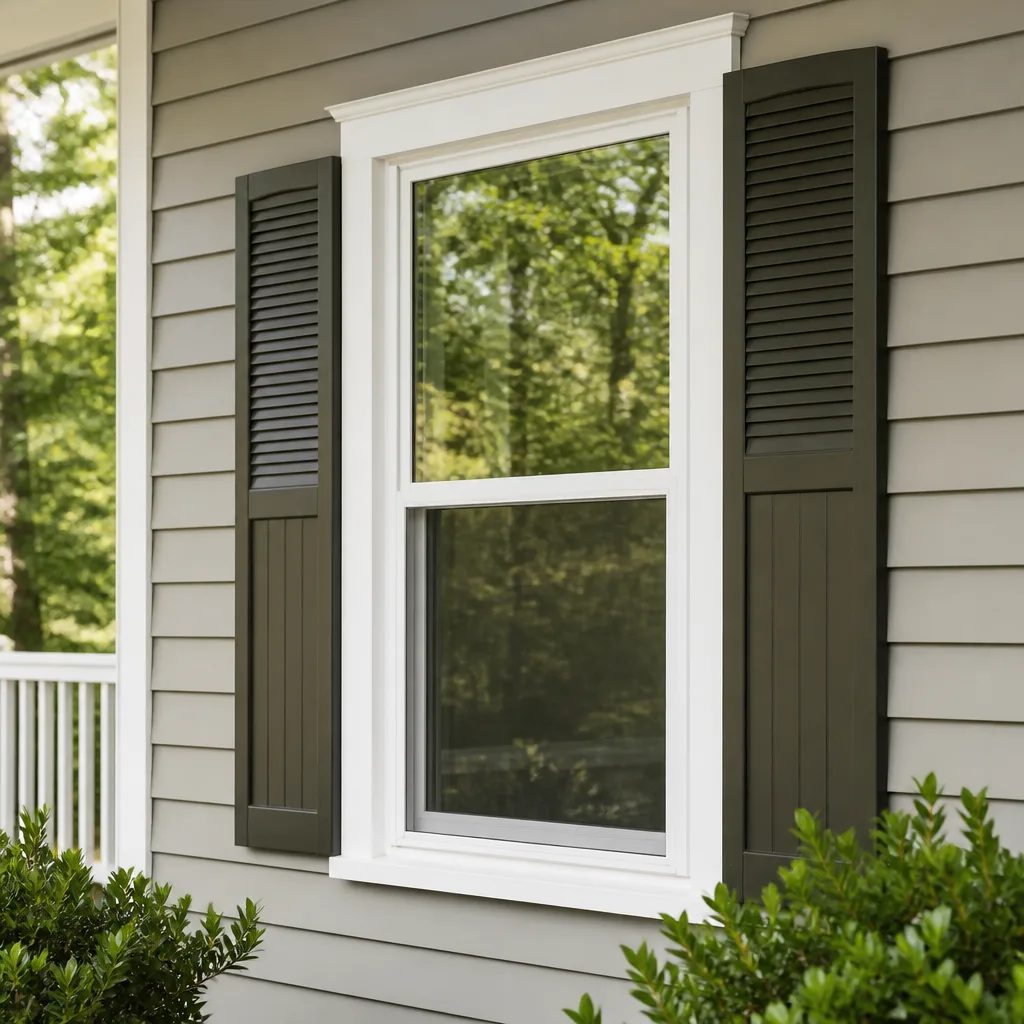 Single hung
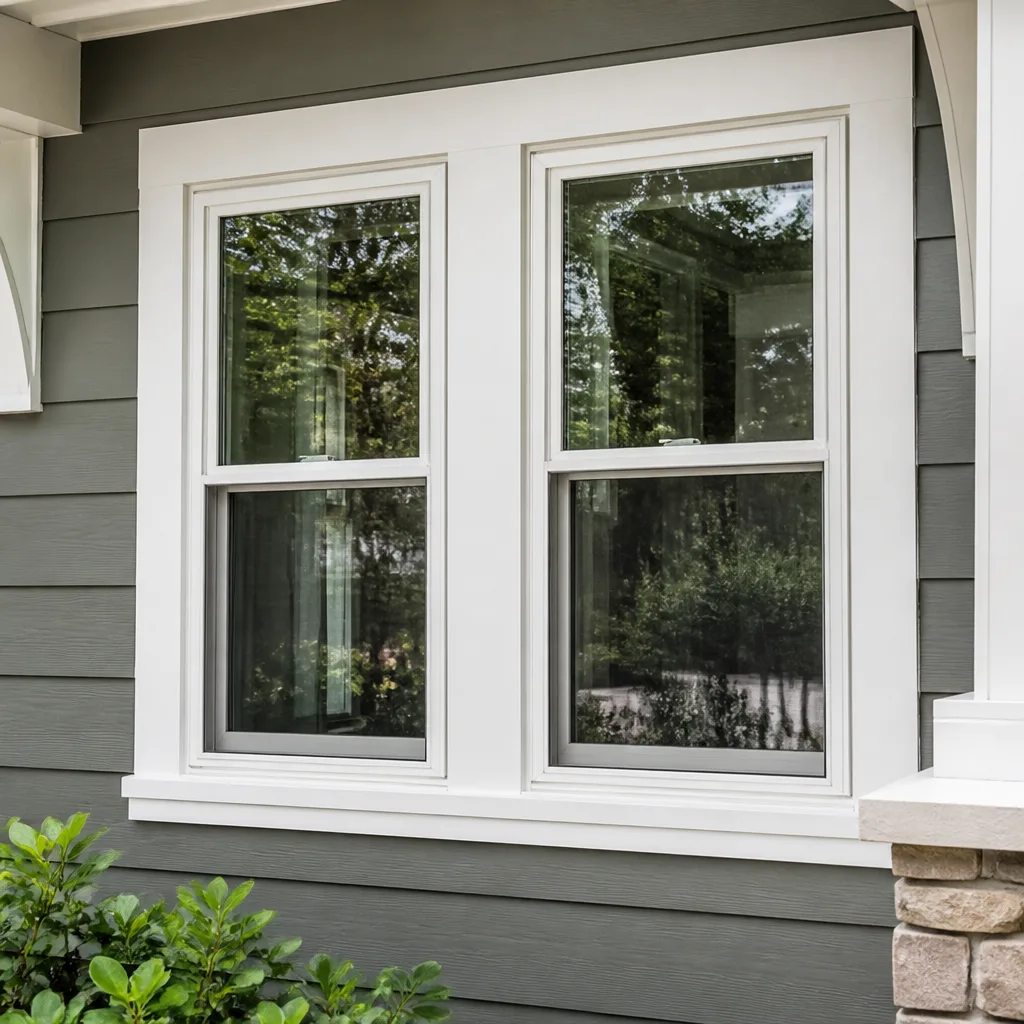 Double hung
 Horizontal roller
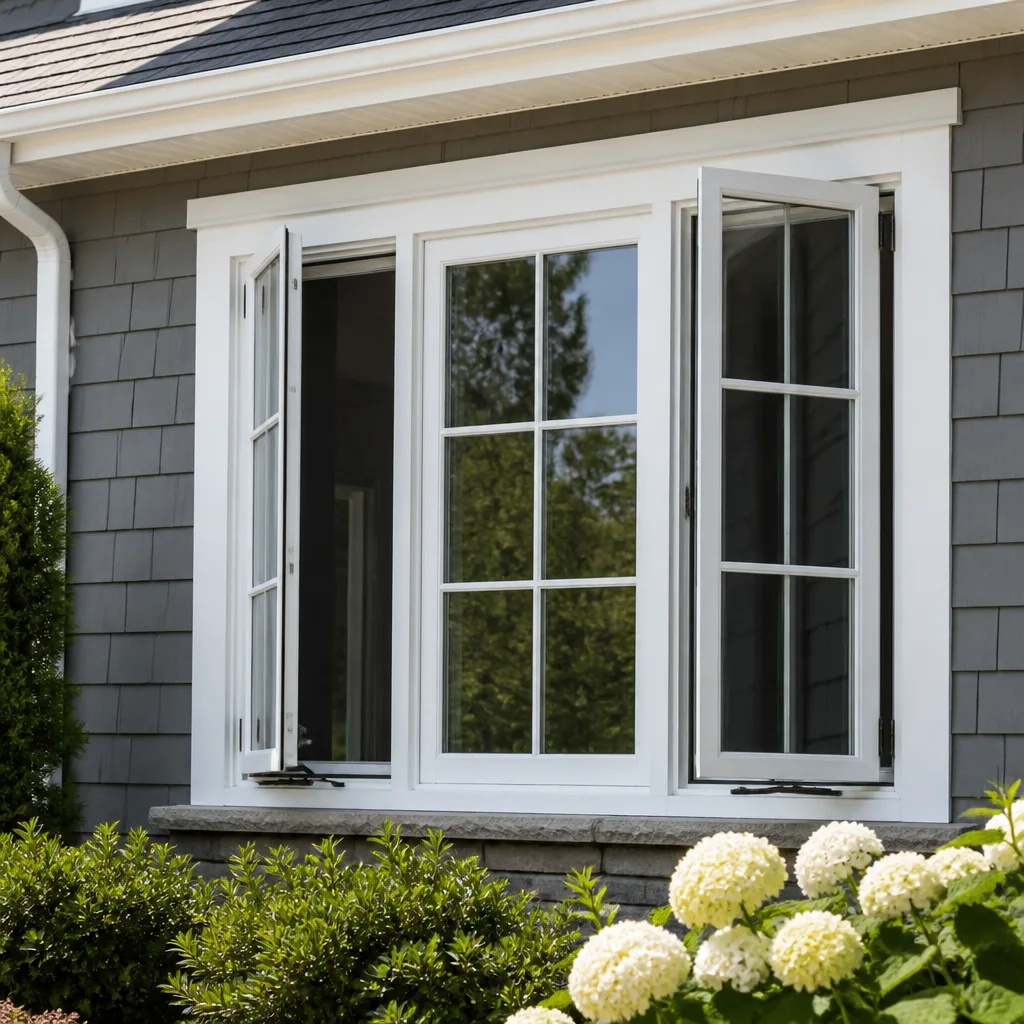 Casement
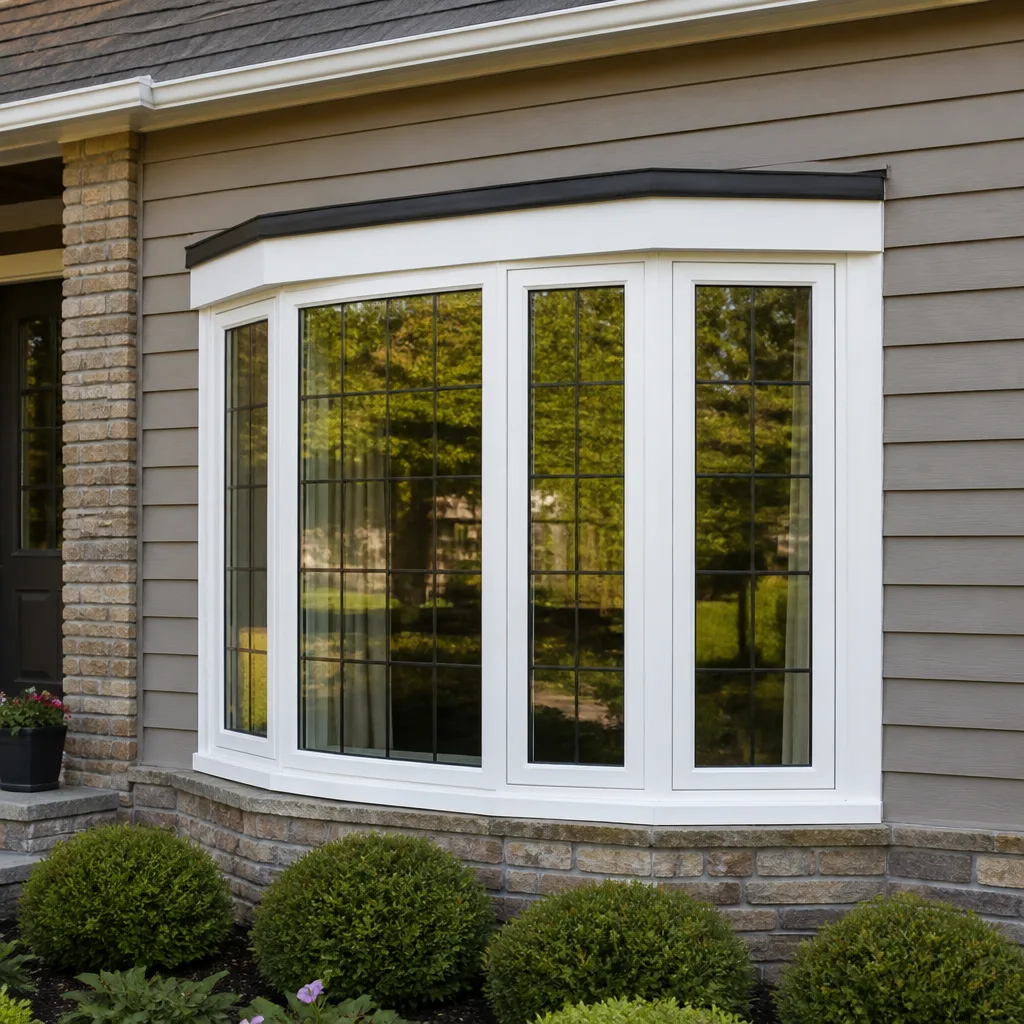 Bay & bow
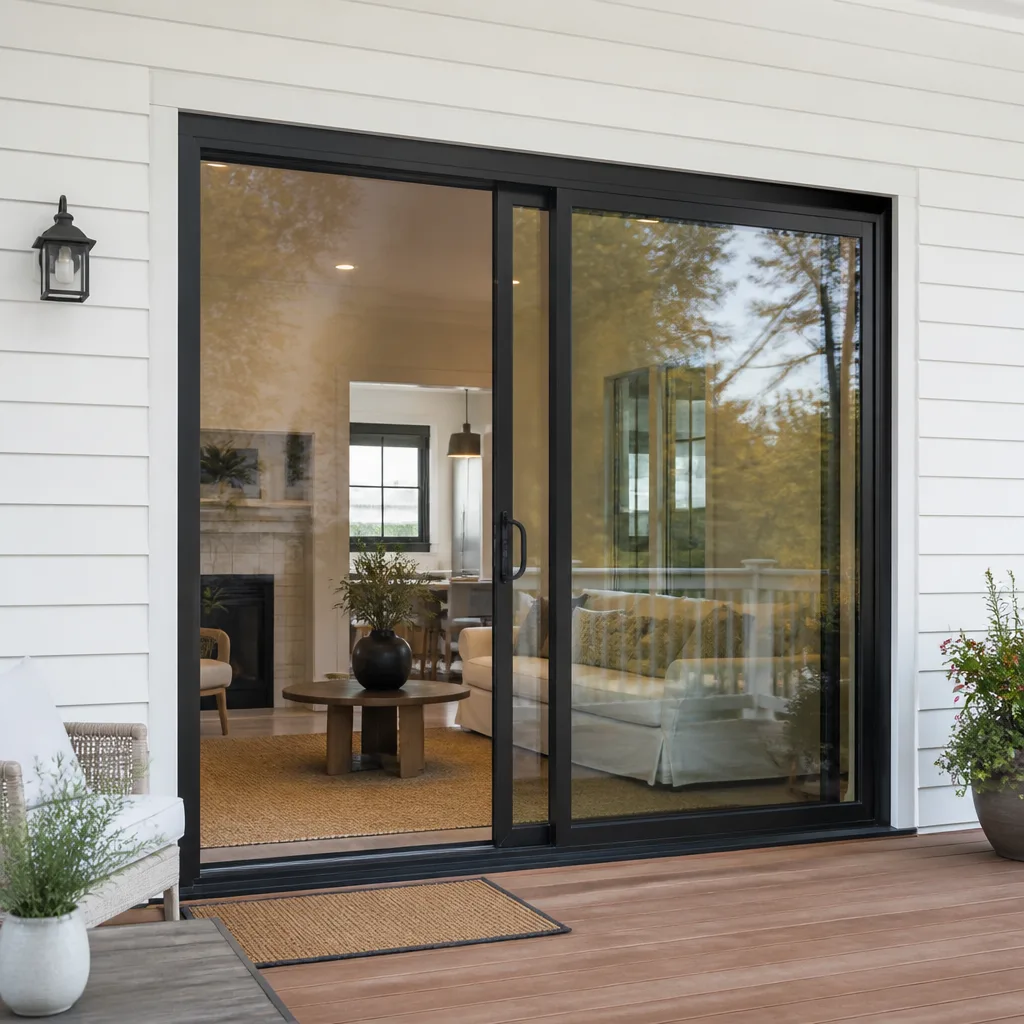 Sliding glass doors
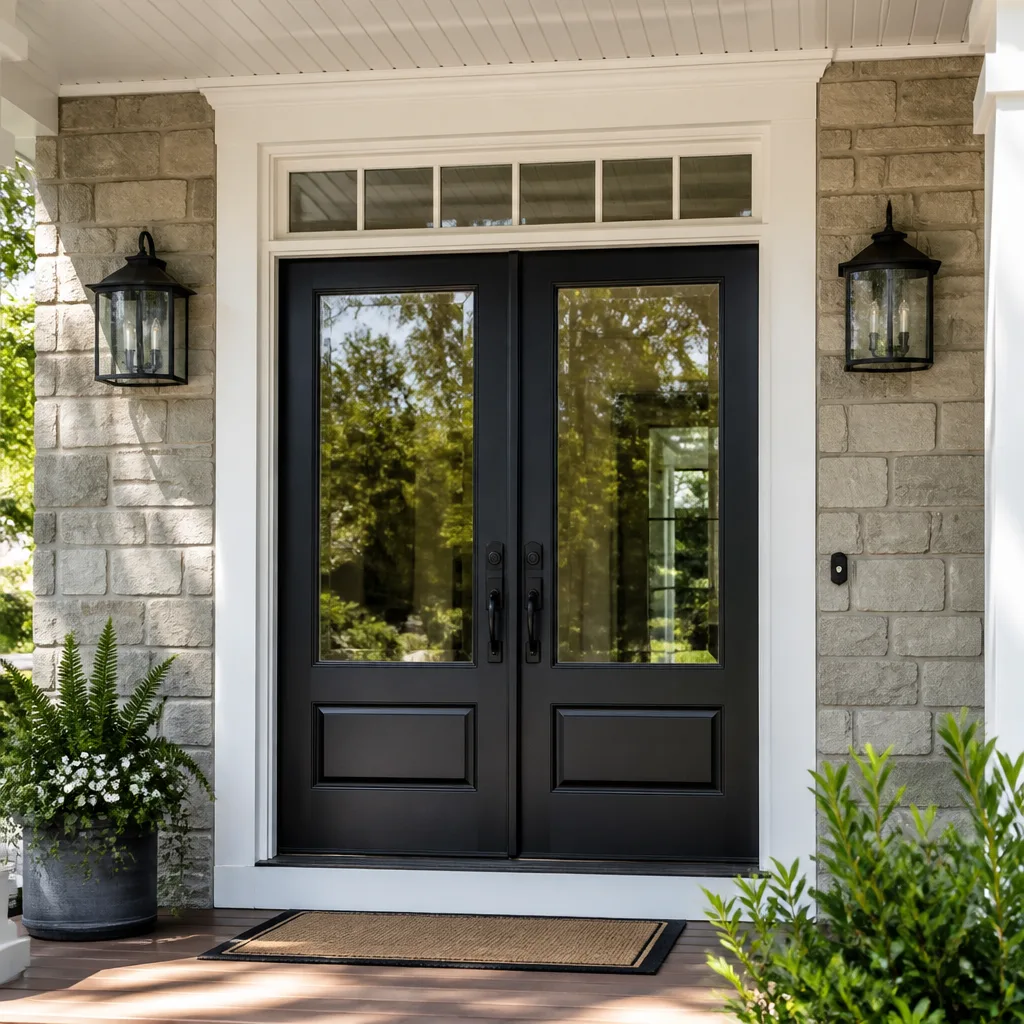 Entry doors
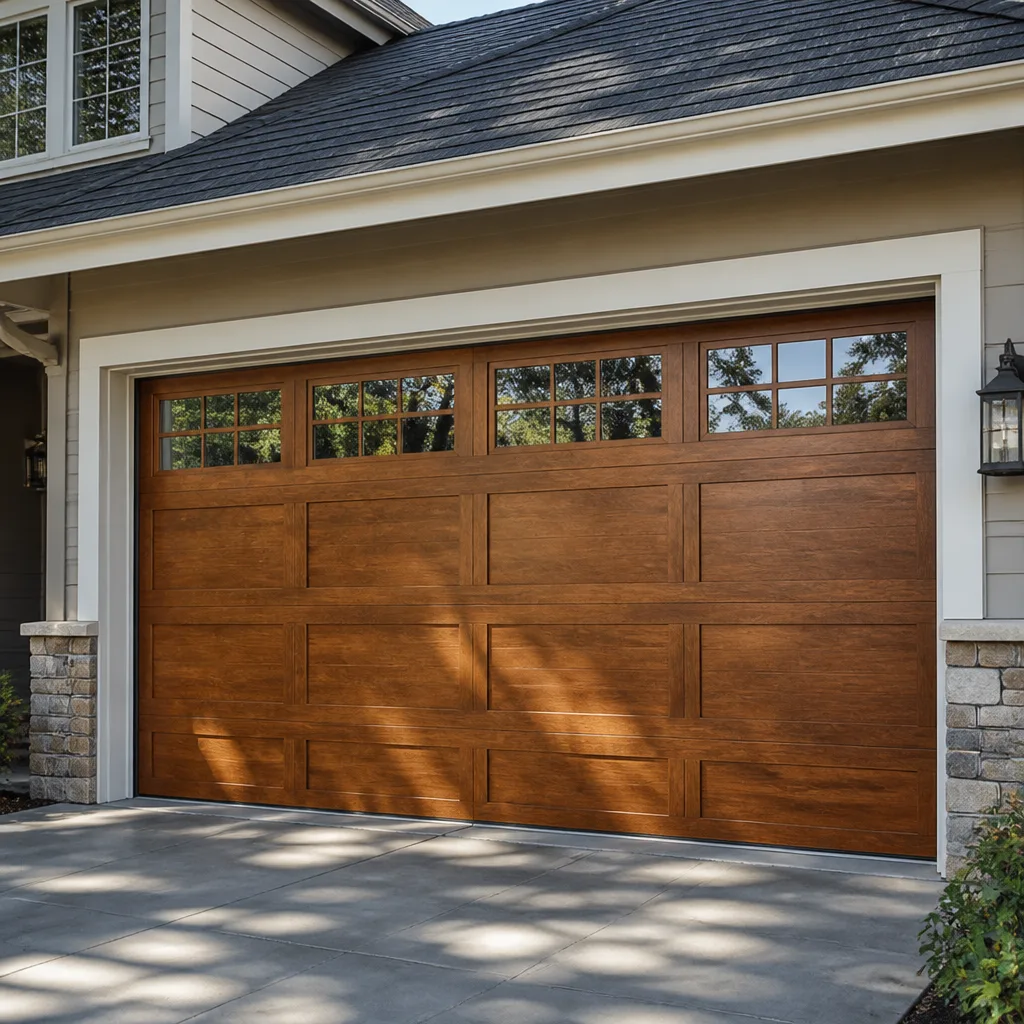 Impact garage doors
 PGT
PGT CGI
CGIFree in-home measure and quote - PGT, CGI and CWS impact lines compared on your actual openings, style by style
Get your free estimateWindow Replacement Maintenance Checklist for Fort Worth Homeowners
Here’s a number most Fort Worth homeowners have never heard: a west-facing window frame on a brick home can move through a 90-degree temperature swing in a single spring afternoon. That expansion and contraction cycle is the mechanism that eventually opens the joint between the window frame and the brick mold, and it’s rarely the joint anyone checks. This guide is a working maintenance checklist for Fort Worth homes, organized by elevation and room, so you know which windows need attention first, what a failing joint actually looks like, and what a real repair costs before it becomes a full window replacement.
Styles & brands we work with
Quick Answer
A Fort Worth window maintenance routine should prioritize west-facing windows in spring, weep holes after every hailstorm, and caulk joints before the first freeze. Most small repairs, like re-caulking a single window or clearing blocked weep holes, cost between $80 and $250 per opening when caught early. For a detailed look at current pricing, see our Windows & Doors Cost Breakdown: The Fort Worth Homeowner’s Reference for 2026.
Table of Contents
- Elevation Priority: Why West-Facing Windows Fail First in Fort Worth
- Weep Holes After a Hailstorm: The Drainage Problem That Looks Like a Gutter Issue
- The Caulk Joint Checklist: Which Joints Open First and What Repair Costs
- Hardware Lubrication for Casement Operators and Sliding Door Tracks in High-Heat, High-Dust Conditions
- How to Test Low-E Coating Integrity at Home with a Lighter Flame
- When Maintenance Voids a Manufacturer Warranty and Which Brands Hold Coverage Longest
- Room-by-Room Inspection Order for Fort Worth Homes
- Common Mistakes to Avoid
- When to Call a Professional
- Frequently Asked Questions
- The Bottom Line
Elevation Priority: Why West-Facing Windows Fail First in Fort Worth
We’ve walked enough Fort Worth neighborhoods, from Ryan Place to Tanglewood to the newer builds north of Loop 820, to see the same pattern repeat: the first window to show seal failure, caulk separation, or frame warping is almost always on the west elevation. There’s a reason for that, and it’s specific to how Fort Worth weather works. The prevailing wind during storm season comes out of the south, which means the west side of your home takes direct afternoon sun and then, in many storms, a wind-driven rain hit that follows the same path the sun heated the frame all day.
That sequence, heat-soak followed by sudden cooling and moisture, is what opens the gap between the window frame and the brick mold. A window that’s hot from six hours of direct sun can drop 40 degrees in ten minutes when a spring storm rolls through. The frame contracts, the brick doesn’t, and the caulk joint takes the strain. After enough cycles, the caulk loses adhesion on one side, and that’s the exact spot where water starts getting behind the frame.
Here’s the inspection order we recommend for Fort Worth homes, based on elevation and exposure:
- West elevation, every window: Check the top caulk joint at the brick mold first. This is the highest-stress joint on the house. Look for a hairline separation that runs parallel to the frame, not perpendicular.
- South elevation, all windows: The prevailing south wind drives rain against these windows during spring storms, even when the sun isn’t a factor. Check the bottom corners of the frame where wind-driven rain pools.
- East elevation, bedroom windows only: East windows get morning sun and then shade, which means less thermal stress but more overnight condensation. Check the interior sill for water staining.
- North elevation, last priority: These windows see the least sun and the least wind-driven rain. They’ll typically hold up longest, but check them once a year anyway because a north-facing window with a failed seal will fog in a way south-facing windows rarely do.
If you live in a neighborhood with mature trees, like Arlington Heights or Berkeley Place, add one more check: any window shaded by a large live oak or pecan tree needs a weep hole inspection twice a year, because leaf litter and acorn debris accumulate in window tracks and block drainage faster than anywhere else in Fort Worth.
Weep Holes After a Hailstorm: The Drainage Problem That Looks Like a Gutter Issue
Every vinyl and aluminum window frame has small drainage openings along the bottom edge of the exterior frame. They’re called weep holes, and they exist to let water that gets past the sash drain back outside instead of pooling inside the frame and leaking into the wall. In Fort Worth, hail is the single biggest threat to weep hole function, and here’s what most homeowners miss: the damage doesn’t look like a window problem. It looks like a gutter problem.
After a hailstorm, hail stones shatter leaf debris, twigs, and roof granules into fine grit. That grit washes down the roof, into the gutters, and down the exterior wall. It ends up packed into the weep holes at the bottom of window frames. The homeowner sees water overflowing the gutters during the next rain and assumes the gutters are clogged. They clean the gutters, the problem persists, and the real issue, blocked weep holes, goes unaddressed for months or years.
Here’s what to do after every hailstorm in Fort Worth:
- Walk the exterior of your home and look at the bottom edge of every vinyl or aluminum window frame.
- Find the weep holes. They’re small rectangular or oval openings, usually two or three per window, spaced along the bottom exterior edge of the frame.
- Shine a flashlight into each weep hole. If you can’t see daylight through the opening, it’s blocked.
- Use a small, stiff brush, like a grout brush or an old toothbrush, to clear the debris. Do not use a screwdriver or anything metal, because you’ll scratch the frame and create a new point for water to collect.
- Pour a small amount of water into the window track from outside, not inside. If the water drains out the weep holes within a few seconds, the drainage path is clear.
One warning from our work on homes across Fort Worth: if weep holes have been blocked for more than a full season, you may already have water damage inside the wall cavity that you can’t see from either side. We’ve opened walls in homes near the TCU area and found rot in the sill plate directly below windows where weep holes had been blocked by hail debris for less than a year. If you see peeling paint or soft drywall below a window on the interior, that’s not a cosmetic issue. That’s a drainage failure that’s already reached the framing.
The Caulk Joint Checklist: Which Joints Open First and What Repair Costs
Not all caulk joints fail equally. Most maintenance checklists say “inspect caulk annually,” which is about as useful as saying “check your car.” This section names the specific joints that fail first on Fort Worth homes, what the failure looks like before it’s obvious, and what a proper repair costs.
The brick mold joint is the seam between the window frame and the brick or siding that surrounds the opening. On brick homes, which make up a large share of Fort Worth housing stock, this joint takes the full brunt of thermal expansion because brick and vinyl expand at completely different rates. Watch for caulk that’s pulled away from the brick but still attached to the frame, a condition called one-sided adhesion failure. That’s the earliest stage, and it’s the cheapest to fix. A single window re-caulked at this stage typically costs $80 to $150 in Fort Worth.
The sill-to-frame joint fails next, particularly on south-facing windows. Look for caulk that’s darkened at the corners, which tells you water has been sitting in that joint. Darkened caulk that hasn’t cracked yet is still salvageable. Once it cracks, water is getting behind the frame, and the repair cost moves from a caulk job to a potential frame pull.
The interior drywall-to-frame joint is the one most homeowners never think to check. Walk the interior of your home and look at the caulk or paint line where the window frame meets the drywall. On a window that’s been leaking slowly, you’ll see a hairline crack in the paint or caulk that follows the top corner of the frame. This is the interior symptom of an exterior drainage problem, and by the time you see it, the leak has been active for at least a season.
A full exterior re-caulk of every window on a typical Fort Worth home runs $600 to $1,100 depending on the number of openings and whether the old caulk needs to be removed mechanically. That’s a fraction of what a single window replacement costs, which makes exterior caulk maintenance the highest-return maintenance task on this list. For more on permits and compliance, see our guide to Windows & Doors Permits, Codes & Inspections in TX: What You Need to Know.
Hardware Lubrication for Casement Operators and Sliding Door Tracks in High-Heat, High-Dust Conditions
Fort Worth summer heat does something specific to window hardware lubricants: it bakes them. The factory grease inside a casement operator or a sliding patio door roller dries out, turns gummy, and then attracts dust, which turns the gummy grease into an abrasive paste. That paste grinds against the moving parts every time you open or close the window, and that’s why so many Fort Worth casement windows start to feel stiff after their third or fourth summer.
The fix is a lubrication schedule that accounts for our climate. Here’s the schedule we recommend, and we’re naming specific products because generic advice to “lubricate your windows” isn’t actionable:
- Casement operators, spring and fall: Use a dry PTFE spray lubricant, not a wet oil like WD-40. Wet oils attract dust in Fort Worth’s dry, windy conditions and make the problem worse within a month. Spray the gear mechanism, crank it through three full open-close cycles, and wipe away any excess with a clean cloth.
- Sliding patio door tracks, every three months during high-dust season: Fort Worth’s spring winds carry fine dust that settles into door tracks. Vacuum the track with a crevice tool, then apply a silicone-based lubricant to the track, not the rollers. Lubricating the rollers requires removing the door from the track, which is a two-person job on most doors and not something we recommend doing alone.
- Tilt-latch mechanisms on double-hung windows, twice a year: These are the small plastic latches at the top of the lower sash. They collect dust and stop releasing cleanly. A quick shot of dry PTFE on each latch keeps them working through the summer.
If you notice a sliding door that makes a grinding sound instead of a smooth glide, stop using the door and inspect the track. A door that’s grinding has already lost roller function, and continued use will score the track, at which point the repair moves from a $40 roller replacement to a several-hundred-dollar track repair. We’ve seen this exact progression in Door Installation in Fort Worth work where homeowners kept using a grinding door for six months before calling.
How to Test Low-E Coating Integrity at Home with a Lighter Flame
Low-E coatings are microscopic metallic layers applied to window glass that reflect heat. In Fort Worth, where summer cooling costs dominate the utility bill, a functioning low-E coating is the difference between a window that rejects heat and one that lets it pour into the house. The problem is that low-E coatings degrade invisibly. You can’t see a failed coating the way you can see a fogged seal.
There’s a simple at-home test that works on most low-E windows, and it requires nothing more than a lighter or a match. Here’s how to do it:
- Wait until after dark, because daylight will wash out the effect you’re looking for.
- Stand inside the room, facing the window, and hold a lit lighter or match about six inches from the glass.
- Look at the flame’s reflection in the glass. You’ll see multiple reflections, because double-pane windows reflect off each glass surface. A normal glass pane shows four reflections of the flame, all roughly the same color.
- Look at the reflection that appears sharpest and most defined. On a window with a functioning low-E coating, one of those reflections will have a different tint, usually a slightly purple, blue, or green cast compared to the others. That’s the low-E layer reflecting different wavelengths of light than plain glass.
- If all four reflections are identical in color, with no tint variation, the low-E coating has likely degraded or was never present on that pane.
This test doesn’t replace a professional assessment, and it won’t work on every glass package, but it’s a reliable first check for homeowners who suspect their windows aren’t performing. A window that fails this test isn’t necessarily a safety issue or a leak risk, but it’s costing you money every summer month. A professional energy assessment can tell you whether the savings from replacement justify the cost, which in Fort Worth runs Window Replacement in Fort Worth between $550 and $1,300 per opening depending on glass package.
When Maintenance Voids a Manufacturer Warranty and Which Brands Hold Coverage Longest
This is the section most maintenance guides skip entirely, and it’s one where homeowners lose real money. Every window manufacturer publishes a warranty document that lists specific maintenance requirements and specific actions that void coverage. Doing the wrong maintenance is worse than doing none at all.
Here’s what actually voids warranty coverage on most window brands:
- Using abrasive cleaners on vinyl frames: Any cleaner containing bleach, acetone, or ammonia will etch the vinyl surface. Most manufacturers explicitly exclude damage from chemical cleaners. Use warm water with a mild dish soap, and nothing stronger.
- Painting vinyl frames: This is the big one. Vinyl window frames are designed to be maintenance-free, and painting them voids the warranty on the frame on virtually every brand we carry. If you want a different color, the frame needs to be ordered in that color from the factory.
- Removing or modifying the weep hole covers: Some homeowners, frustrated by debris in the weep holes, remove the small cover flaps. The covers are there to prevent debris entry while allowing drainage, and removing them voids the frame warranty on most brands.
- Drilling holes in the frame or sash for aftermarket hardware: This includes security pins, window locks, or sensors. Any penetration of the frame that isn’t part of the original manufacturing spec typically voids coverage.
On the question of which brands hold coverage longest after you perform proper maintenance, here’s what we know from the brands we install in Fort Worth. ViewLux and PGT both publish warranty terms that extend to 20 years or beyond on certain product lines when maintenance records are kept. CGI and CWS both maintain coverage through a broader range of post-maintenance scenarios than many competitors, particularly for coastal-grade and impact-rated products. The key takeaway for Fort Worth homeowners is this: keep a simple log of what you did and when. A spreadsheet with dates and a few photos is enough to protect a warranty claim if something fails down the line.
If you’re working with windows installed by a previous owner and you don’t know the brand, check the spacer bar between the two panes of glass. Most manufacturers etch their name into the spacer, visible from inside the home. That’s the first step in figuring out what warranty you’re working with.
Room-by-Room Inspection Order for Fort Worth Homes
Here’s a complete inspection order you can follow in a single afternoon. It moves through the house room by room, checking the right things in each space, and it’s organized so you’ll catch problems in the order they’re most likely to appear.
Bedrooms, all elevations: Start here because bedrooms are where seal failures show up first. A bedroom that’s occupied overnight builds up interior humidity, and on a cold morning that humidity condenses on the inside of any window with a compromised seal. Check the bottom corners of every bedroom window for condensation between the panes, which is the definitive sign of seal failure. Also check the interior sill for water staining or paint bubbling, because a slow exterior leak shows up on the sill before it shows on the wall.
Kitchen, above the sink: This is the highest-humidity room in the house, and the window above the sink takes direct moisture exposure from cooking and dishwashing. Check the interior caulk line where the frame meets the tile or drywall. In Fort Worth homes with older windows, this is the most common spot for interior caulk failure, and it’s also the window most likely to have a crank mechanism that’s stiff from repeated use.
Living room and large picture windows: These are the most expensive windows to replace, because they’re usually the largest. Check the exterior brick mold joint at the top of every picture window. A picture window doesn’t open, which means it’s more rigid, which means the frame takes more thermal stress than an operable window of similar size. Hairline cracks in the caulk at the top of a picture window are a warning sign worth addressing immediately.
Bathrooms, all floors: Bathroom windows live in two environments at once. The interior is humid from shower steam, and the exterior is exposed to normal Fort Worth weather. Any caulk failure here leaks humid interior air into the wall cavity, which creates condensation inside the wall. That’s worse than an exterior leak because the moisture gets trapped. Check the interior caulk around every bathroom window, and also check for any window that feels loose in its frame when you press on the glass.
Garage and utility areas: These windows get neglected because nobody spends time in the garage. A broken seal or failed caulk on a garage window will go unnoticed until the drywall below it starts to sag. Check garage windows once a year, and prioritize them if your garage is on the west side of the home.
A full inspection of every window in a typical Fort Worth home takes about two hours the first time you do it. After that, each season’s check goes faster because you know what you’re looking for and where.
Common Mistakes to Avoid
- Checking caulk from the ground. A caulk joint that looks intact from six feet away may have a one-sided adhesion failure you can only see up close. Use a ladder, and bring a flashlight. We’ve found failing joints on second-story windows that looked fine from the lawn, and those are the repairs that become expensive.
- Cleaning weep holes with compressed air. Blowing compressed air into a weep hole drives the debris deeper into the frame instead of clearing it out. Use a small brush and gravity, not pressure.
- Using WD-40 on casement operators. Wet oils attract dust in Fort Worth’s dry, windy conditions, and the mechanism will be worse in a month. Use a dry PTFE lubricant, and wipe the excess.
- Ignoring the interior side of the window. Interior caulk failure lets humid interior air into the wall cavity, which causes condensation and rot hidden inside the wall. Half of the window maintenance problems we find on Fort Worth homes are interior issues that were never checked.
- Painting vinyl frames to match a new color scheme. This voids the frame warranty on virtually every vinyl window brand on the market. If the color is wrong, the right move is factory-finished replacement, not a paint job.
- Assuming a fogged window is purely cosmetic. A fogged window is evidence of seal failure, and a failed seal means the insulating gas has escaped. That window is now performing at a fraction of its rated efficiency, and it may also be letting moisture into the frame. We’ve opened enough walls with water damage behind fogged windows in Fort Worth to know it’s not just an appearance issue.
When to Call a Professional
Some maintenance tasks are safe and reasonable for a homeowner with a ladder and a flashlight. Some are not. If you find interior water staining below a window, soft drywall, or paint that’s peeling in a pattern that suggests moisture, call a professional before the problem spreads into the framing. If you find a window that’s visibly out of square, meaning it no longer sits flat in its opening, or a frame that’s soft when pressed with a finger, those are structural issues that require a professional assessment. And if you’ve cleared weep holes, re-caulked, and still see water entering during storms, the problem may be inside the wall cavity where it can’t be diagnosed from either side. Window Installation in Fort Worth done properly addresses these failures at the source, and the diagnosis is the first step. Lightwell Windows Fort Worth offers free estimates in Fort Worth. Call (682) 900-6694, and we’ll walk the home with you and tell you what we’re seeing, whether or not you hire us for the repair.
Frequently Asked Questions
Inspect west-facing windows twice a year, in spring and fall, and all other windows once a year. Fort Worth’s thermal cycles are hardest on west-facing windows, so they need the most frequent attention. Call (682) 900-6694 if you want a professional assessment, and the estimate is free.
Most individual maintenance tasks cost between $80 and $250 per window. A full exterior re-caulk of every window on a typical home runs $600 to $1,100. Full replacement costs start around $550 per opening, and Lightwell Windows Fort Worth home pricing is always written down before any work starts.
Proper maintenance protects your warranty, but the wrong maintenance voids it. Abrasive cleaners, painting vinyl frames, removing weep hole covers, and drilling into frames are the four most common warranty-voiding actions. We carry ViewLux, PGT, CGI, and CWS products with warranty coverage that extends to 20 years or beyond on certain lines when maintenance is done correctly.
After a hailstorm, check every weep hole on the exterior of your home. Hail shatters debris into fine grit that blocks weep holes and causes frame drainage failure, and the symptoms often look like a gutter problem. Clear the weep holes with a small brush, then test drainage by pouring water into the window track and watching for water to exit through the weep holes.
Use the lighter-flame reflection test at night. Hold a lit lighter six inches from the glass and look at the reflections. A functioning low-E coating produces one reflection with a distinct color tint, usually purple, blue, or green. If all reflections are identical, the coating has likely degraded.
Maintenance is worth it when the window frames are sound and the seals are intact. A few hundred dollars of caulk work and weep hole clearing can extend the life of a window by years. Replacement makes sense when seals have failed, frames are warped, or the windows are at the end of their useful life. A Fort Worth window professional can tell you which situation you’re in during a single visit, and Lightwell’s estimates are free. Explore our more guides & resources for additional homeowner tips.
The Bottom Line
Fort Worth windows fail in a predictable order, and the checklist above follows that order. West-facing windows first, weep holes after every hail event, caulk joints on brick homes, hardware on casements and sliders, and low-E coating integrity as an energy check. The maintenance that matters most is the maintenance done at the right time. A caulk joint caught before it cracks is an $80 repair. The same joint a year later can be a $800 frame repair or a full replacement. That’s the entire point of this checklist: catch the small failures before they become big ones, and call someone who will tell you the truth about which one you’re looking at.
Written by Keith Yamada, Owner at Lightwell Windows Fort Worth, serving Fort Worth since 2010.
See the difference
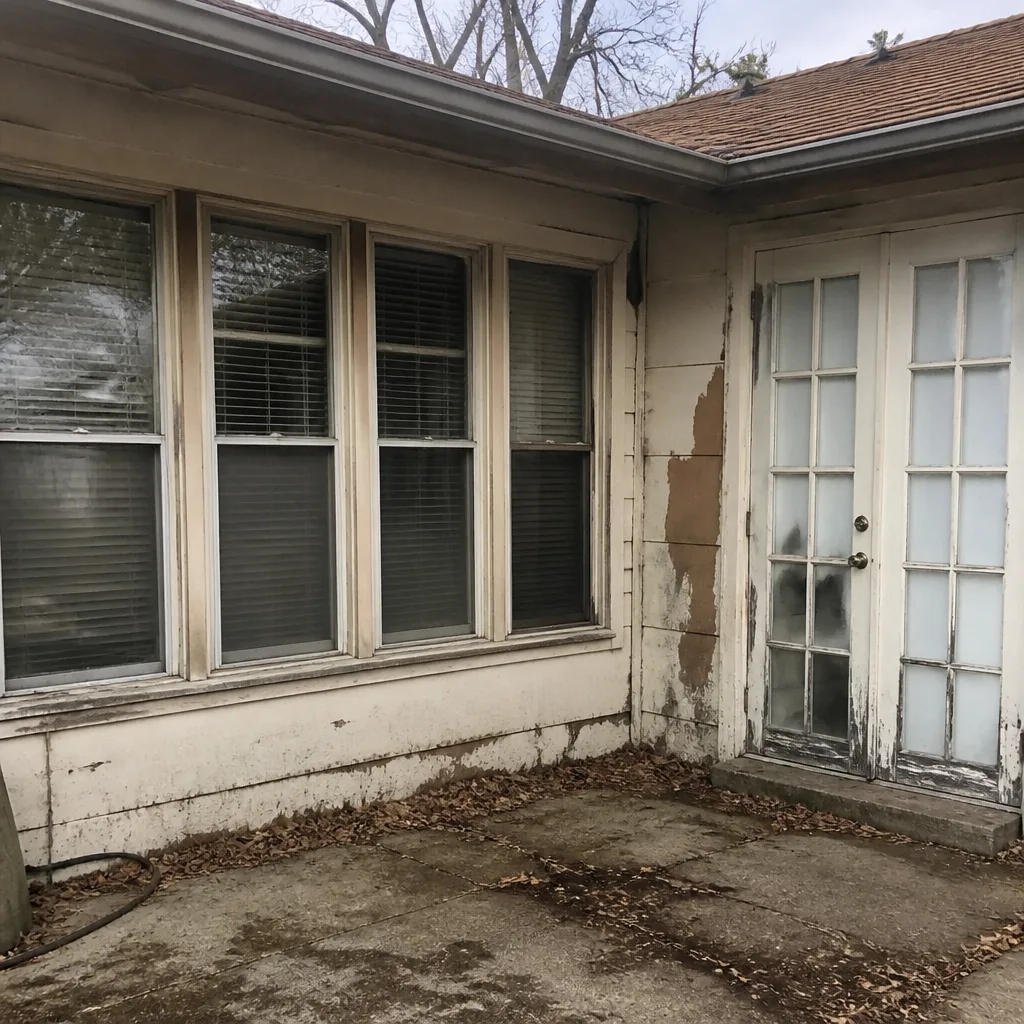 Before
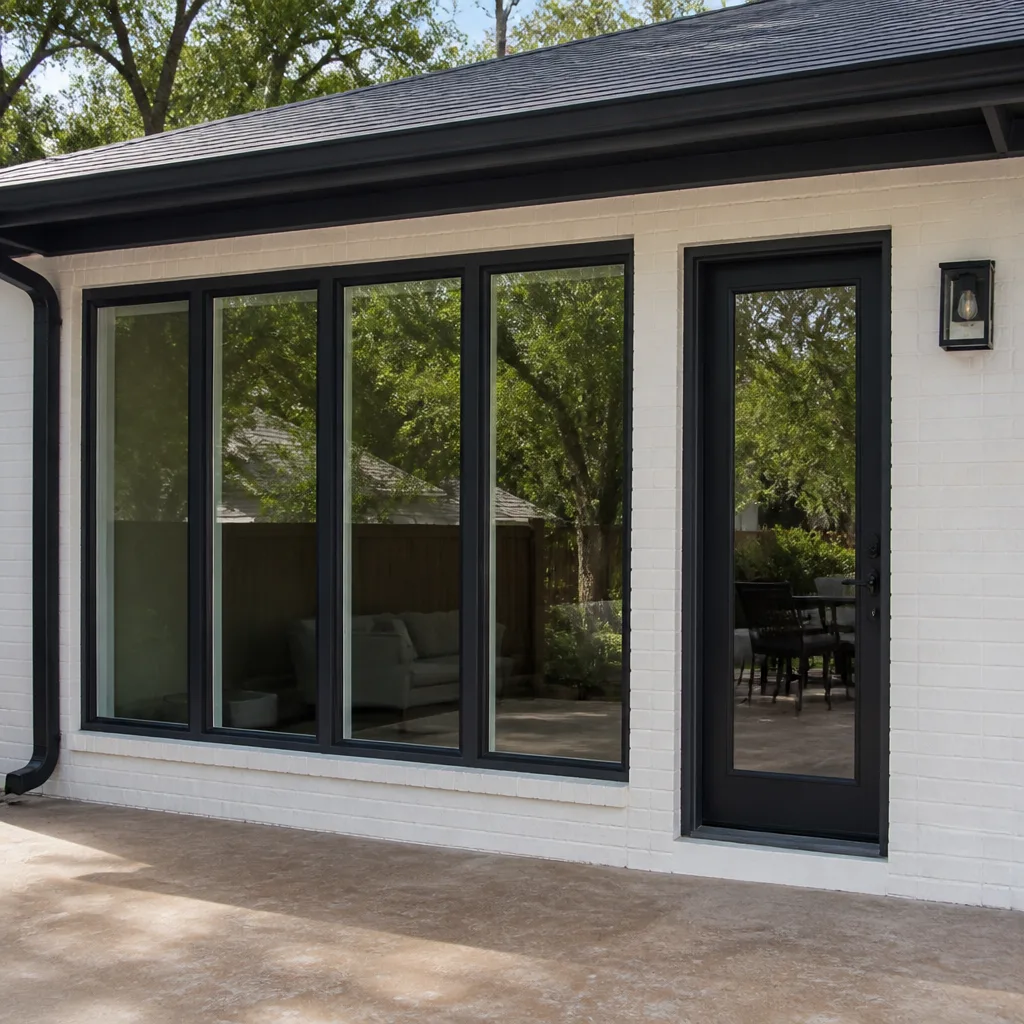 After
After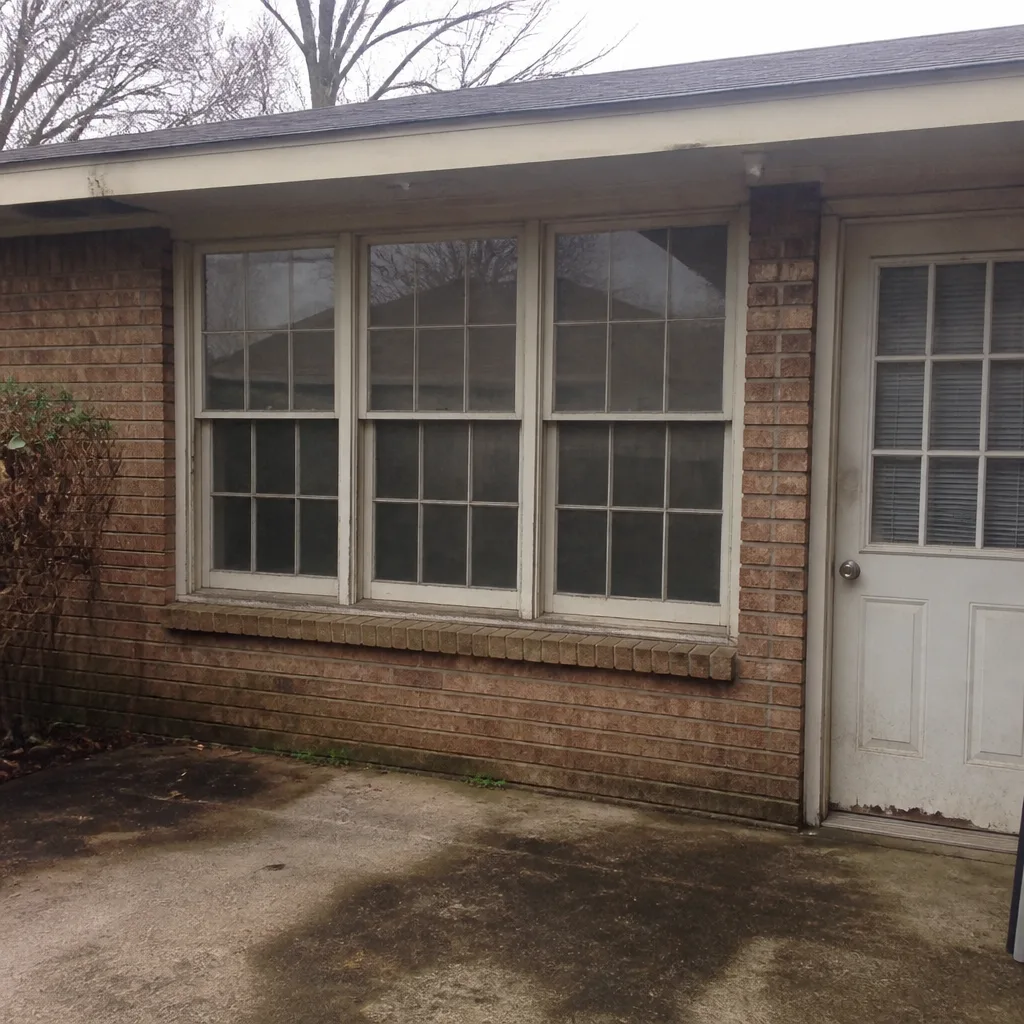 Before
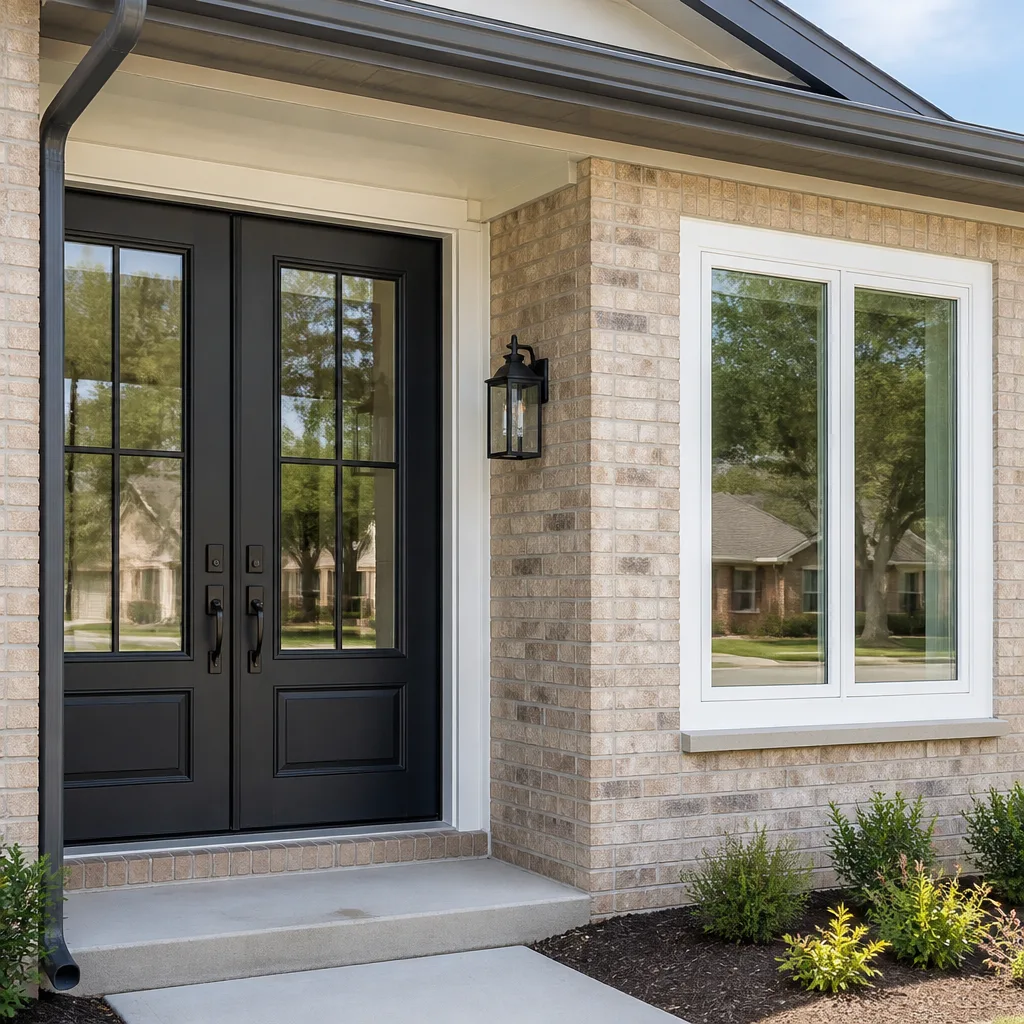 After
AfterSix Reasons Homeowners Choose Lightwell Windows Fort Worth
Laminated glass and reinforced frames hold up to wind-driven rain, hail and flying debris, so your openings stay sealed when the weather turns.
Low-E insulated impact glass from our manufacturer lines commonly cuts monthly cooling bills 20-30%.
Laminated impact glass shuts out up to 40% of outside noise - traffic, neighbors, weather.
Monitoring services run $30-90 a month. Laminated impact glass resists forced entry around the clock, with no subscription.
Tighter seals and insulated glass even out hot and cold rooms and stop the drafts at the frame.
A full impact package upgrades curb appeal, buyer confidence and appraised value in one project.