
Last updated October 17, 2026
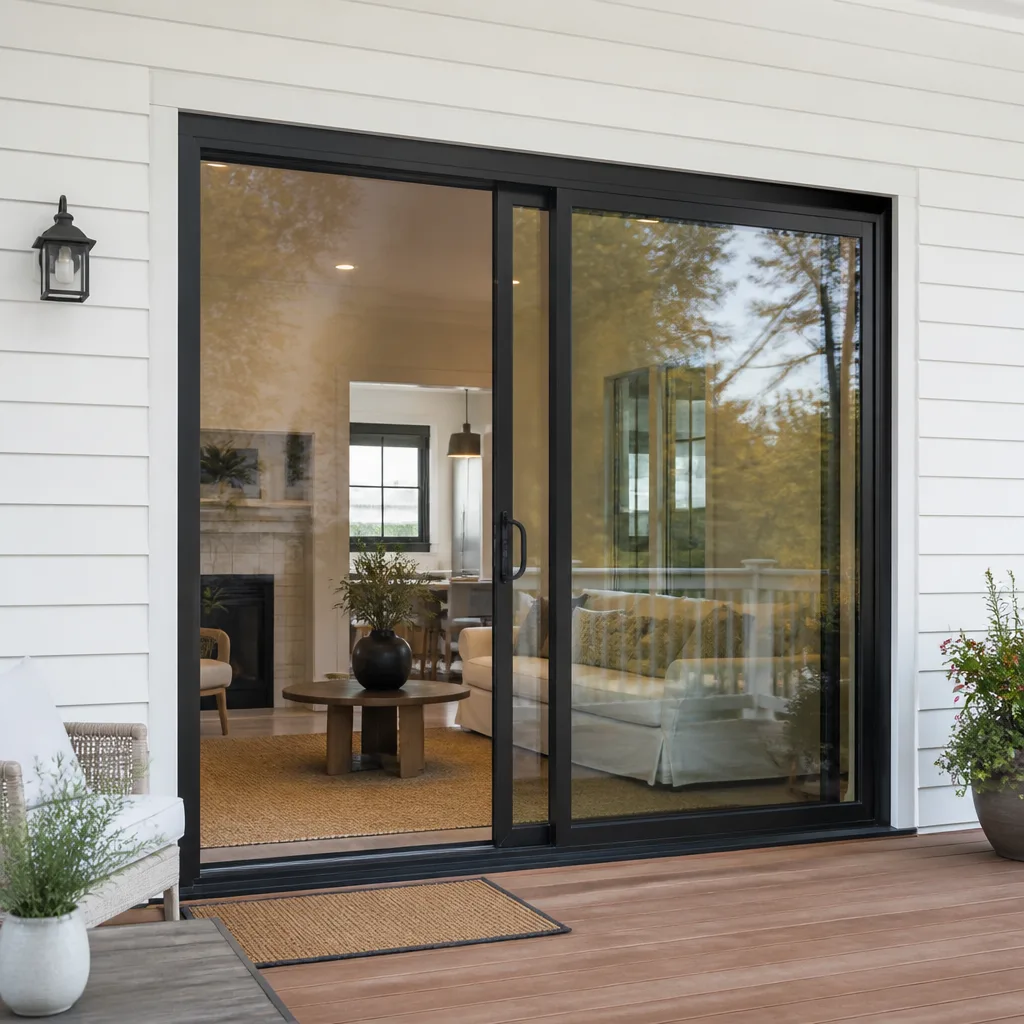 Sliding glass doors
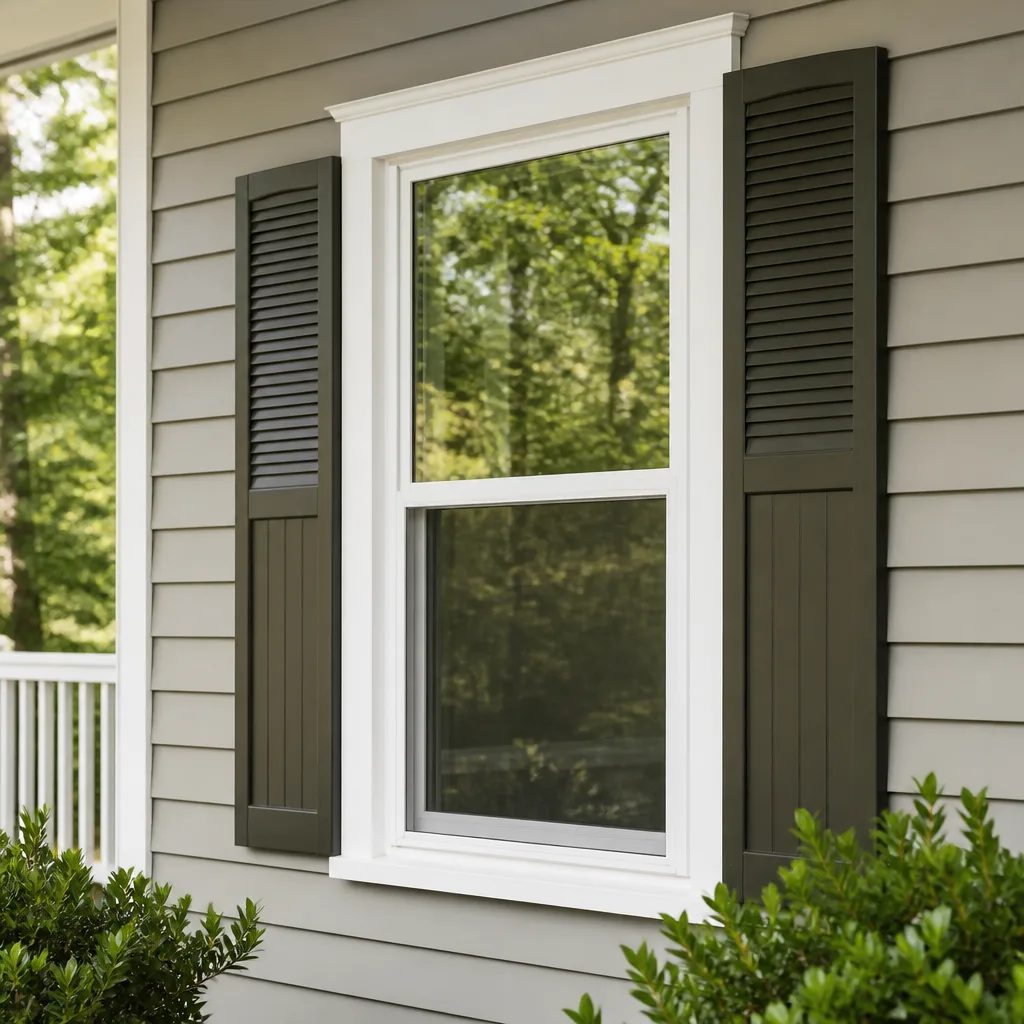 Single hung
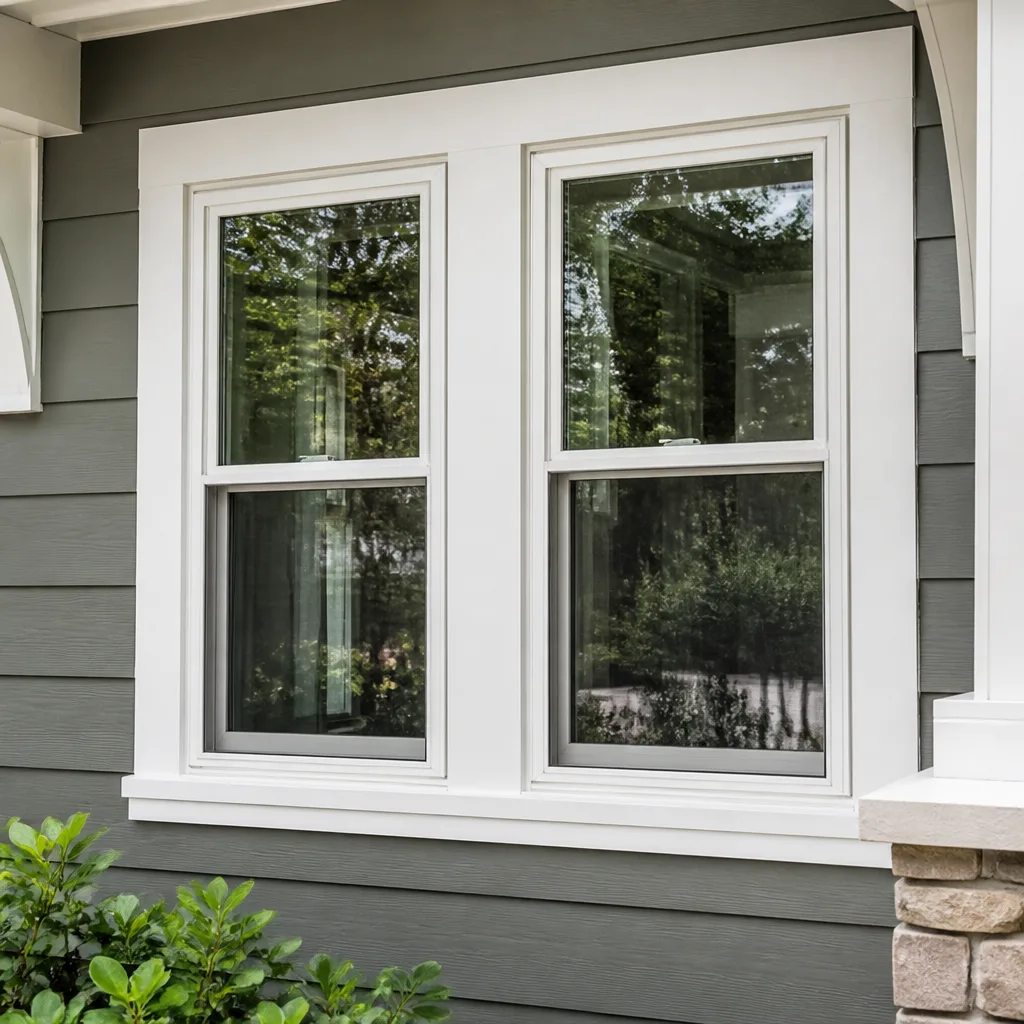 Double hung
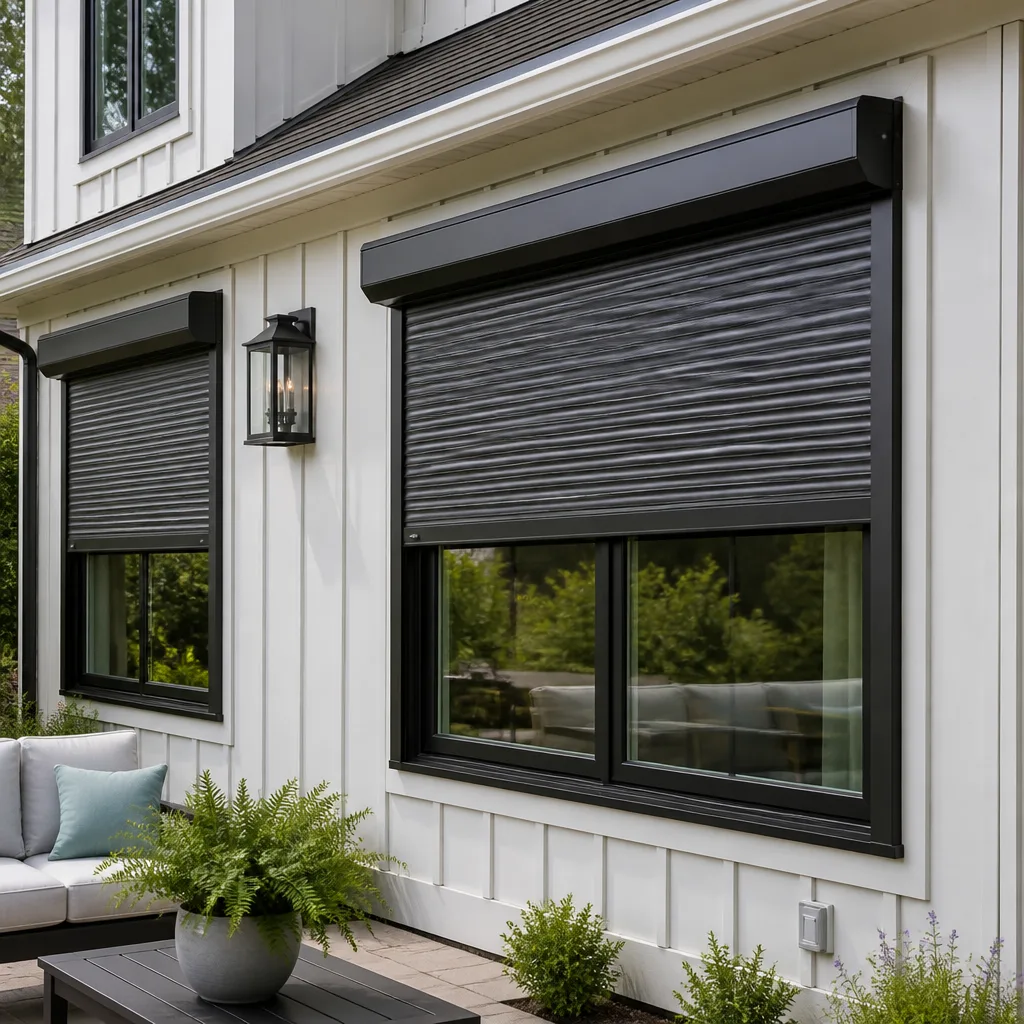 Horizontal roller
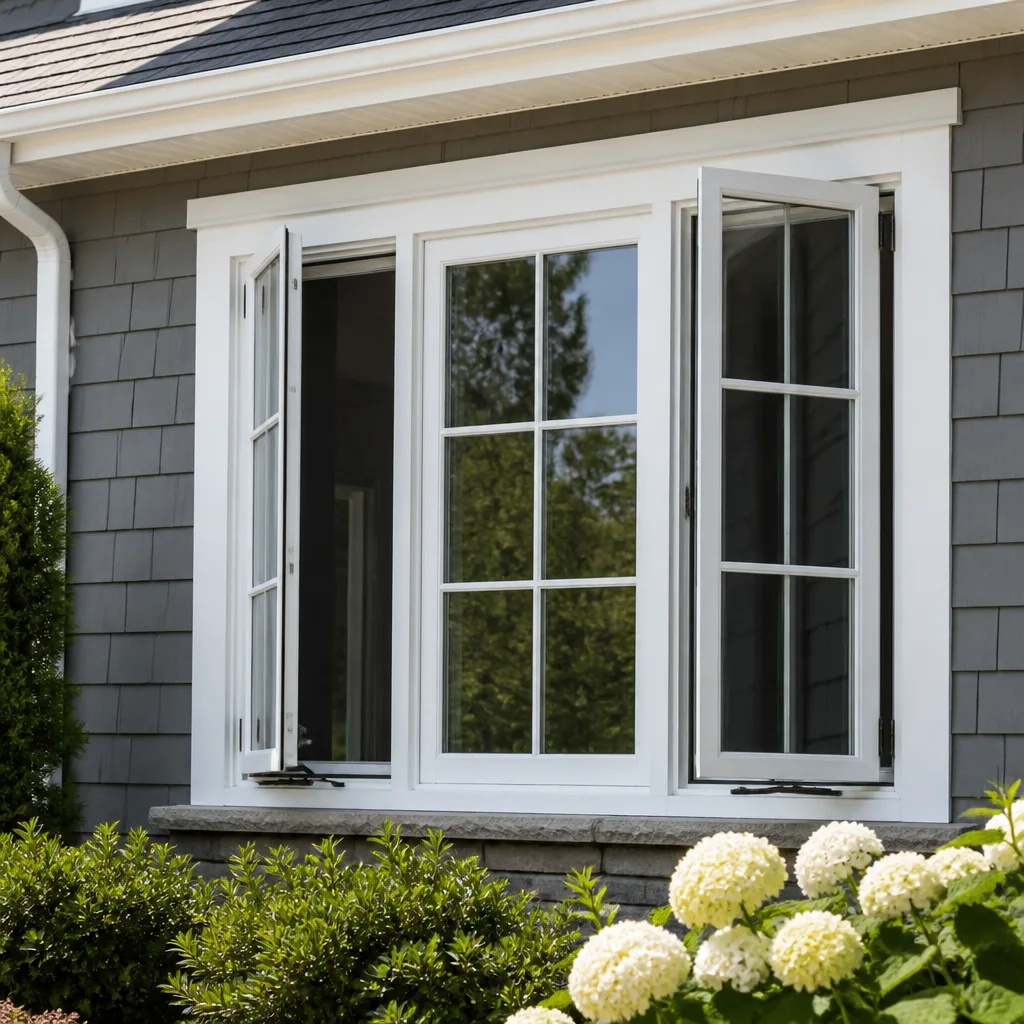 Casement
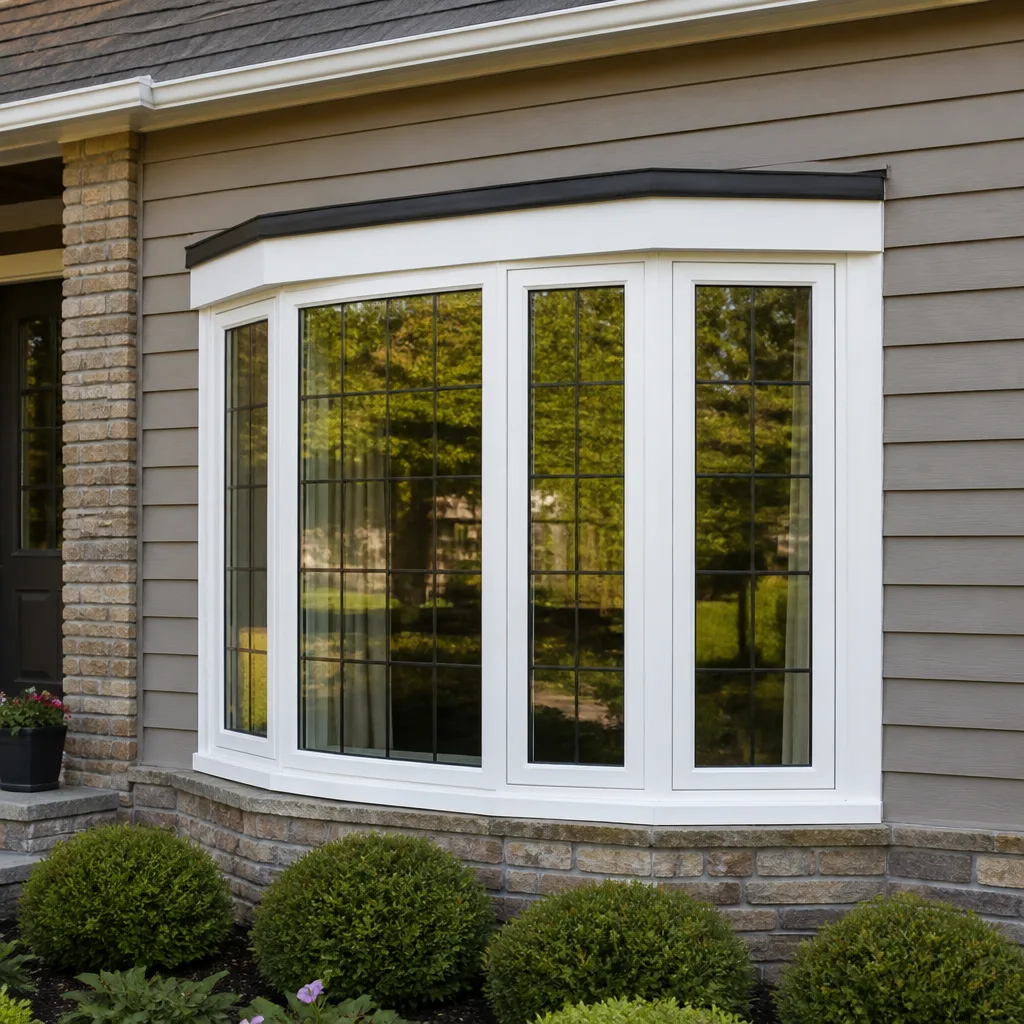 Bay & bow
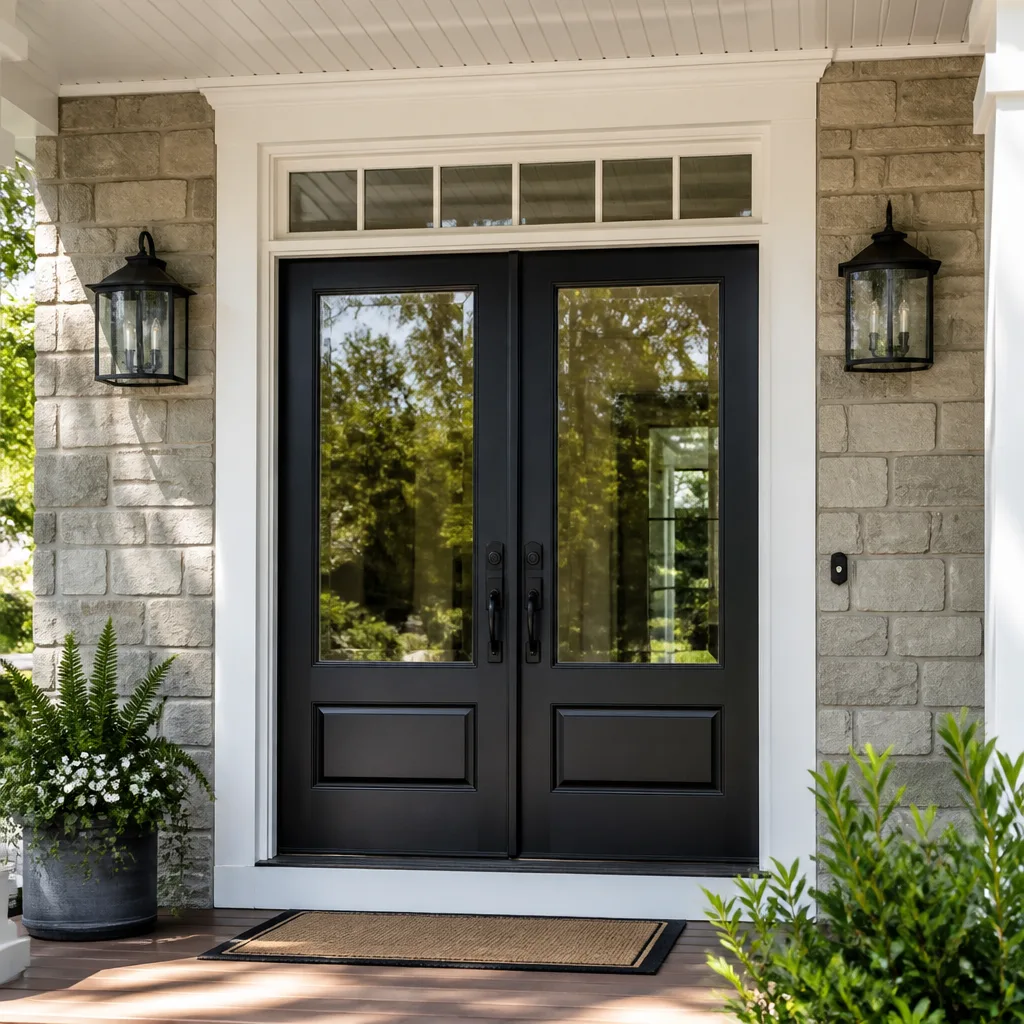 Entry doors
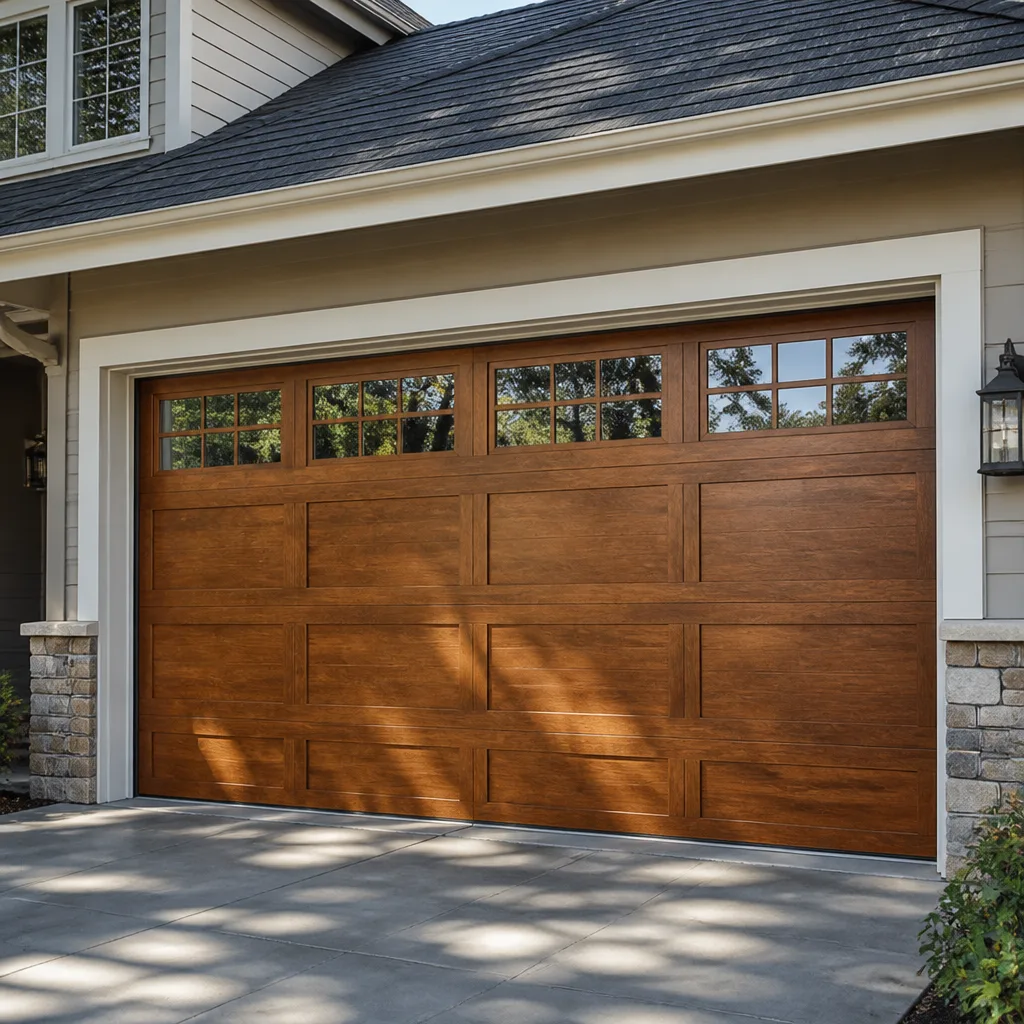 Impact garage doors
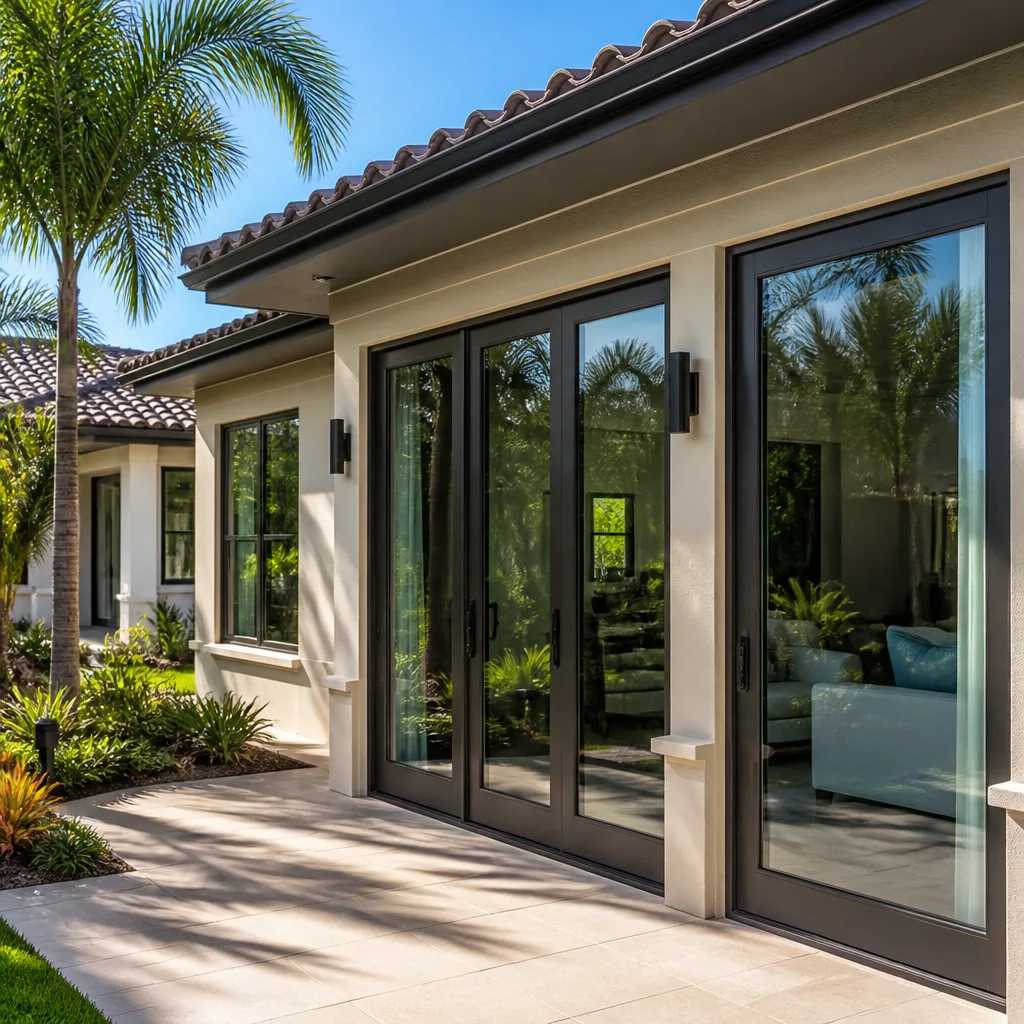 PGT
PGT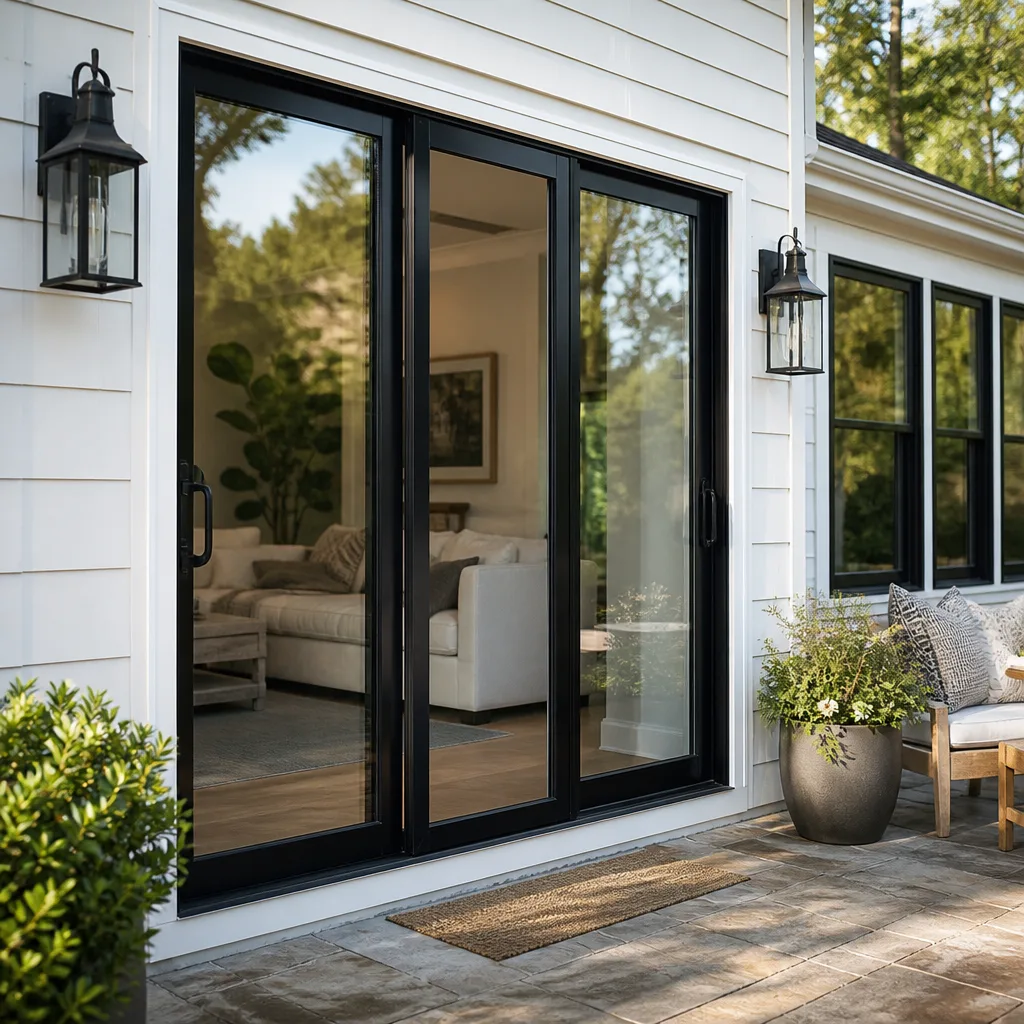 CGI
CGIFree in-home measure and quote - PGT, CGI and CWS impact lines compared on your actual openings, style by style
Get your free estimateHow to Hire a Windows & Doors Contractor in Fort Worth: A Step-by-Step Guide
The April 2023 hailstorm that crossed Tarrant County left behind something worse than dented sills and cracked glass. The Texas Department of Insurance fielded hundreds of complaints from Fort Worth homeowners who discovered, weeks after the crew was gone, that their “window contractor” had never pulled a permit. Their replacements went in outside code. Their insurance claims got partially voided. And the company that did the work had already moved on to the next storm-damaged neighborhood. This guide lays out a documented vetting sequence, not a vague checklist, so you can hire with the same care you would use for any five-figure decision made under a Saturday afternoon deadline. For more guides & resources, see our blog.
Styles & brands we work with
Quick Answer
To hire a windows and doors contractor in Fort Worth, verify their Texas registration through the TDLR and TDI online lookup tools, ask three specific questions about manufacturer brand authorization, require an itemized written quote that separates labor, product, disposal, permit fees, and warranty registration, and hold final payment until after the permitting authority signs off on the inspection. A legitimate local installer will answer every one of those requests the first time you ask. The phone number to call for a free estimate from a Fort Worth company that operates this way is (682) 900-6694.
Table of Contents
- Step One: Verify Registration and Insurance Before the First Phone Call
- Step Two: Ask the Three Brand Authorization Questions
- Step Three: Require a Line-Item Written Quote
- Step Four: Understand Fort Worth Permit Reality
- Step Five: Structure a Payment Schedule That Protects You
- Step Six: Judge the Walkthrough, Not the Website
- Step Seven: Confirm the Warranty Path Before Work Starts
- Common Mistakes to Avoid
- When to Call a Professional
- Frequently Asked Questions
- The Bottom Line
Step One: Verify Registration and Insurance Before the First Phone Call
Most Fort Worth homeowners call a contractor first and verify credentials second, if at all. Flip that order. You can check a Texas contractor’s registration status and liability coverage in under four minutes using two free state lookup tools, and doing it before the first conversation saves you from falling for a polished pitch from a company that has no legal obligation to stand behind its work.
The Texas Department of Licensing and Regulation (TDLR) maintains an online license search. Enter the company name or the individual’s name, and the database tells you whether the registration is active, expired, or simply nonexistent. The Texas Department of Insurance (TDI) hosts a companion lookup for insurance agent and adjuster credentials, which matters in Fort Worth specifically because storm-chasing crews often offer to “help with your claim” as a way to get in the door. Helping with an insurance claim for a fee, or negotiating a claim on your behalf, requires a license from TDI. A window installer who touches your claim paperwork without that license is operating outside Texas law.
What you’re looking for in these searches:
- The TDLR registration is active, not just “on file.” Expired is expired.
- The name on the registration matches the name on the quote and the contract. Mismatches are a red flag.
- The company carries general liability coverage, and the policy is current. Ask for the certificate of insurance. A legitimate Fort Worth contractor sends it as a PDF within the hour.
- If the contractor mentions “helping with your insurance claim,” ask for their TDI license number. Storm chasers typically can’t produce one, and that is your cue to end the call.
At Lightwell Windows Fort Worth, every job is covered by the Cedarwell Care Promise, which includes a written price before any work starts and the 365-Day Done Right Promise. Keith Yamada, the owner, has been serving Fort Worth since 2010, and the company’s registration and insurance documentation is available on request before you ever schedule an estimate. That is the standard any contractor should meet without hesitation.
Step Two: Ask the Three Brand Authorization Questions
Windows fail. It is a fact of the product category, not a failure of the installer. When a sealed unit fogs between the panes or a latch mechanism breaks, the manufacturer warranty is what protects you. And here is what most Fort Worth homeowners learn too late: many manufacturer warranties are voided on day one if the installer was not authorized by the brand to install that product.
An unauthorized installer might buy product through a gray-market distributor or a surplus yard. The windows are genuine, but the factory warranty does not attach because the manufacturer has no record of that installer’s training, no agreement governing installation tolerances, and no accountability path when a product defect appears. You think you have a 20-year warranty. You have nothing.
Ask these three questions, in this order, on the first phone call or during the first walkthrough:
- Are you a factory-authorized installer for the specific brand you are quoting? Not “we work with all brands.” Not “we can get anything.” The question is about authorization, and the answer should be yes or no, tied to a named brand.
- Will the warranty registration be submitted in my name, and can you show me the confirmation? A legitimate installer registers the product warranty with the manufacturer under the homeowner’s name and address, then provides the registration confirmation. If the installer says “the warranty follows the product,” that is a stall. Product warranties follow the product across owners, but the registration must exist first.
- How does your workmanship warranty interact with the manufacturer warranty, and is that in writing? The manufacturer covers the product. The installer should cover the installation. If the installer will not put a workmanship warranty term in writing, you are betting your largest home investment on a handshake.
Lightwell carries eight manufacturer brands: PGT, CGI, CWS, ES Windows, ECO Window Systems, Mr-Glass, Therma-Tru, and ViewLux. The point of carrying a full lineup is not inventory volume. It is that the recommendation fits the home, not the installer’s preferred vendor. A Fort Worth home with intense western exposure needs different glass than a shaded lot in Fairmount, and the right product choice depends on having honest options.
Step Three: Require a Line-Item Written Quote
The single most common complaint about window and door contractors in Fort Worth is not bad workmanship. It is the gap between the number discussed at the kitchen table and the number on the final invoice. A vague “all-in” quote is a blank check with a smile. The fix is simple: require line items, in writing, before any work starts.
A legitimate written quote for window replacement in Fort Worth separates these components:
- Product cost – the window or door units themselves, listed by size, brand, series, and glass package. If the quote says “windows” with no sizes, ask why.
- Labor – the installation crew’s time, listed separately. If labor and product are mushed into one number, you cannot compare quotes accurately or verify that a product upgrade is priced honestly.
- Disposal and haul-away – old windows, old doors, framing scraps, and packaging. Some Fort Worth crews quote this separately. Others include it. Either way, it should be a visible line, not an assumption.
- Permit fee – the actual cost of the City of Fort Worth permit, passed through at cost. If the quote does not mention a permit fee, the contractor is probably not pulling one. See Step Four.
- Warranty registration – confirmation that the installer will register the product warranty under your name. This should not have a fee attached to it, but it should be a stated deliverable.
For reference, most window replacements in Fort Worth run between $600 and $1,400 per opening depending on product tier, glass package, and whether any framing repair is needed. The spread is wide because a basic vinyl single-hung in a standard opening costs far less than a custom impact-rated unit sized for a 1930s bungalow in Ryan Place. A legitimate quote tells you exactly which end of that range you are on and why.
Lightwell’s standing operating rule is a written price before any work starts, always, with no-hassle upfront pricing. That is not a promotional offer. It is how Keith Yamada has run the business since 2010, and it is the only way a homeowner can compare quotes on equal footing.
Step Four: Understand Fort Worth Permit Reality
The City of Fort Worth requires a permit for window replacement when the opening size changes, when structural modifications are involved, or when the work falls under specific code provisions. Even when a straightforward swap does not require a permit, the work must still comply with the current adopted building code. The problem is that storm-chasing crews know homeowners rarely ask about permits, and they use that ignorance as a cost-cutting shortcut.
A contractor who skips the permit is not doing you a favor by saving you the fee. A permit creates a paper trail that the work was inspected by the City of Fort Worth, which means the installation was reviewed against current code. When you sell the home, the buyer’s inspector will look for evidence of permitted work. When you file an insurance claim, the adjuster may ask for the permit record. And if the work was done outside code, the claim can be adjusted down or denied outright.
Ask the contractor directly: “Will you pull a City of Fort Worth permit for this work?” A legitimate answer is yes, with the fee listed as a line item on the quote. A hand-wave answer like “you don’t need one for this” should be followed up with a call to the City of Fort Worth Development Services department to confirm. Taking that extra step has saved Fort Worth homeowners from buying a five-figure problem.
For window installation in Fort Worth, the same principle applies to new construction openings, additions, and any project where rough framing changes. The permit is your proof that the work meets code, not the contractor’s opinion about the work.
Step Five: Structure a Payment Schedule That Protects You
A contractor who demands full payment upfront is either undercapitalized, dishonest, or both. A contractor who insists on no payment until the very end is rare and perhaps saintly. The standard in the Fort Worth market is a deposit with a milestone-based schedule, and the specific milestones matter more than the percentages.
A reasonable structure for a whole-house window or door project looks like this:
- Deposit: 25-35% at contract signing. This covers product ordering and locks the schedule. Anything above 50% should send you looking elsewhere.
- Midpoint payment: 30-40% when product is delivered and installation begins. Some contractors ask for material payment when the units arrive on site. That is fair, because the product is on your property.
- Final payment: the remaining 30-45% after the City of Fort Worth inspection is signed off. This is the non-negotiable milestone. Final payment should never be tied to “when the crew is done.” It should be tied to the permitting authority confirming the work passed. A contractor who wants final payment before the inspection results are in is asking you to surrender your only remaining leverage.
Never pay in cash without a receipt. Never pay by wire transfer to an individual’s account. A check or credit card payment to the company named on the contract creates a paper trail, and a paper trail is what discourages the kind of contractor who answers a Fort Worth hail event with a truck, a ladder, and a promise that evaporates by the time the first hard rain arrives.
Step Six: Judge the Walkthrough, Not the Website
Websites are cheap. A slick site with stock photos of happy families and glowing reviews costs a few hundred dollars. The walkthrough is where a contractor reveals exactly how they will treat your home, and you should judge the walkthrough as the product itself.
When the estimator arrives at your Fort Worth home, watch for these specifics:
- Shoe covers at the door. Not “oh, my shoes are clean.” The actual act of putting on covers or removing shoes. A contractor who protects your entryway floor is a contractor who will protect the rest of the house.
- Drop cloths mentioned or deployed. During the estimate, the estimator should note where the crew will lay protection for floors, furniture, and the pathway from the door to the work area.
- Questions about your household. “Do you have kids who nap in the afternoon?” “Are there pets that need to be kept out of the work zone?” “Is there a preferred time window for noisy work?” These questions signal an operational process, not just good intentions.
- A written or typed measurement record. The estimator should measure every opening, write the numbers down, and show them to you. Guessing from the seat of the truck is not a measurement process.
- Discussion of the C.A.R.E. values by name. Lightwell crews follow C.A.R.E. on every visit: Clean up like it is our own home; Ask before we move or touch anything; Respect the family’s time and quiet hours; Explain the price before the work. If a contractor cannot articulate their on-site behavior standard in plain language, assume the standard is improvisation.
The walkthrough is also your chance to observe whether the estimator recommends a product that fits your home or the product they have the most margin in. A Fort Worth house with single-pane windows and original wood trim in Arlington Heights has different needs than a 1990s brick ranch in Wedgwood. The right recommendation is specific to your house, your exposure, and your priorities for light, sound, and energy cost. A one-size recommendation is not a recommendation.
Step Seven: Confirm the Warranty Path Before Work Starts
Warranty confusion does not start when a window fails. It starts at the contract table, when two different companies describe two different things using the same word. Resolve every warranty question before any work begins, and get every answer in writing.
The three warranty paths that should be confirmed:
- The manufacturer’s product warranty. Covers defects in the window or door unit itself: failed sealed glass, warped frames, defective hardware. Duration varies by brand and product line. Ask the installer to specify the exact warranty term for the exact product quoted, and to confirm in writing that the warranty will be registered under your name at your address.
- The installer’s workmanship warranty. Covers the installation, not the product: leaks around the frame, improper flashing, poor caulking, out-of-square installation. Ask what the workmanship warranty term is and what it specifically includes. A one-year workmanship term is common. A contractor who offers a longer term is putting their money where their mouth is, and that is worth something.
- The service path. This is the one nobody asks about, and it is the one that matters most when something goes wrong. When the window fogs or the door sticks, who do you call? Is it an 800 number that routes to a call center in another state, or is it a Fort Worth number that a real person answers at night? Lightwell answers the phone with a live person 24/7, not a voicemail maze, because a warranty is only as good as the service path behind it.
The 365-Day Done Right Promise applies to every Lightwell job: if the finished work is not right, Lightwell makes it right, no debate, no countdown. That promise means something because it is tied to a local owner who has been operating in Fort Worth since 2010, not to a corporate office that has never seen your street.
Choosing Between Window Product Lines: The Fort Worth Climate Question
Fort Worth gets the full collision of Texas weather: July afternoons above 100 degrees, February ice events, spring hail, and the occasional tornado warning. The window package that performs well at -10 degrees in Minnesota is not necessarily the package you want when the heat index hits 112 in Benbrook. See our Seasonal Windows & Doors Care for Fort Worth: Year-Round Homeowner’s Guide for climate-specific maintenance.
The two biggest product decisions for Fort Worth homeowners:
Impact-rated versus standard glass. Impact-rated products, like those from ES Windows and PGT, are engineered to withstand storm debris and are a common choice for homes in hail-dense corridors. They cost more, but they can reduce the likelihood of shattered glass during the next Tarrant County hail event, and some insurers offer premium credits for impact-rated openings. Standard insulated glass performs fine for everyday energy efficiency but offers no debris protection.
Vinyl versus thermally broken aluminum versus fiberglass versus wood-clad. Vinyl dominates the mid-market in Fort Worth for good reason: it is durable, low-maintenance, and cost-effective in a climate with high UV exposure. Thermally broken aluminum gives narrow sightlines for modern designs, and ECO Window Systems offers profiles that suit contemporary Fort Worth builds. Fiberglass and wood-clad, including options from Mr-Glass and Therma-Tru door products, sit at the higher end, and they perform well in homes where the window contributes architectural character, as in the historic districts along the Trinity River.
For door installation in Fort Worth, the climate consideration shifts to thermal performance and air sealing. A front door that faces west in a Sundance Square-adjacent neighborhood takes brutal afternoon sun, and that reality should drive the door slab and weatherstripping choice as much as curb appeal does. Therma-Tru fiberglass doors, with their insulated cores and stable dimensions through temperature swings, are a practical fit for that exposure.
The Neighborhood Factor: What Fort Worth’s Older Homes Demand
Fort Worth’s housing stock spans more than a century, and a contractor who works primarily on new-build subdivisions in Keller may not understand what happens when you open a wall in a 1920s Craftsman in Fairmount. The city’s older neighborhoods, Ryan Place, Mistletoe Heights, Berkeley Place, and the Near Southside, demand a different kind of care.
Homes in these areas share a few realities. Original openings are frequently out of square because the framing has settled over 80 years. Interior and exterior trim is often load-bearing, meaning a careless demo can crack plaster walls two rooms away. Lead paint is a real presence in pre-1978 homes, and removal or disruption of painted surfaces has federal disclosure requirements. None of these realities shows up on a stock product brochure, and a contractor who has not worked through them will learn on your house.
During the walkthrough, ask directly: “Have you replaced windows in homes this age in Fort Worth?” Listen for the names of neighborhoods, not just a list of cities. A contractor who can talk specifically about working around original woodwork in Ryan Place or managing dust control in a Mistletoe Heights bungalow is demonstrating depth that you cannot fake from a website.
Crew behavior matters even more in these older homes. Lightwell technicians follow the C.A.R.E. values on every visit: Clean up like it is our own home; Ask before we move or touch anything; Respect the family’s time and quiet hours; Explain the price before the work. In a 1920s house, asking before moving a piece of furniture is not just courtesy. It is protection for an antique that cannot be replaced.
Kids, Pets, and the Quiet Details Nobody Quotes
Most window and door installations in Fort Worth happen in homes with children and pets. The crew arrives at 8 a.m., takes over the living room, and runs power tools for six hours. The impact on the household is real, and the best contractors plan for it as deliberately as they plan the flashing details.
Specific things that distinguish a thoughtful crew:
- Nap-time awareness. If the homeowner has a toddler who naps from 1 to 3, a thoughtful crew sequences the loudest work, cutting, grinding, pneumatic fastening, around that window. It costs nothing to plan, and the absence of it tells you how much the crew considers the family’s actual life.
- Pet-safe products. Where alternatives exist, low-VOC caulks, sealants, and adhesives are the default with a pet-conscious installer. A dog or cat in the work zone is not just an annoyance to be shooed away; it is a member of the household whose safety matters.
- Drop cloths and floor protection. Lightwell puts shoe covers and drop cloths on every visit and takes a photo of the clean-up before the crew leaves. The photo is not a vanity metric. It is a record that the protection happened, and it gives the homeowner certainty before they walk back into the room.
- Dust control. Cutting old windows out of brick openings generates fine dust that travels through a house on air currents. A careful crew seals off the work zone with plastic sheeting and runs a HEPA-grade air scrubber when the job warrants. The alternative is weeks of dust you keep finding in the hallway.
A light well is what brings daylight deep into a building. That is what a well-installed window should do for your home. And a well-run installation should bring the light in without bringing the construction site with it.
Common Mistakes to Avoid
- Answering the door for a storm-chaser. After any significant hail event in Fort Worth, door-to-door crews appear with pitches about “free roof and window inspections” and insurance claim help. Many cannot produce a TDLR registration or a TDI license. You did not initiate the contact, and that asymmetry is exactly how the bad deals start.
- Treating the deposit as a formality. A deposit is not “what it takes to get on the schedule.” It is the first payment on a contract, and the size of it should match the value of the work ordered, not the contractor’s cash-flow needs. Walking away from a deposit you paid to a vanishing contractor is a bitter Fort Worth lesson.
- Skipping permit verification. Assuming the contractor pulled a permit because they said they would is how homeowners end up with unpermitted work and an insurance adjuster’s denial letter. Confirm the permit exists with the City of Fort Worth, in writing, before final payment.
- Accepting a quote with no product specifics. “Replacement windows, whole house, $12,400” is not a quote. It is a number. A real quote lists sizes, brands, series, glass packages, and warranty terms. If a contractor resists itemizing, they are protecting the markup, not you.
- Letting warranty registration slide. Many manufacturer warranties have registration deadlines, often 30-60 days after installation. If the installer says they will “take care of it,” set a calendar reminder and ask for the confirmation. Unregistered warranties may not exist.
- Paying the final invoice before the inspection signs off. The City of Fort Worth inspection is the last checkpoint. Final payment happens after the inspector signs off, not before. A contractor who pushes for payment before the inspection result is asking you to release leverage you may later wish you had.
- Choosing the lowest bid without reading the scope difference. A $9,000 bid and a $13,000 bid for the “same project” are rarely the same project. One includes disposal, permits, warranty registration, and proper flashing. One does not. The price differentiator is often the line items, not the labor rate.
When to Call a Professional
Call a professional the moment a window or door problem touches structure, water intrusion, code compliance, or safety. A window that has bowed framing around it, a door that lets water in at the threshold, a failed sealed unit in a second-story opening over a walkway, these are not weekend projects. In Fort Worth, where thermal expansion puts constant stress on frames and flashing, deferred window and door work turns into wall and sill rot faster than in drier climates. If the work involves removing a load-bearing header or reframing an opening, the answer is always a professional, always with a permit. Lightwell Windows Fort Worth offers free estimates in Fort Worth, call (682) 900-6694.
Frequently Asked Questions
Check the Texas Department of Licensing and Regulation’s online license database using the company name or the individual’s name, and confirm the registration is active. Then request a certificate of insurance directly from the contractor for liability coverage. A legitimate Fort Worth contractor sends this without hesitation.
Most window replacements in Fort Worth run between $600 and $1,400 per opening, with the spread driven by product tier, glass package, frame material, and whether any structural repair is needed. See our Windows & Doors Cost Breakdown: The Fort Worth Homeowner’s Reference for 2026 for full pricing details. The only way to know where your project lands is a line-item quote that separates product, labor, disposal, and permit fees. Call (682) 900-6694 for an exact quote, estimates are free.
It should not, if your contractor operates with written, no-hassle upfront pricing and defines scope before the first tool comes out. The legitimate reasons a price changes are hidden conditions discovered after demolition: rotted framing, termite damage, water intrusion that was not visible until the old window came out. Those should be documented with photos and quoted as a written change order before any additional work proceeds. A contractor who cannot explain a price change in writing is the reason you want everything in writing from day one.
In many cases, yes. The City of Fort Worth requires permits when the rough opening is modified or structural work is involved, and all work must comply with current code regardless of permit requirements. Confirm with the city and with your contractor, in writing, before work starts. The permit is the document that proves the work was inspected and passed.
The manufacturer warranty covers defects in the window or door product itself, such as failed sealed glass or defective hardware. The workmanship warranty covers the quality of the installation, such as leaks, improper flashing, or out-of-square installation. You need both, in writing, with the manufacturer warranty registered under your name. Call (682) 900-6694 to discuss warranty coverage on your specific project.
A full house of 15-20 replacement windows typically takes 2-5 working days with a properly staffed crew, depending on home age, access, and whether any framing repair is discovered. Older homes with out-of-square openings and original trim work extend the timeline. The schedule should be written into the contract, including any known factors that affect it. Call (682) 900-6694 for a timeline specific to your home, estimates are free.
The Bottom Line
Hiring a windows and doors contractor in Fort Worth comes down to one principle: the work should hold up in daylight, and the paperwork should too. Verify registration before the first phone call. Demand manufacturer authorization and a line-item written quote. Understand the permit requirement and hold final payment until the inspection signs off. Watch how the estimator walks through your home, because the walkthrough predicts the work. And confirm the warranty path in writing before anything gets ordered. A local, independently operated company that answers the phone at night, puts every price in writing, and stands behind the work with a 365-Day Done Right Promise makes the decision simpler than the storm-chasers want it to be. Keep our Window Replacement Maintenance Checklist for Fort Worth Homeowners handy after installation. That company is Lightwell Windows Fort Worth, call (682) 900-6694 for a free estimate.
Written by Keith Yamada, Owner at Lightwell Windows Fort Worth, serving Fort Worth since 2010.
See the difference
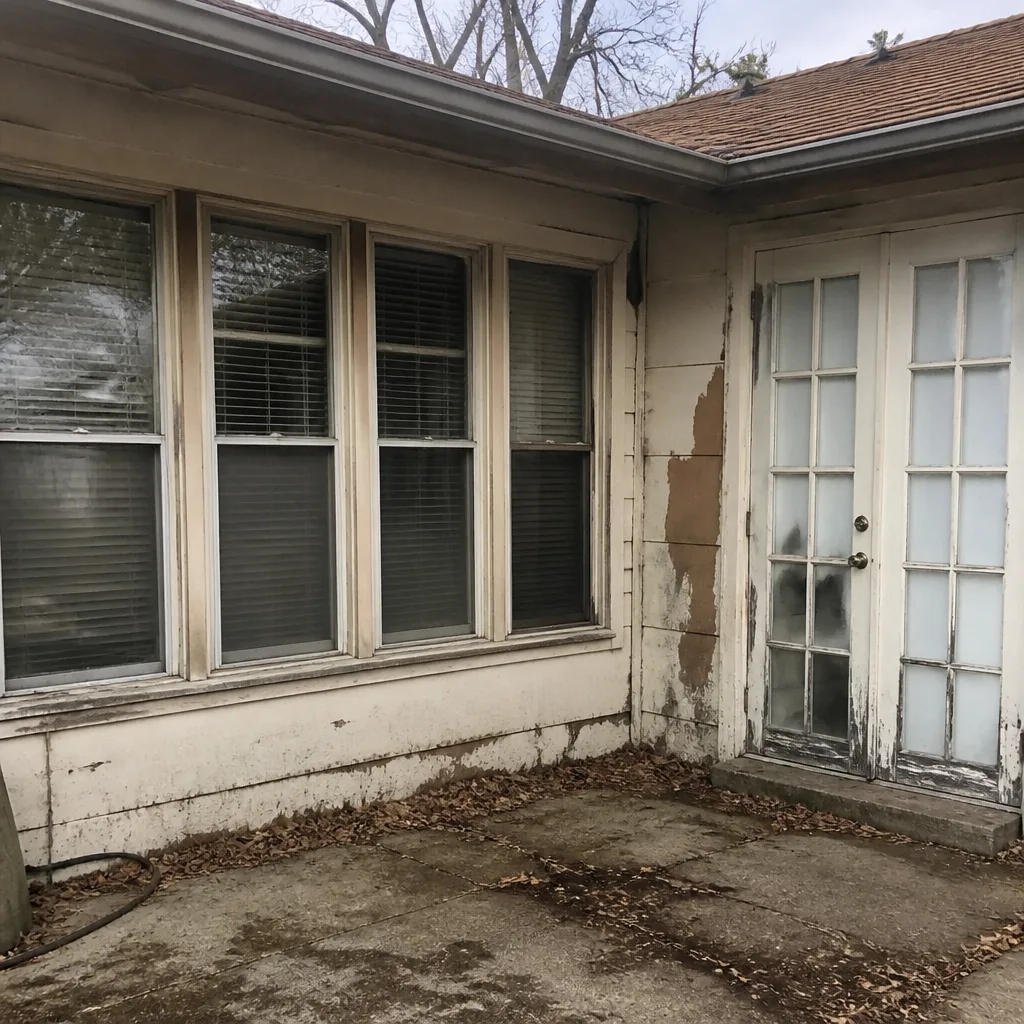 Before
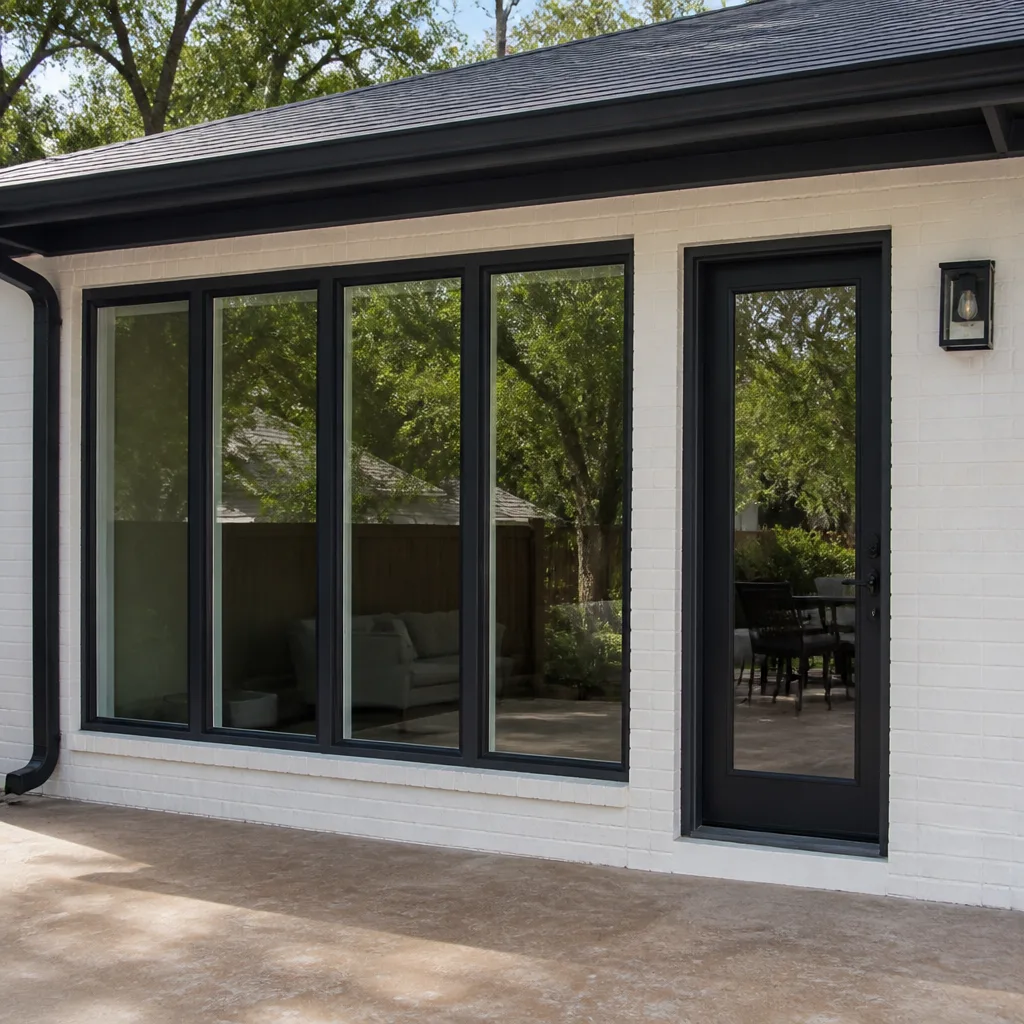 After
After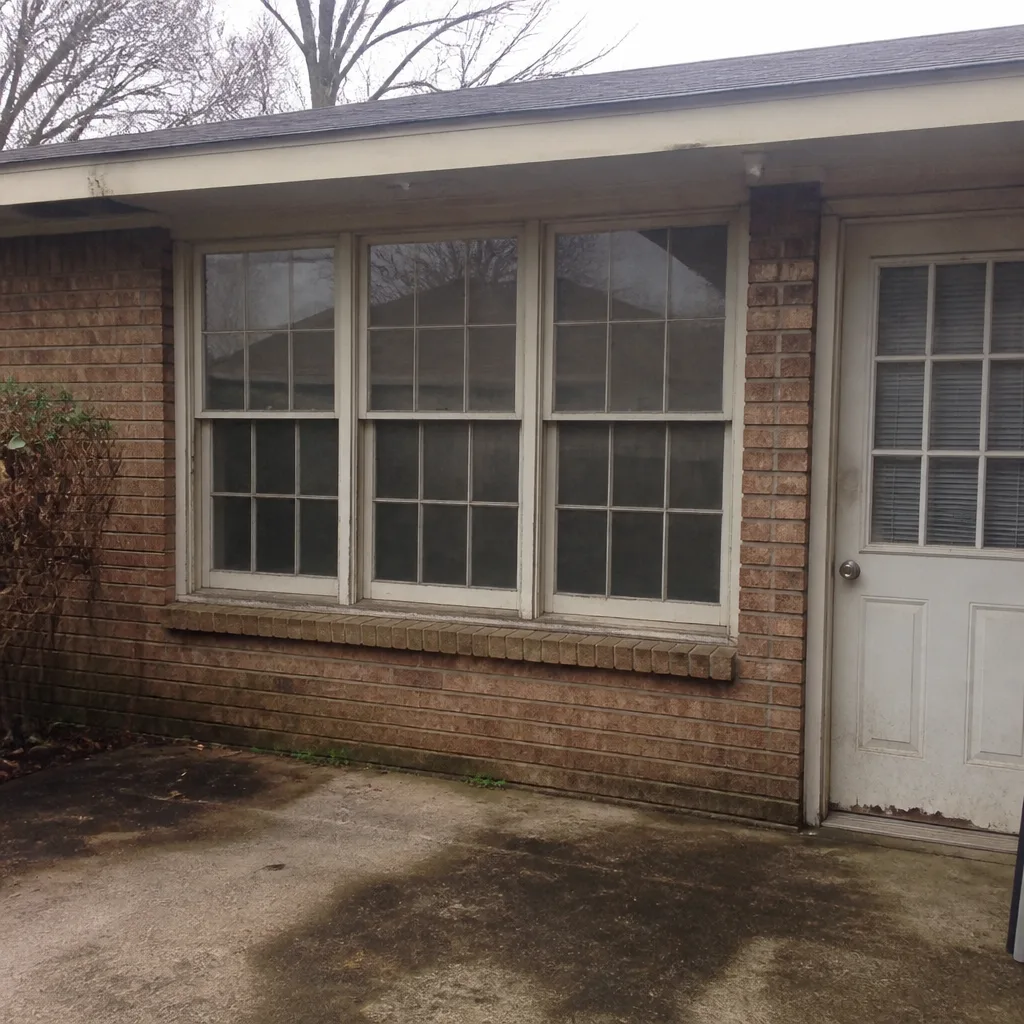 Before
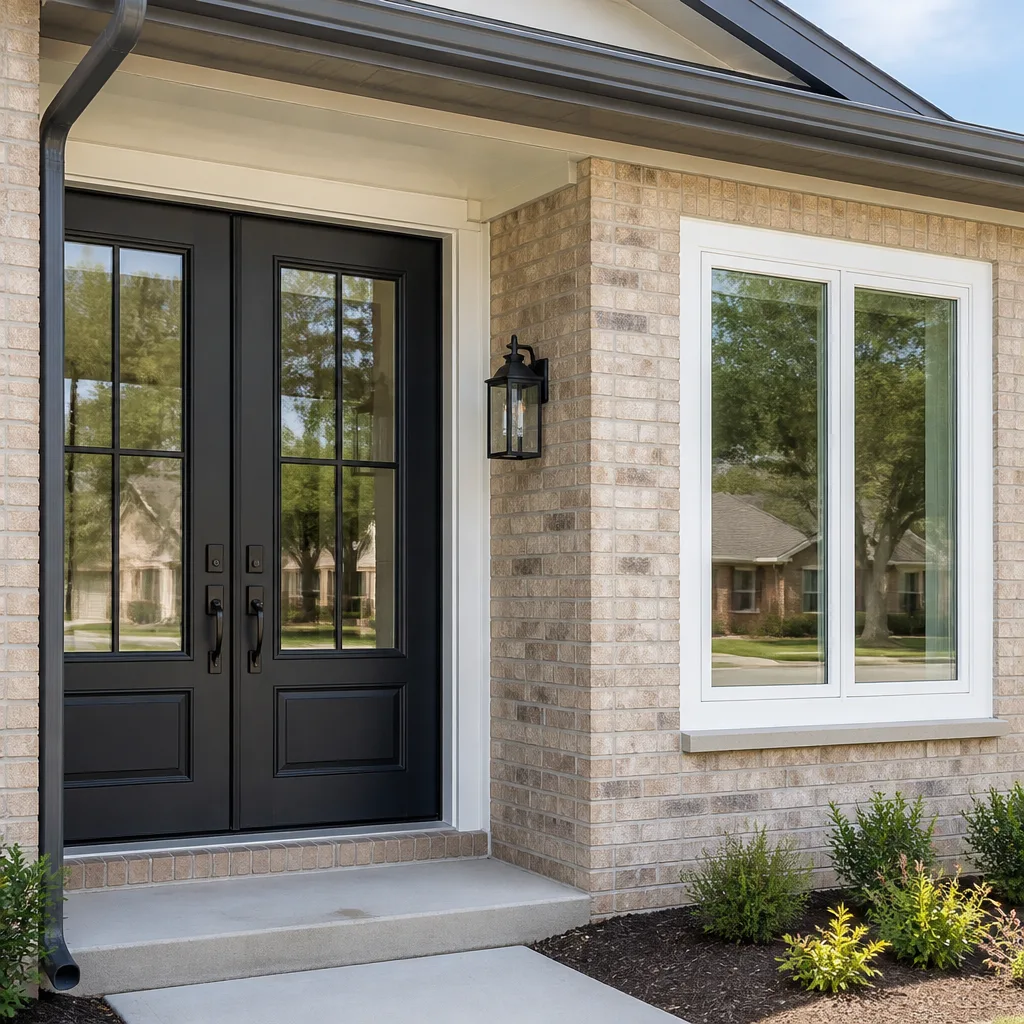 After
AfterSix Reasons Homeowners Choose Lightwell Windows Fort Worth
Laminated glass and reinforced frames hold up to wind-driven rain, hail and flying debris, so your openings stay sealed when the weather turns.
Low-E insulated impact glass from our manufacturer lines commonly cuts monthly cooling bills 20-30%.
Laminated impact glass shuts out up to 40% of outside noise - traffic, neighbors, weather.
Monitoring services run $30-90 a month. Laminated impact glass resists forced entry around the clock, with no subscription.
Tighter seals and insulated glass even out hot and cold rooms and stop the drafts at the frame.
A full impact package upgrades curb appeal, buyer confidence and appraised value in one project.