
Last updated October 17, 2026
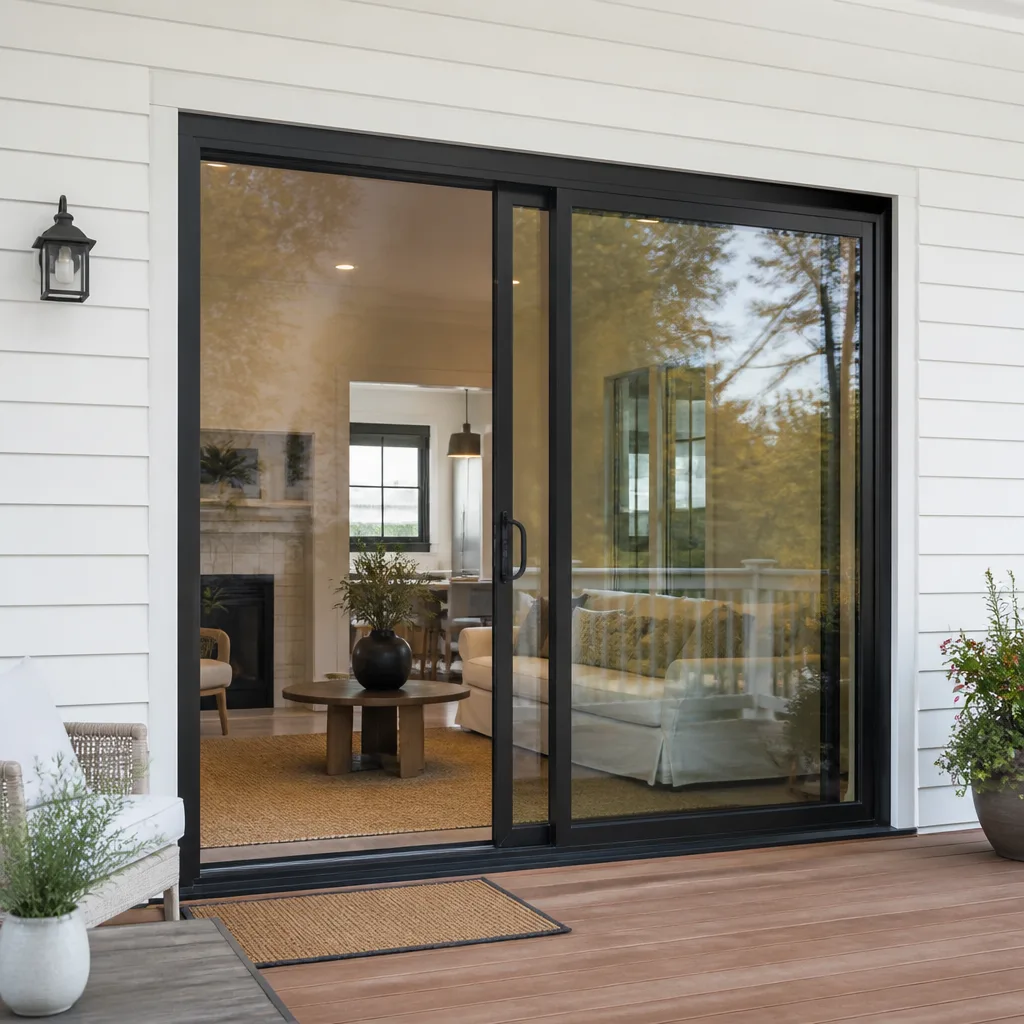 Sliding glass doors
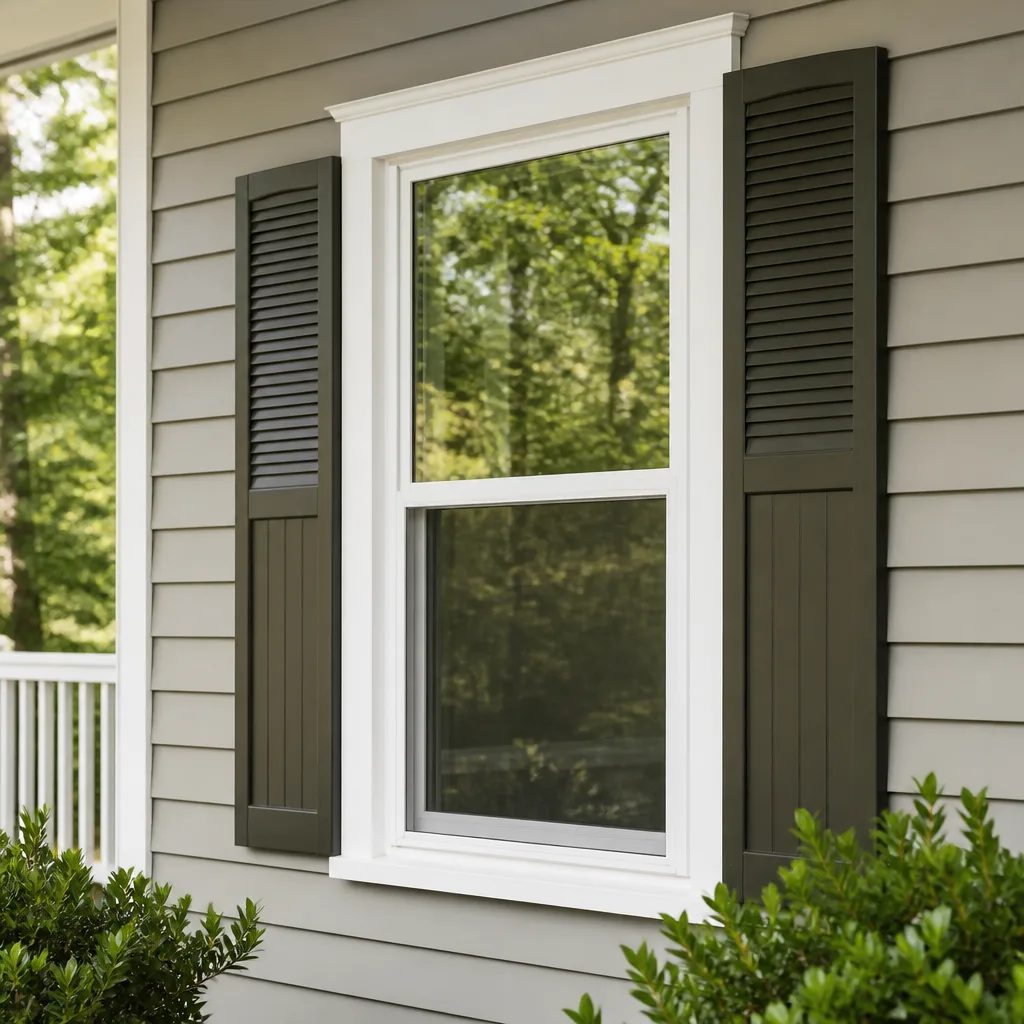 Single hung
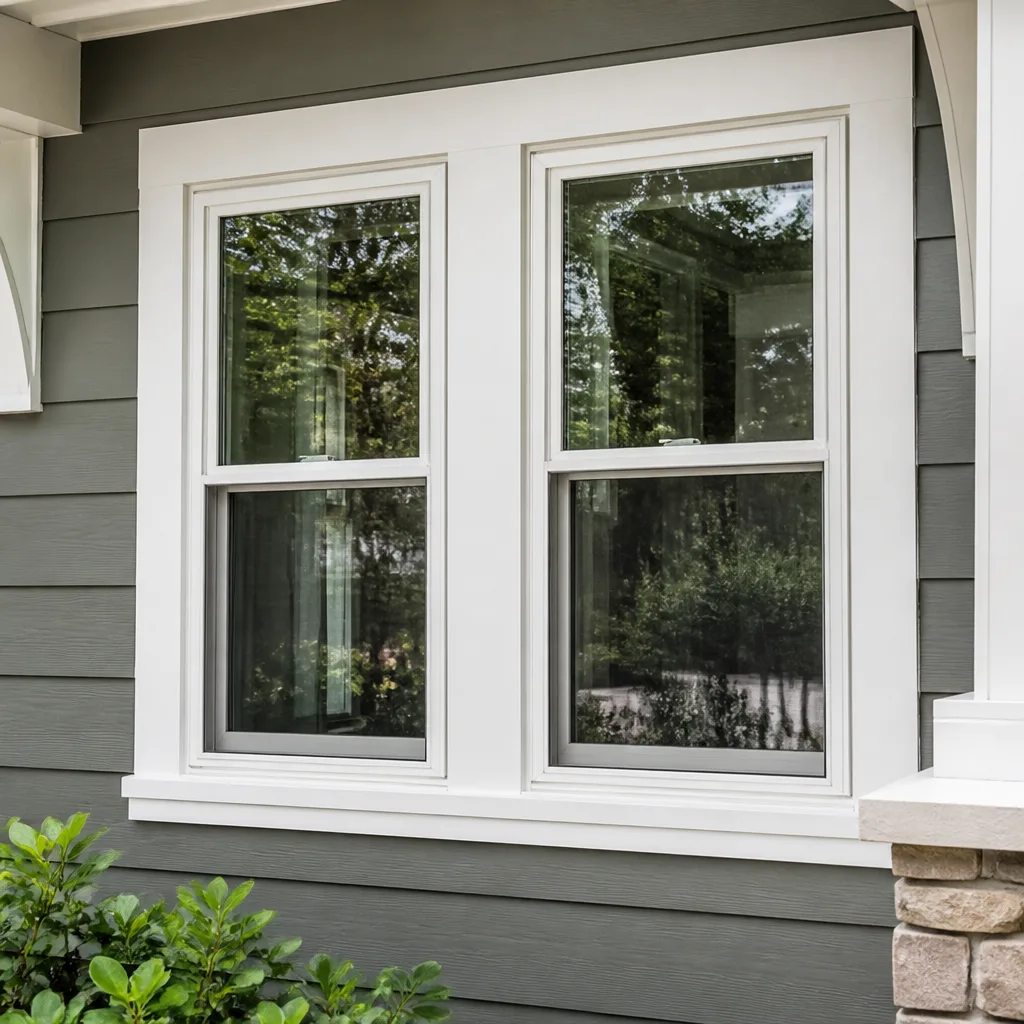 Double hung
 Horizontal roller
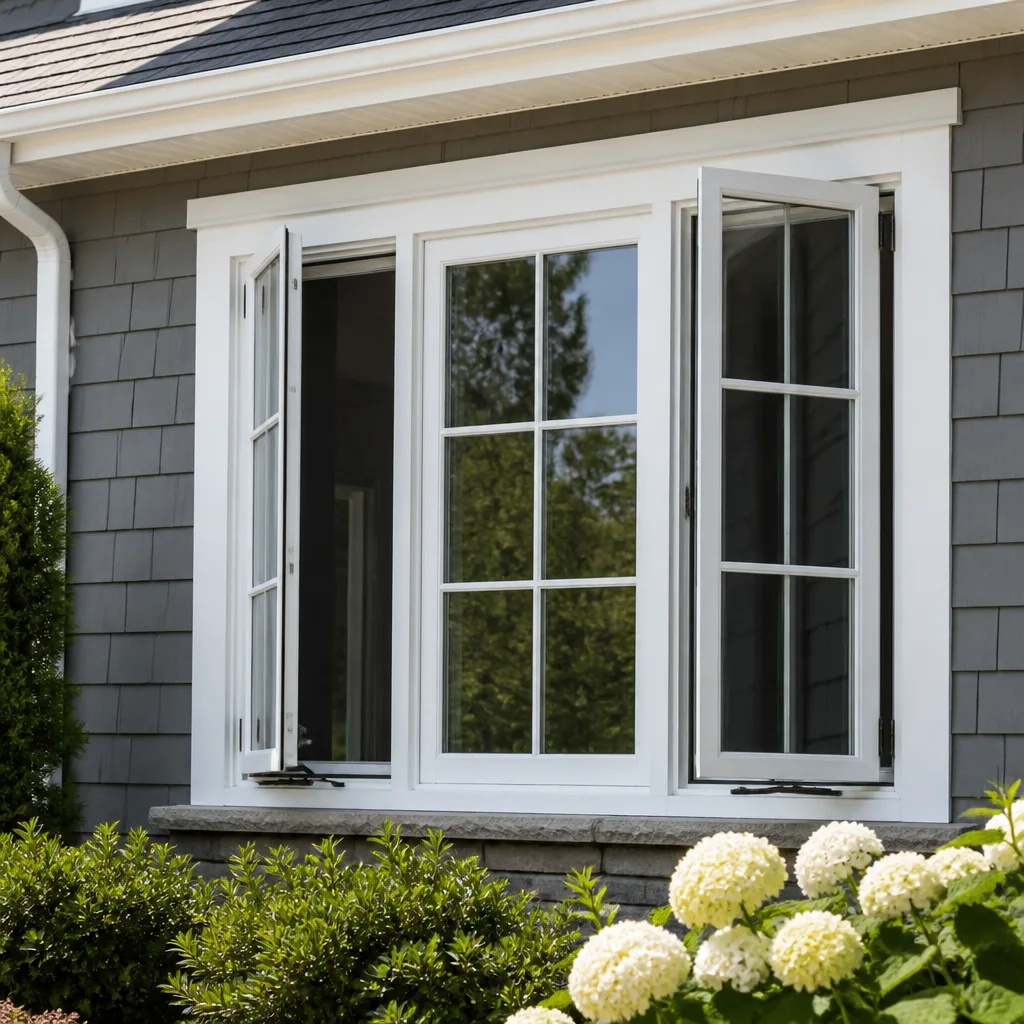 Casement
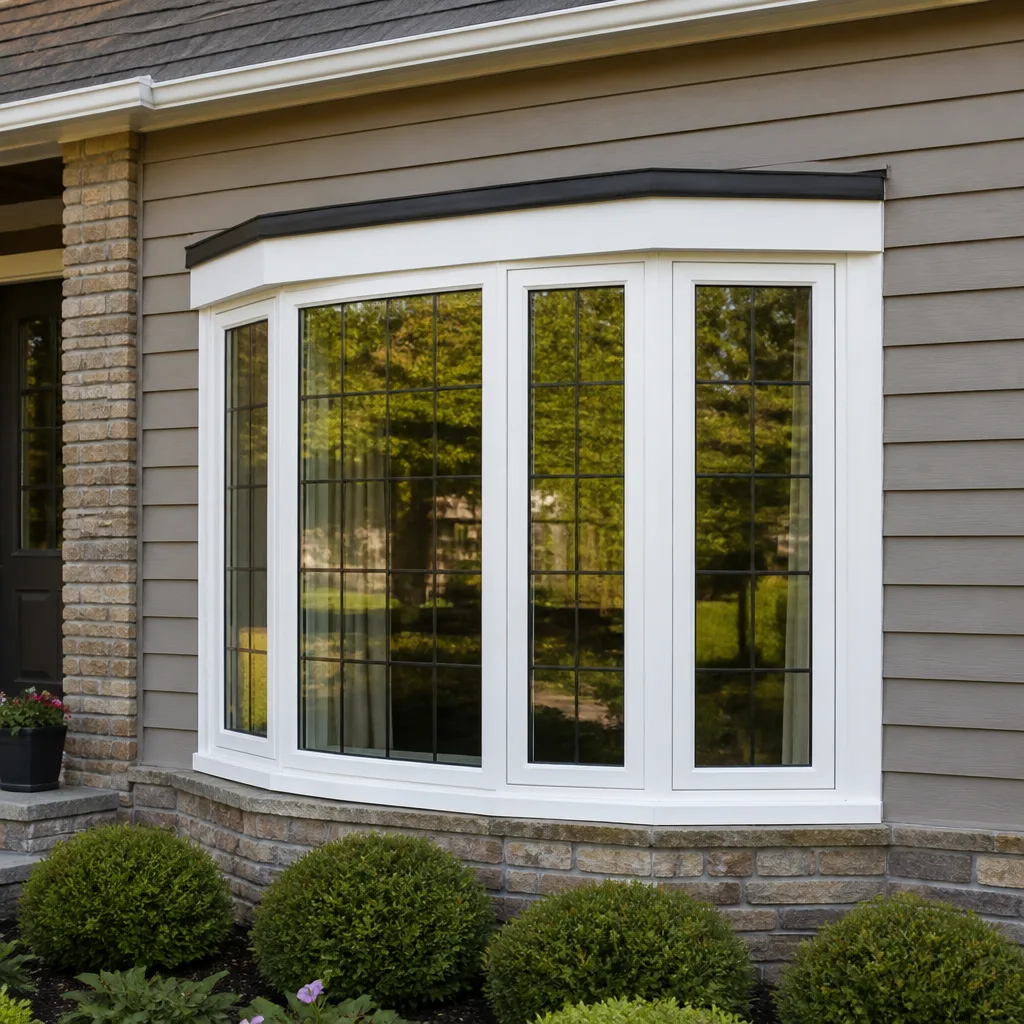 Bay & bow
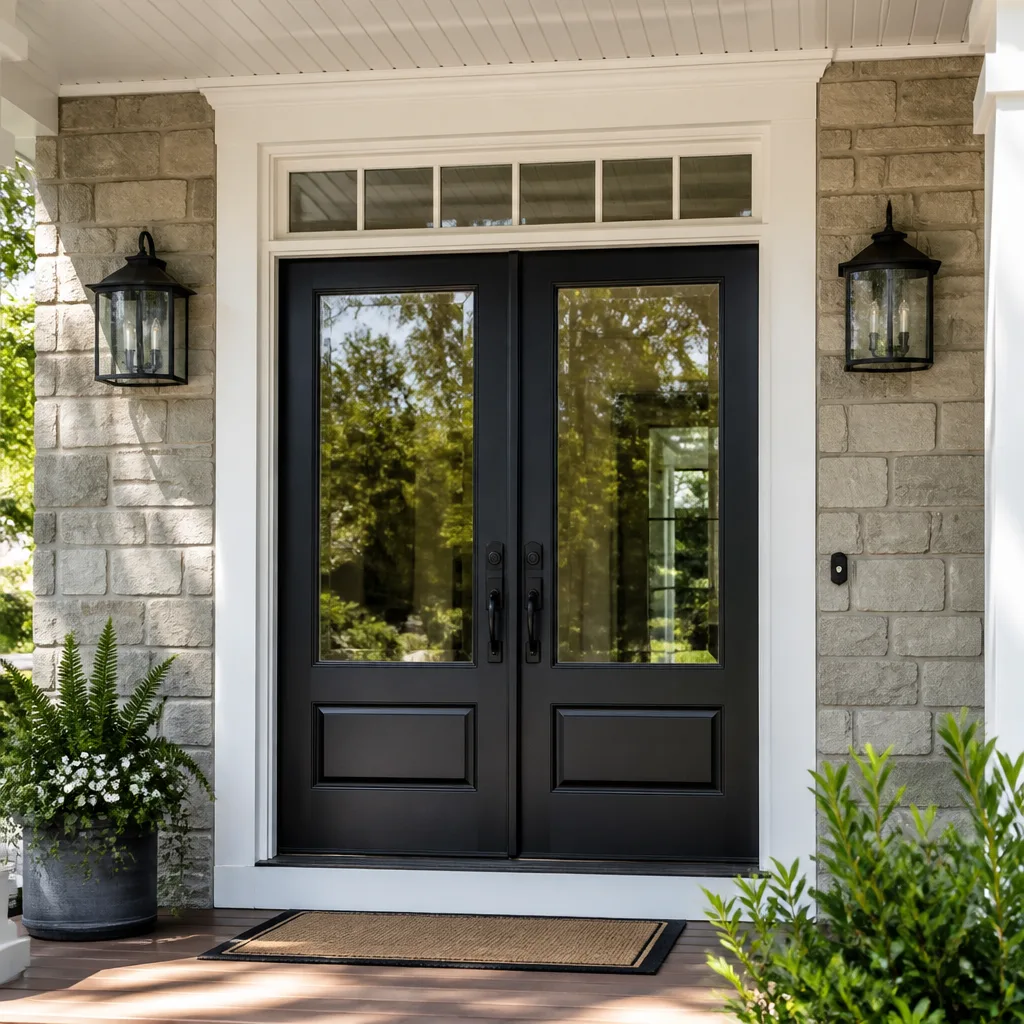 Entry doors
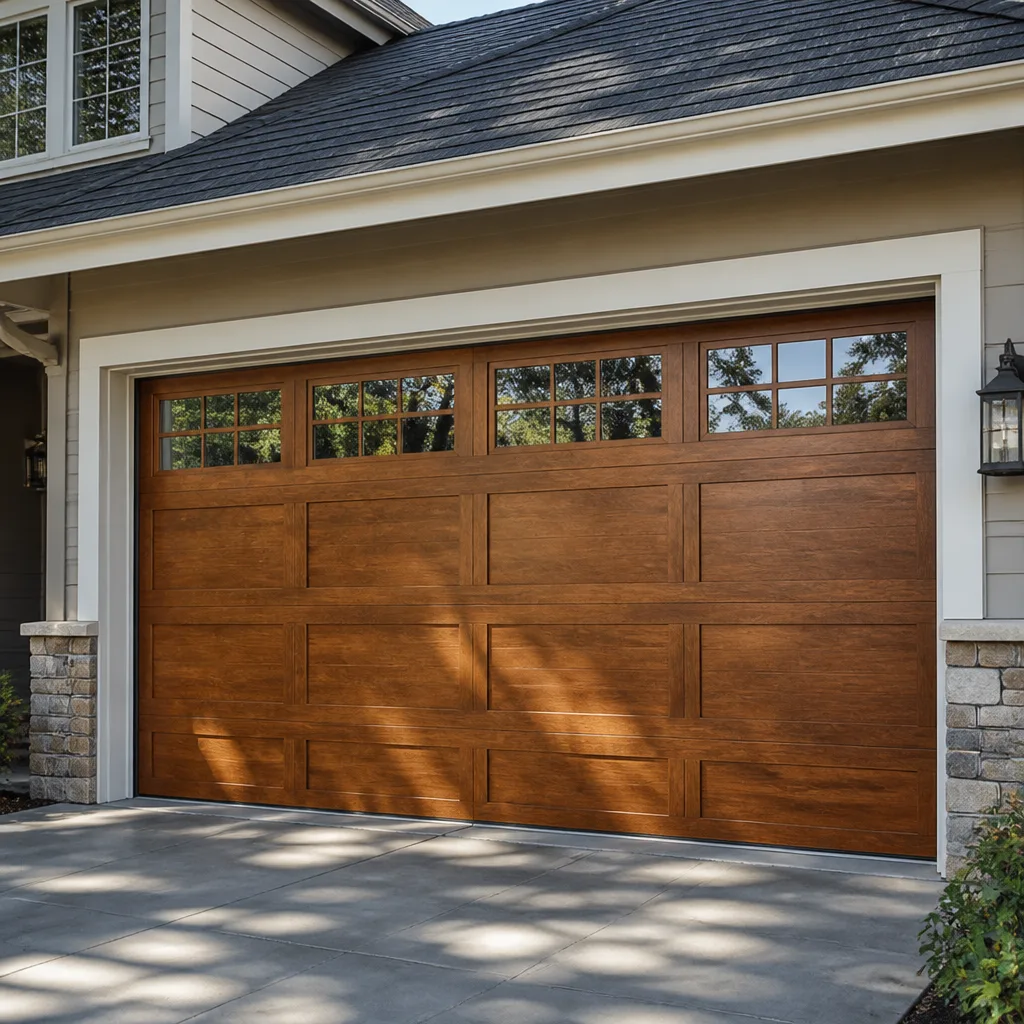 Impact garage doors
 PGT
PGT CGI
CGIFree in-home measure and quote - PGT, CGI and CWS impact lines compared on your actual openings, style by style
Get your free estimateSeasonal Windows & Doors Care for Fort Worth: Year-Round Homeowner’s Guide
Fort Worth does not have four equal seasons. It has two brutal ones, a brief transition, and a hail risk that can arrive in any month. The city averages fewer than 20 days below freezing each year, but those days often arrive as sudden drops from 70°F, which is a more violent thermal shock to window frames and door slabs than a gradual northern winter. This guide organizes care tasks around what North Texas weather actually delivers, month by month, so your windows and doors last longer and your energy bills stay predictable. You’ll learn what to check before February ice, how to inspect after April hail, which caulks survive a Fort Worth August, and why that fine red clay dust in your sliding door track matters more than you think.
Quick Answer
Seasonal window and door care in Fort Worth comes down to five recurring tasks: cleaning and lubricating tracks and hinges each spring and fall, inspecting weatherstripping and caulk before January and again before October, checking for hail damage after every spring storm, managing radiant heat on south and west-facing openings from June through September, and clearing Fort Worth’s fine clay dust from sliding tracks monthly. A homeowner who spends about two hours per season on these checks will catch most frame, seal, and hardware failures before they turn into water intrusion or a full window replacement.
Styles & brands we work with
Table of Contents
- February Ice Prep: Door Seals, Thresholds, and the Freeze-Thaw Cycle
- April and May Hail Season: The Post-Storm Inspection Sequence
- June Through August: Managing Radiant Heat on South and West-Facing Openings
- October Weatherization: Choosing Caulk That Survives a Fort Worth Summer
- Sliding Door Tracks and Fort Worth’s Red Clay Dust Problem
- Seasonal Cleaning That Protects Glass, Frames, and Hardware
- Common Mistakes to Avoid
- When to Call a Professional
- Frequently Asked Questions
February Ice Prep: Door Seals, Thresholds, and the Freeze-Thaw Cycle
The danger in a Fort Worth winter is not sustained cold. It’s the speed of the temperature swing. A day in the 60s can drop to 18°F overnight, and that rapid contraction pulls caulk beads away from brick and siding, cracks old weatherstripping, and warps wood door slabs that were swollen from a humid fall. We see more split door frames and failed seals after one 48-hour freeze than after an entire mild winter. The task in early February, before the next surprise ice event, is to catch the weak points while they’re still cheap to fix.
The most common failure we find is weatherstripping that has gotten wet, then frozen to the metal threshold. When you open the door, the strip tears away from its channel. From there, cold air moves under the door on the next freeze. Walk each exterior door in early February and run your fingers along the bottom sweep and the side jamb seals. Look for strips that feel stiff, have visible tears, or no longer press evenly against the door when it’s closed. Replacement sweeps and gaskets are inexpensive, and a door that seals correctly will hold the indoor temperature far better than one losing air along the entire bottom edge.
- Check the threshold seal: Close each exterior door and look for daylight under the bottom edge. If you can see light, the sweep needs replacement before the next freeze.
- Inspect metal thresholds for pitting: Fort Worth’s winter moisture, combined with the de-icing salts some homeowners use on porches, can eat into aluminum thresholds. Pitted thresholds hold water, which freezes and widens the pits.
- Test the deadbolt alignment: A door slab that has expanded and contracted through a freeze cycle may no longer align with the strike plate. If you have to lift the handle to lock, the slab or hinges have moved.
- Lubricate hinges and locks with a dry graphite lubricant: Wet lubricants gum up in cold weather and attract dust. Graphite keeps moving parts working through freezing temperatures.
- Look for condensation between double-pane glass: A freeze-thaw cycle is often the moment a failing spacer seal shows itself. If one window fogs between the panes after a cold night, the insulated glass unit has lost its seal and cannot be repaired with cleaning.
For windows, pay closest attention to north-facing frames that stay in shade all winter. These hold moisture longer after rain, and that moisture expands when it freezes, which is how hairline cracks open into channels for water. If you find rot or splitting wood, address it before spring storms arrive with their own driving rain.
April and May Hail Season: The Post-Storm Inspection Sequence
Fort Worth sits in one of the most hail-prone corridors in the country. Hailstones here do not just dent cars; they hit window frames at high velocity from angled trajectories during severe thunderstorms. The damage that matters most to a window or door’s long-term health is not always visible from the living room couch. A hairline crack in a vinyl frame, a bent corner on an aluminum sash, or a broken spacer seal between glass panes can sit unnoticed for months before fogging or water intrusion makes it obvious.
The inspection sequence below takes about 20 minutes per storm and catches problems while they are still covered by homeowner’s insurance and before they require a full window replacement in Fort Worth.
- Walk the exterior and look at each frame corner: Hail impact concentrates stress at corners. Look for white stress marks on vinyl frames, bent metal on aluminum corners, and any area where the frame no longer sits flush against the siding or brick.
- Run a finger along the glass perimeter: A cracked spacer seal feels like a slight unevenness where the glass meets the frame. Sometimes you can see a thin line of moisture or mineral deposit starting to form inside the glass.
- Check the weep holes: Most window frames have small drainage holes along the bottom edge. If hail or frame damage has blocked these, water will collect inside the frame channel and eventually rot the sill or leak into the wall.
- Inspect screens for tears and bent frames: Damaged screens signal the force of the hail. If the screen is torn, the glass and frame took a hit too. Check that window for the damage above.
- Open and close every impacted window: A frame that has shifted from impact may bind, not close fully, or fail to lock. A window that no longer locks is a security risk and an air leak.
- Check exterior caulk beads around frames: Hail can crack old caulk beads, especially along the top header where water runs off the roof and down the wall. Fresh cracks in caulk are channels for the next rainstorm.
One detail most guides miss: spacer seal failures are invisible for the first season. A window that will fog next winter may look perfectly clear in May. The earliest sign is a faint oily film forming on the inside glass surface near the frame edge. If you see that film on a window after a storm, the seal is gone. Mark the window and have it evaluated before the fog makes it obvious, because early intervention can sometimes save the frame even when the glass unit needs replacement.
June Through August: Managing Radiant Heat on South and West-Facing Openings
A Fort Worth summer pushes exterior surface temperatures past 160°F on the sunny side of a house. That heat is not just an energy cost; it’s a physical load on every window frame, door slab, and exterior seal. Vinyl frames expand measurably in that heat. Wood dries and contracts. Dark-painted steel doors absorb so much solar energy they can be painful to touch by 4 pm. The goal of summer care is to reduce the radiant load before it shortens the life of the materials.
The two sides that matter most are south and west. South-facing openings get the longest daily exposure. West-facing openings get the most intense afternoon sun, when outdoor air temperature is at its peak and the sun angle hits the glass directly. Managing those two exposures differently will do more for your windows and doors than any other seasonal action in Fort Worth.
- Close interior blinds or shades on south and west windows between noon and 6 pm. This keeps solar energy from entering the home and converting to heat, but it also reduces the surface temperature of frame interiors. The difference is measurable and protective.
- Use exterior shading where the architecture allows. Awnings, shade screens, or even well-placed deciduous trees cut the radiant load before it reaches the glass. Exterior shading is roughly twice as effective as interior blinds at reducing heat gain.
- Open windows on east and north sides in the early morning. Fort Worth mornings can be comparatively cool even in July. Cross-ventilating for an hour before 10 am flushes warm air without stressing the air conditioner.
- Inspect the caulk and weatherstripping on south and west openings monthly during summer. Heat accelerates the aging of flexible seals. A caulk bead that was pliable in May can crack and separate by August. Catching it before the October rains means fewer water intrusion issues in the fall.
- Do not paint or seal exterior frames in the heat of the afternoon. Surface temperatures above 100°F prevent proper curing and can lead to premature peeling. Early morning is the only workable time for exterior painting in a Fort Worth summer.
Our window installation in Fort Worth teams have measured the difference that proper glazing selection makes. A low-e glass option on west-facing windows reduces the solar heat gain coefficient enough to keep frame temperatures noticeably lower, which is why we often recommend different glazing for different sides of the same house. Not every opening in Fort Worth needs the same glass, and a thoughtful recommendation accounts for the direction each window faces.
October Weatherization: Choosing Caulk That Survives a Fort Worth Summer
October is the ideal weatherization month in Fort Worth. The brutal heat has broken, the fall rains have not yet arrived in force, and you can work outside without the sun baking you off a ladder by 9 am. But the biggest mistake homeowners make in October is grabbing whatever exterior caulk is on the shelf at the hardware store. Not all exterior caulks are formulated for the temperature range this city sees. A caulk rated for 40°F to 90°F service will fail in a Fort Worth August, when a sun-exposed frame hits 160°F. The caulk softens, sags, separates, and opens gaps right when you need it sealed against the next rain.
The products we recommend for Fort Worth weatherization share three characteristics: they are rated for continuous service above 120°F, they have a movement capability of at least 25% (meaning they can stretch and compress with the frame without tearing), and they are paintable where the joint will be visible. Look for a hybrid polymer or a high-grade silicone for the exterior perimeter, and use a dedicated window and door sealant, not a general-purpose bathroom caulk, around the frame-to-glass joint.
October weatherization priorities in Fort Worth:
- Re-caulk the top header of every window and door. Water runs down from the roof and wall and sits on top of the frame. The top bead fails first because it stays wet longest.
- Check the side beads for separation from the brick or siding. Fort Worth’s clay soil expands and contracts with moisture, and foundation movement transfers to wall openings. Hairline gaps open along the sides of frames as the soil shifts.
- Replace worn door sweeps and side gaskets before winter wetness arrives. Wet weatherstripping that freezes to a metal sill is a leading cause of torn seals in February.
- Inspect exterior door thresholds and re-secure screws. Thresholds work loose through the freeze-thaw cycle and need periodic tightening to maintain the seal.
- Ensure all weep holes are clear. Thorough weatherization should never seal over the weep holes. Those channels are what let condensation drain out of the frame.
Weatherization is also the right moment to evaluate whether your windows are still performing. If you find yourself re-caulking the same frames every October, or if the glass fogs each winter, the repair cycle is telling you something. At some point, the most cost-effective weatherization is a properly installed replacement. Lightwell Windows Fort Worth offers window replacement with written pricing before any work starts, so you can compare the long-term cost of repeated repairs against the price of a one-time fix.
Sliding Door Tracks and Fort Worth’s Red Clay Dust Problem
Most of the United States does not have red clay dust. Fort Worth does. The soil here is rich in iron oxide, which gives it that distinctive reddish-orange color and makes it extraordinarily fine-grained. That dust travels on shoes, paws, wind, and open windows, and it settles where you least want it: inside sliding door tracks, window channels, and door hinges. Over time, that fine grit acts like sandpaper on moving hardware, wearing down rollers, grinding into lubricated hinge pins, and causing the grinding sound that signals a track is eating itself.
The fix is simple and monthly. It takes ten minutes per door and will extend the life of your slider hardware by years.
- Vacuum the track first. Use a crevice tool to remove loose dust and debris. Do not wipe the track dry, which just grinds the grit deeper into the channel.
- Wipe the track with a damp cloth to pick up the fine residue the vacuum missed. Let the track dry completely.
- Apply a dry silicone or PTFE lubricant to the track and the rollers. Avoid oil-based or greasy lubricants, which attract more dust and turn the track into a grinding paste.
- Slide the door back and forth several times to spread the lubricant evenly. Wipe any overspray from the track surface.
- Check the adjustment screws on the rollers. Fort Worth’s clay soil moves with moisture, which can shift a door out of alignment. A door that drags or sticks may simply need the rollers raised or lowered slightly.
Window channels get the same dust, especially on the side of the house that faces the street or a construction site. Clean the channels when you clean the glass, and use the same dry lubricant on the balance and latch mechanisms. A window that gets harder to operate each summer is usually a window with clay dust accumulating in its tracks.
For more help with sliding doors specifically, see our door installation in Fort Worth guide, which covers track replacement and roller upgrades for older units.
Seasonal Cleaning That Protects Glass, Frames, and Hardware
Cleaning is maintenance, not just aesthetics. The dust, pollen, and mineral film that build up on Fort Worth windows and doors each season do active damage when left in place. Pollen holds moisture against frame surfaces. Hard water from sprinklers etches glass over time. Bird droppings and tree sap are acidic and will pit paint or powder coating within a season. The cleaning schedule below aligns with the weather this city actually delivers.
Spring (March through April): After the oak pollen finishes its annual assault, clean every window inside and out. Pollen is sticky and attaches to glass; plain water just smears it. Use a mild dish soap and warm water solution, then squeegee. Pay attention to the frame-to-glass perimeter, where pollen accumulates and traps moisture against the seal.
Summer (mid-June): A second exterior cleaning after the late-spring storms removes mineral deposits from rain and irrigation overspray. Sprinklers hitting windows and door glass leave hard-water spots that bake into the glass under summer sun and become difficult to remove without an acid-based cleaner. Adjust sprinkler heads so they stop hitting glass.
Fall (October): Clean the tracks and hinge areas one more time before the weather cools. This is the last easy exterior work of the year, and a clean window drains better through the winter wet months. Clear the weep holes at the bottom of each frame to ensure proper drainage.
Winter (December to January): Interior cleaning is fine; exterior cleaning can wait. Cold water on cold glass is not harmful, but the cleaning solution may freeze before it dries, leaving streaks. Focus on interior surfaces and check for condensation patterns that signal seal failure.
Common Mistakes to Avoid
- Using oil-based lubricants on sliding tracks and hinges. Oil attracts Fort Worth’s fine clay dust and creates a grinding paste that wears out hardware faster than dry operation would.
- Caulking over the weep holes. Those small drainage channels at the bottom of window and door frames must stay open. Sealing them traps water inside the frame, which rots wood and corrodes metal.
- Painting or sealing exterior frames in the afternoon heat. Surface temperatures above 100°F cause paint and caulk to cure improperly, leading to peeling and separation within a season.
- Waiting until a window fogs to address a spacer seal failure. By the time fog is visible, the insulated glass unit has failed and usually needs full replacement. Early signs, like an oily film inside the glass near the frame edge, appear months earlier.
- Ignoring a door that no longer locks without lifting the handle. A shifting door slab after a freeze-thaw cycle means the frame has moved. Left alone, it will worsen until the door won’t close at all, and the fix becomes a frame repair instead of a hardware adjustment.
- Using interior bathroom caulk on exterior window perimeters. Interior caulk is not UV-stable and cannot handle the expansion and contraction of a Fort Worth summer-to-winter swing. It will crack within a season.
- Skipping spring hail inspections because the windows look fine from inside. Hail damage to frames and seals is often invisible from the living room. Walk the exterior after every hailstorm in Fort Worth.
When to Call a Professional
Some seasonal tasks are simple homeowner maintenance. Others require a trained eye and proper tools. Call a professional when you see condensation between double-pane glass that does not clear, when a window frame shows cracks or rot that your finger can press into, when a door has shifted so far that it no longer latches, or when you find water staining on interior drywall below a window after a storm. These are structural failures, not maintenance items, and attempting a patch job usually means paying for the patch and then the real repair a year later. Lightwell Windows Fort Worth offers free estimates in Fort Worth. Our team will assess the opening, explain what failed and why, and put a written price in your hand before any work starts. Call (682) 900-6694 to schedule yours.
Frequently Asked Questions
Clean window and sliding door tracks monthly during the dry, windy months from March through October. Fort Worth’s fine clay dust accumulates quickly and acts as an abrasive on rollers and hinges. A monthly vacuum and wipe with a damp cloth, followed by a dry silicone lubricant, keeps hardware operating smoothly and extends its life by years. If your windows are grinding or sticking, call (682) 900-6694 and we’ll assess whether the track needs professional attention or the issue is a worn roller.
The best caulk for exterior windows in Fort Worth is a hybrid polymer or high-grade silicone rated for continuous service above 120°F with at least 25% movement capability. Standard acrylic latex caulk softens and separates in the 160°F surface temperatures a sun-exposed frame reaches in August. A paintable hybrid polymer provides the UV resistance of silicone with the paintability of latex. For an exact product recommendation matched to your window frame material, call (682) 900-6694 and we’ll point you to the right option.
A broken window seal shows as condensation or fog between the two panes of glass that you cannot wipe away from either side. Early signs appear before fogging: an oily film on the interior glass surface near the frame edge, or a slight distortion in the glass reflection near the perimeter. Once the seal is gone, the insulated glass unit has failed and the window cannot be repaired by cleaning. Replacement is the fix, and a free estimate will tell you whether just the glass unit or the full frame needs attention.
Hail season in Fort Worth runs primarily from March through May, but hailstorms have been recorded in every month of the year. After any hailstorm, walk the exterior and check window frame corners for stress marks, look for cracked caulk along the top header, inspect screens for impact, and open and close each affected window to confirm smooth operation. A hairline crack in a frame corner can let water in during the next rainstorm, so early detection matters. Call (682) 900-6694 for a professional post-storm assessment if you find any damage.
Your sliding door gets harder to open in summer because two things happen at once: Fort Worth’s intense heat expands the frame and track components, and accumulated clay dust in the track acts as an abrasive. The combination of thermal expansion and grit makes the door bind. Clean the track thoroughly, then apply a dry PTFE lubricant. If the door still drags, the rollers may be worn or the frame may have shifted with soil movement, and the fix is a roller replacement or an adjustment. We install and service sliding doors throughout Fort Worth and can diagnose the issue in one visit.
You can do most seasonal inspections yourself. Walk each window and door exterior, check caulk beads for cracks, run your fingers along weatherstripping, look for daylight under door sweeps, and watch for condensation between glass panes. The tasks where a professional adds value are those requiring removal of trim, evaluating hidden frame damage, or matching replacement glass and hardware. Lightwell Windows Fort Worth offers free estimates, and every recommendation comes with a written price before any work starts. If you’d rather have a trained eye on your openings before a season changes, call (682) 900-6694.
The Bottom Line
Fort Worth weather punishes windows and doors harder than most homeowners realize, but the damage is predictable. February ice tears wet weatherstripping. April hail cracks frames and seals. August heat bakes caulk into separation. October brings the right moment to seal everything before the winter cycle repeats. The clay dust that coats every track and hinge in this city is a slow-motion abrasive that submits to a monthly cleaning routine. Two hours per season, spent on the checks and tasks in this guide, will catch most failures while they are still cheap to fix. When a repair turns into a replacement, get a written price first, and make sure the crew treats your home the way they would treat their own. That standard is why we built Lightwell Windows Fort Worth the way we did.
For more seasonal advice, start with our Lightwell Windows Fort Worth home page, where you can explore our full range of services and see how the Cedarwell Care Promise applies to every job. Whether you need window replacement in Fort Worth, window installation for a new addition, or a new door installation for the entry facing the afternoon sun, our team works to the same standard on every project: a written price before work begins, drop cloths and shoe covers throughout, and a photo of the clean-up before we leave.
Written by Keith Yamada, Owner at Lightwell Windows Fort Worth, serving Fort Worth since 2010.
See the difference
 Before
 After
After Before
 After
AfterSix Reasons Homeowners Choose Lightwell Windows Fort Worth
Laminated glass and reinforced frames hold up to wind-driven rain, hail and flying debris, so your openings stay sealed when the weather turns.
Low-E insulated impact glass from our manufacturer lines commonly cuts monthly cooling bills 20-30%.
Laminated impact glass shuts out up to 40% of outside noise - traffic, neighbors, weather.
Monitoring services run $30-90 a month. Laminated impact glass resists forced entry around the clock, with no subscription.
Tighter seals and insulated glass even out hot and cold rooms and stop the drafts at the frame.
A full impact package upgrades curb appeal, buyer confidence and appraised value in one project.