
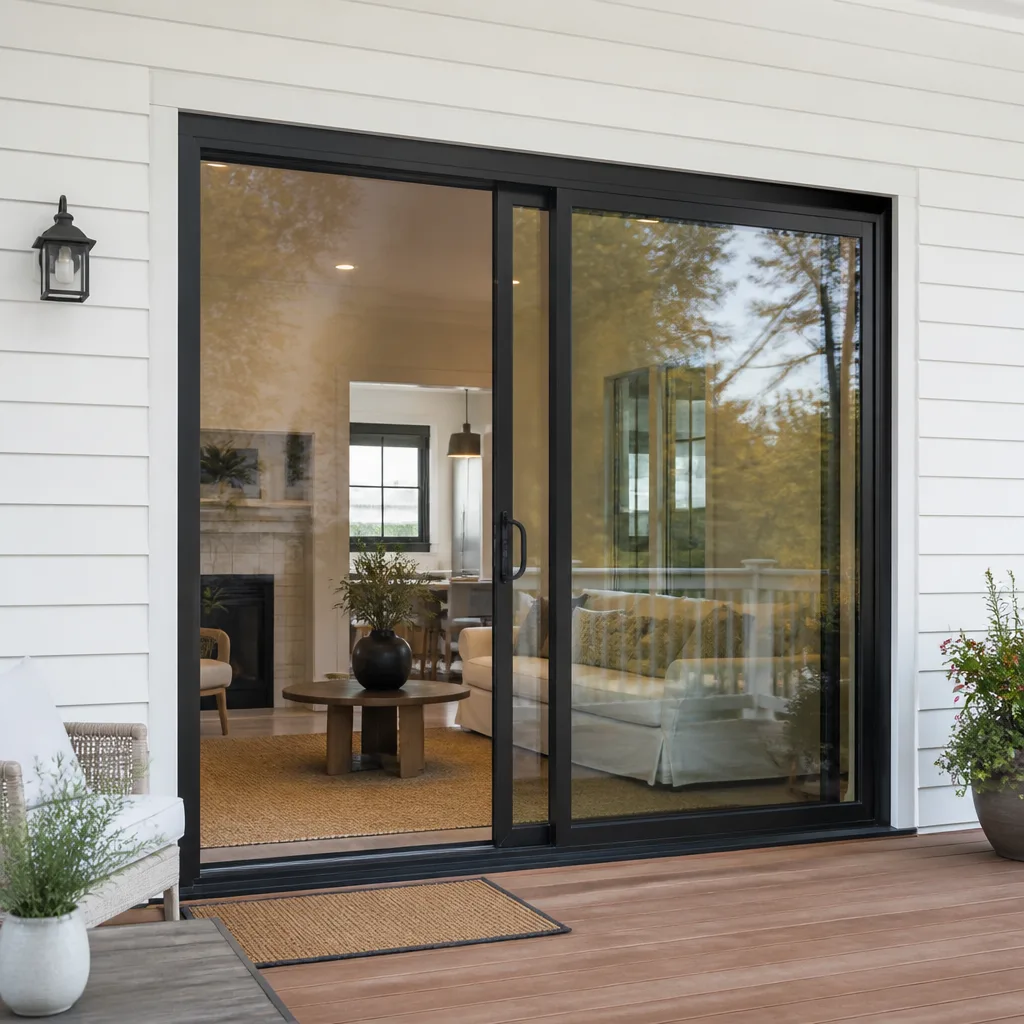
 Sliding glass doors
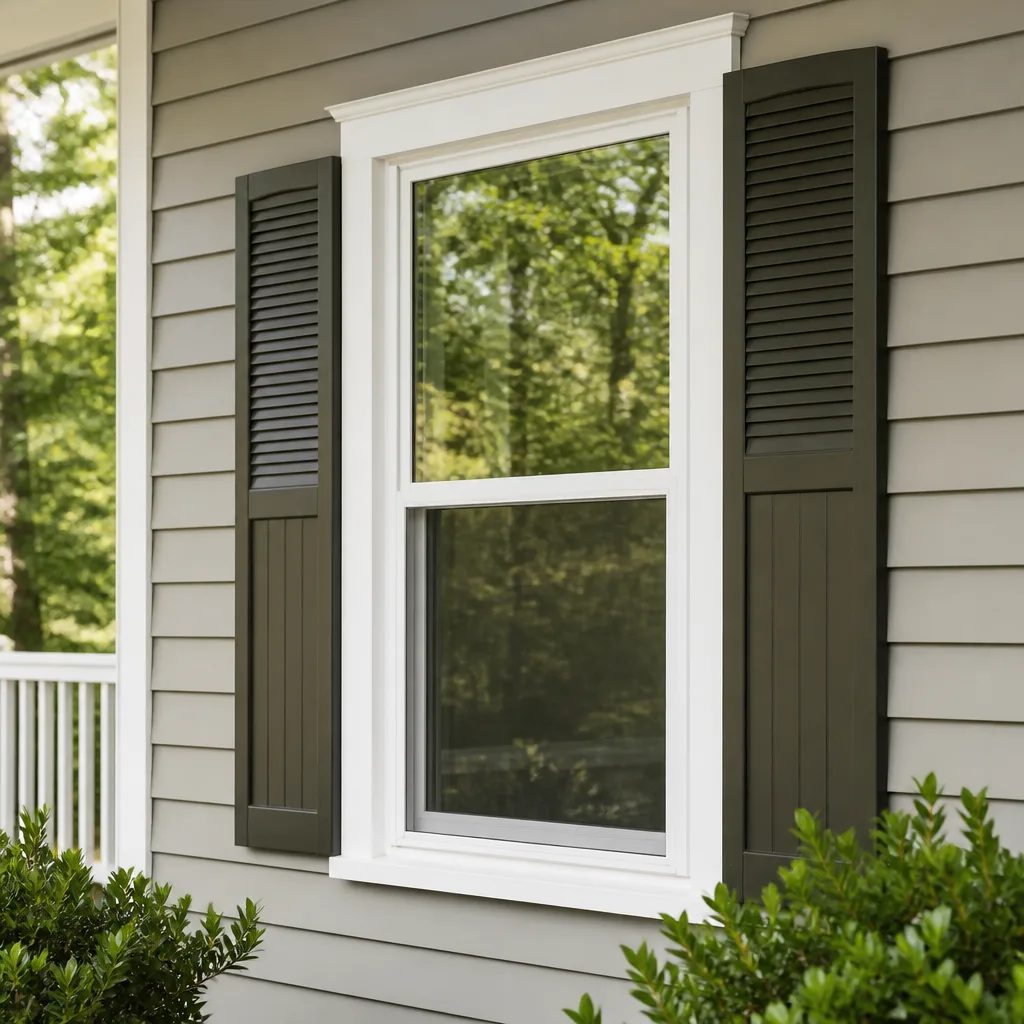 Single hung
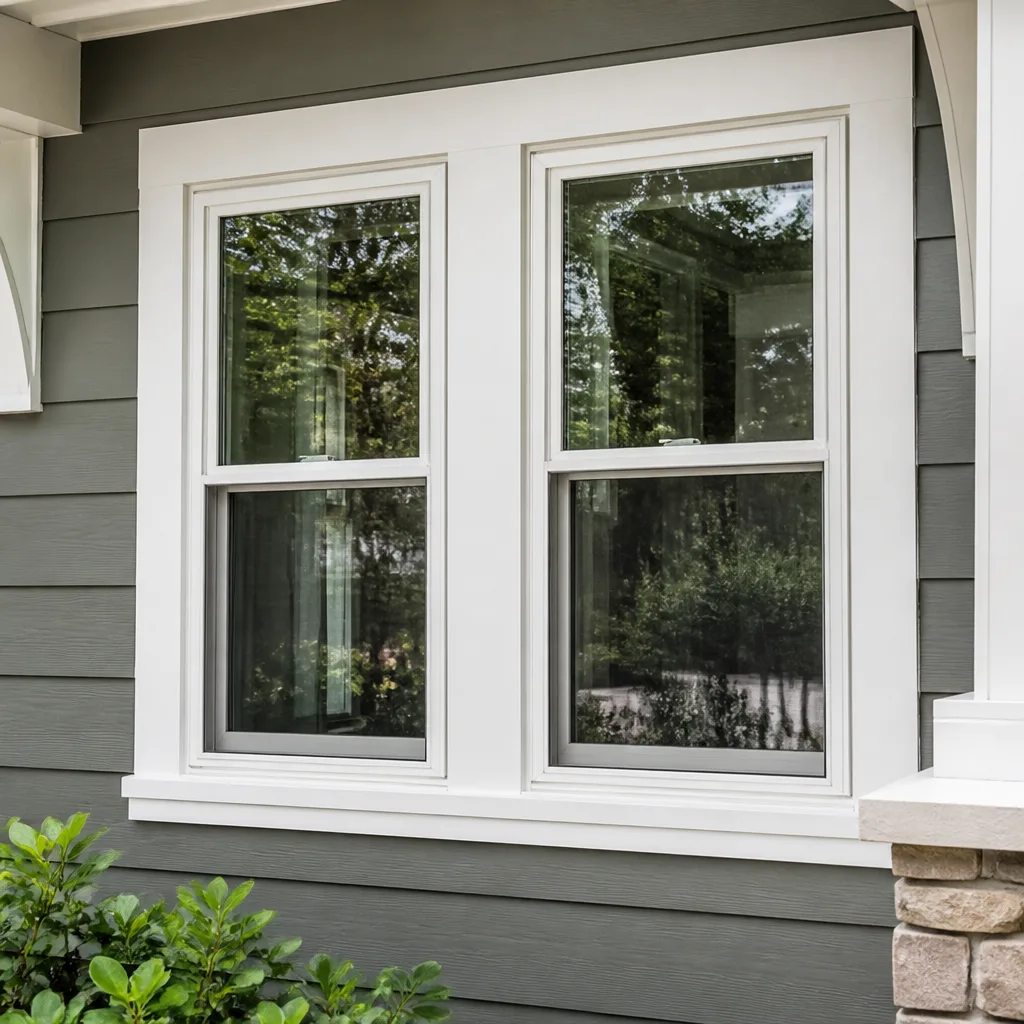 Double hung
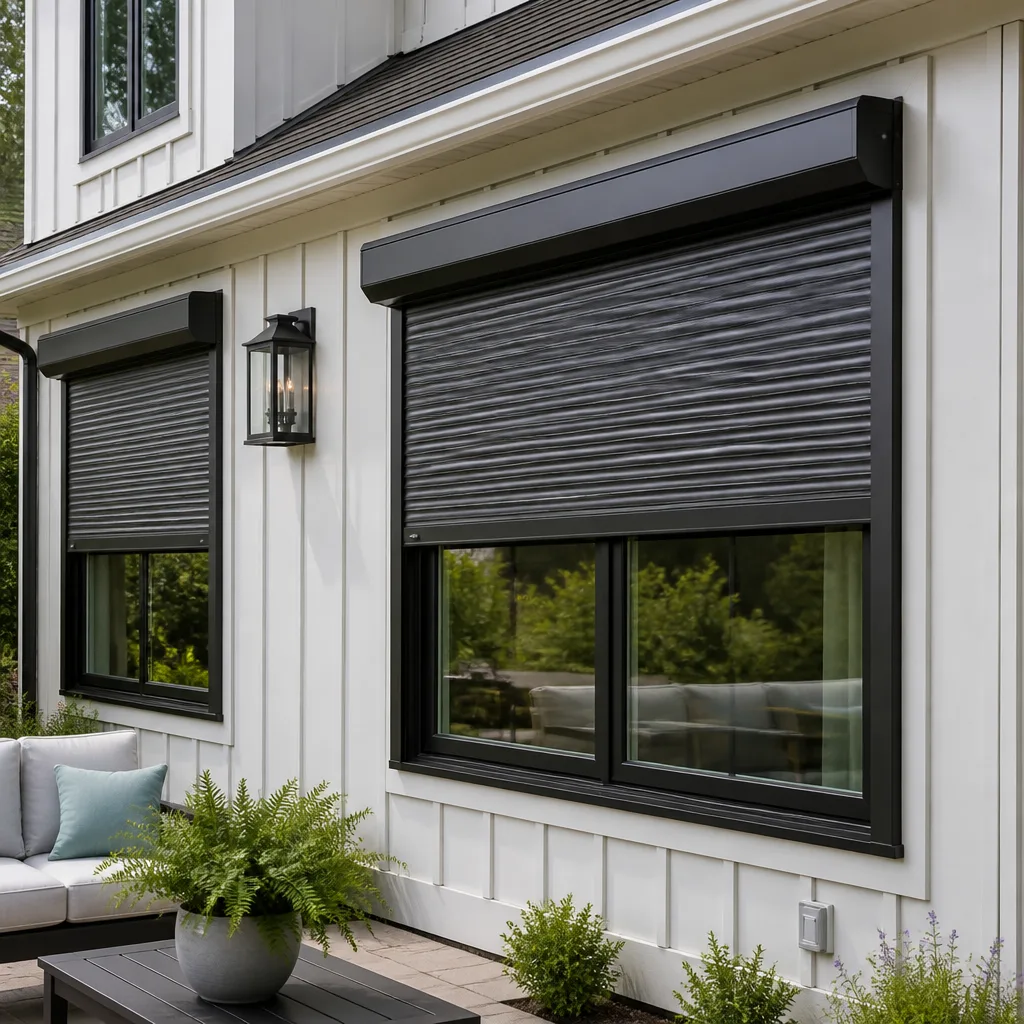 Horizontal roller
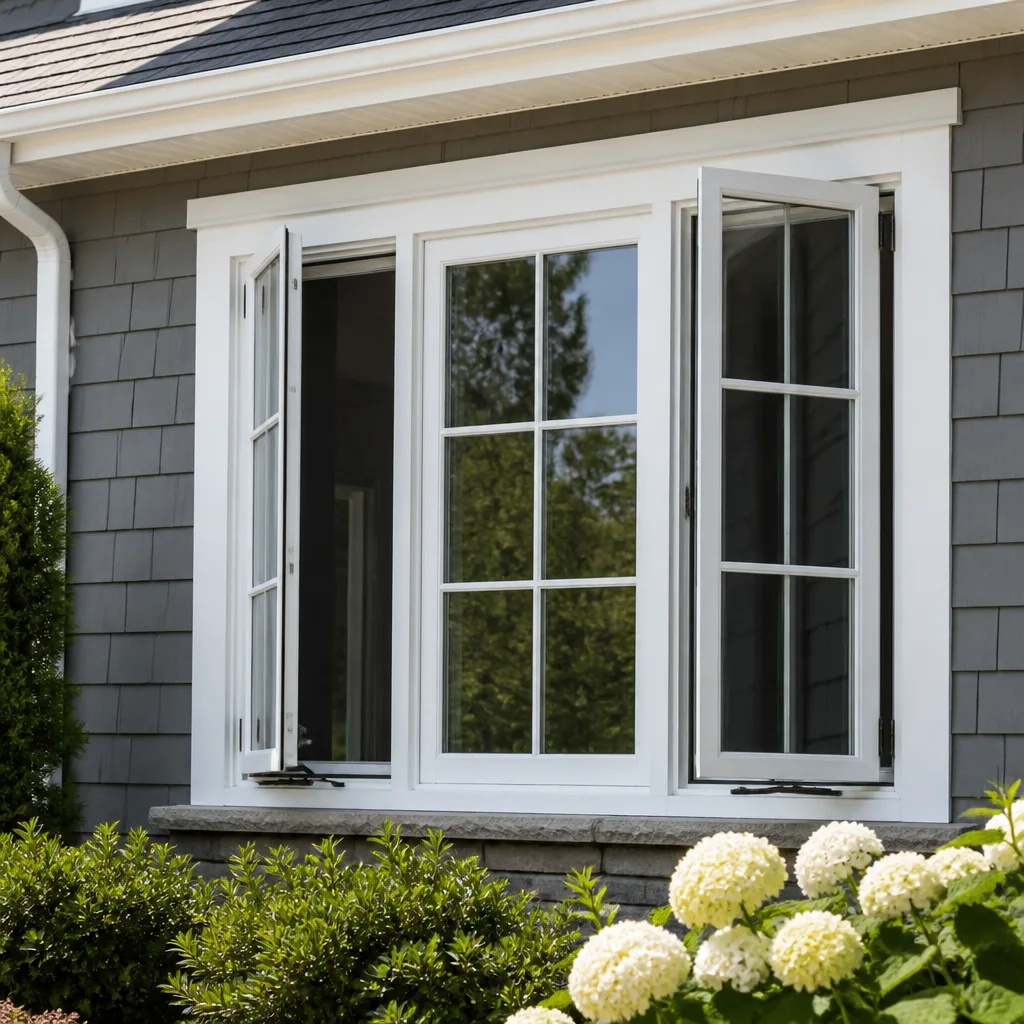 Casement
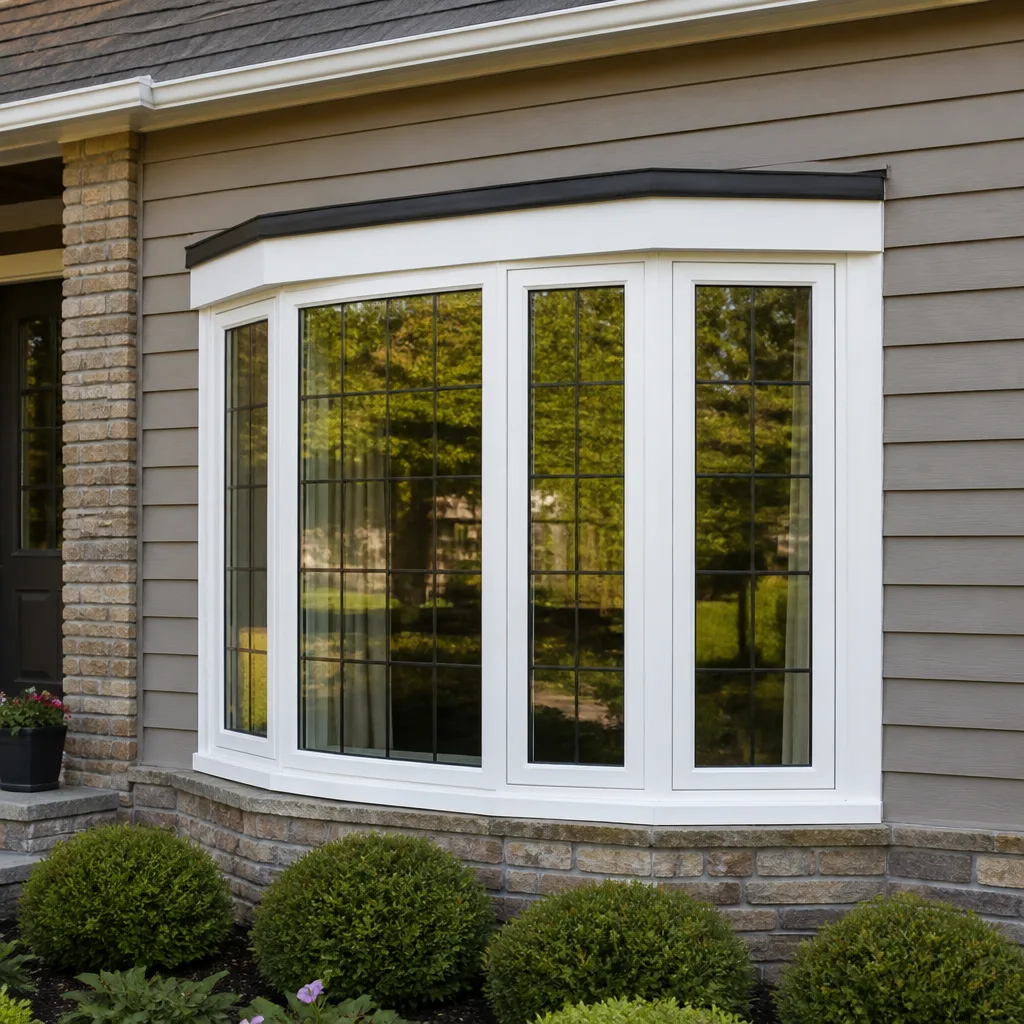 Bay & bow
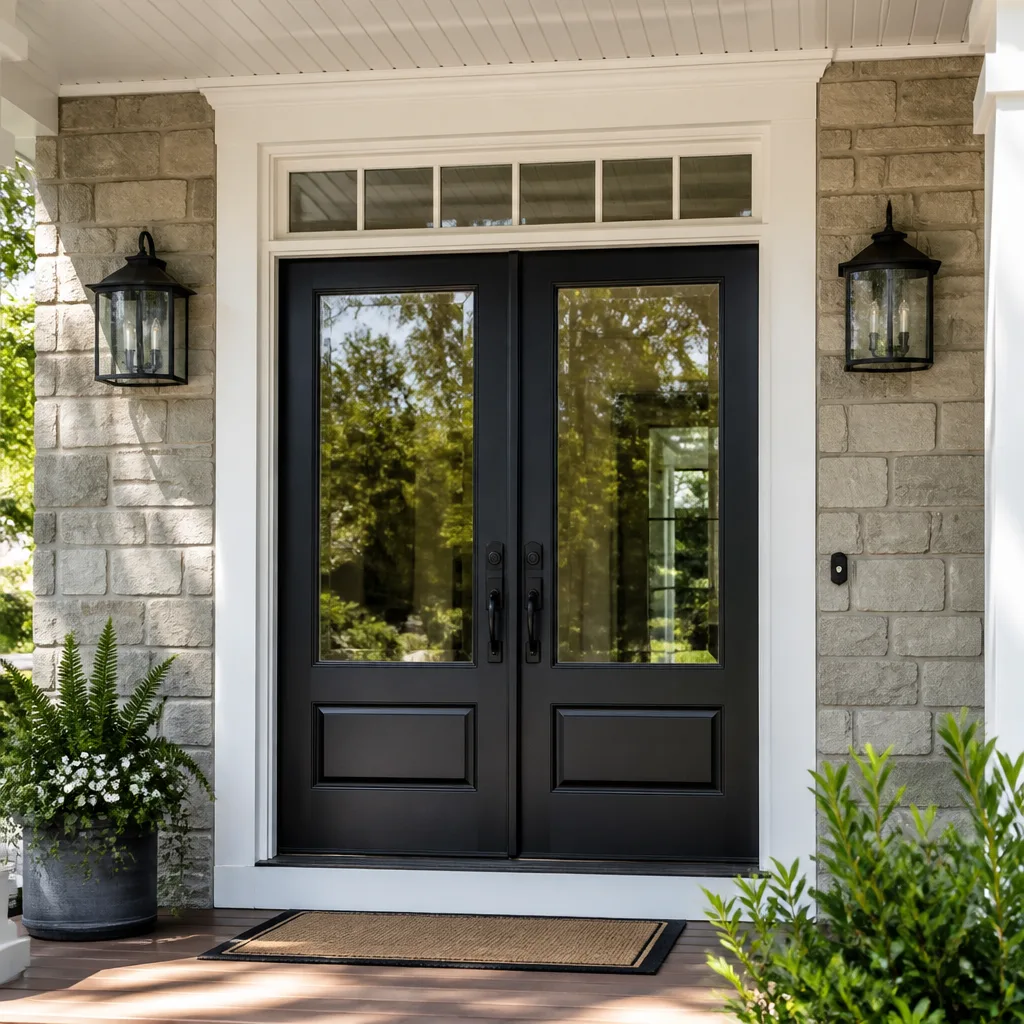 Entry doors
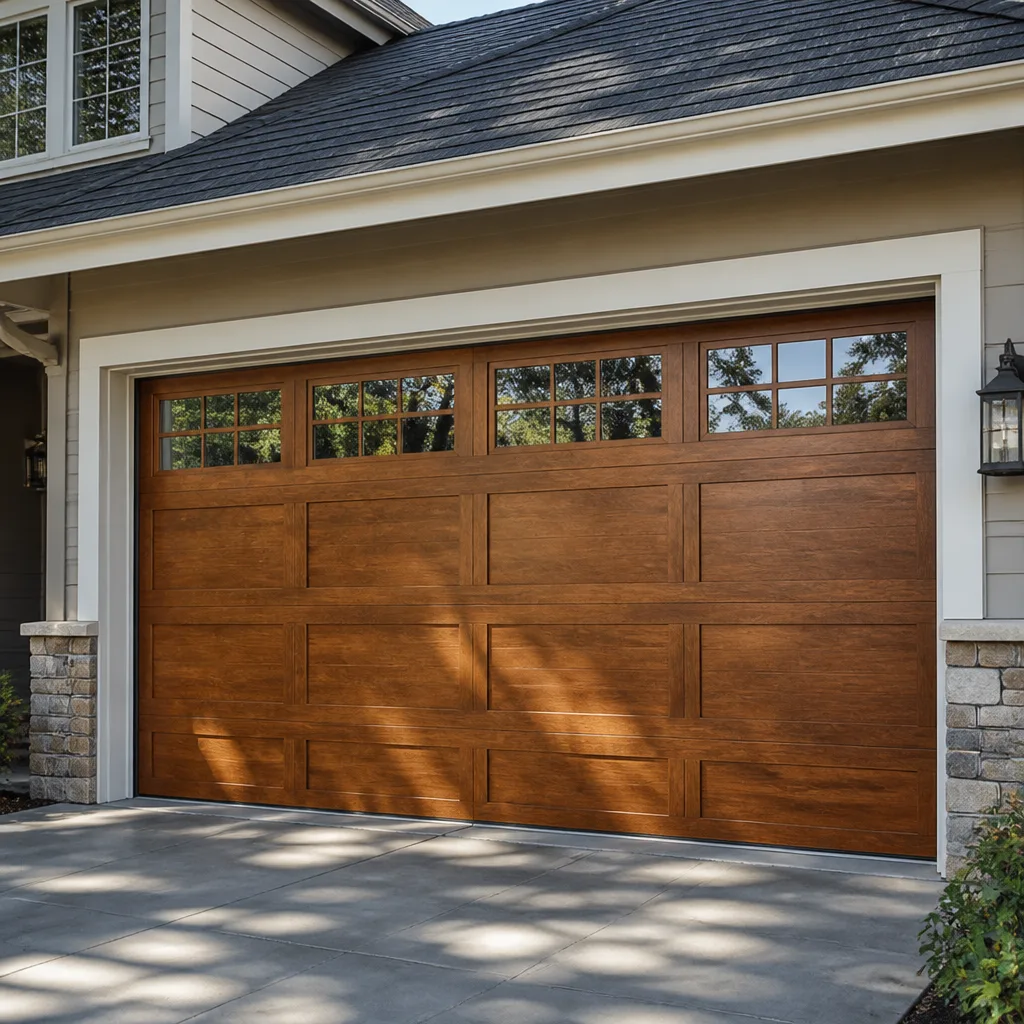 Impact garage doors
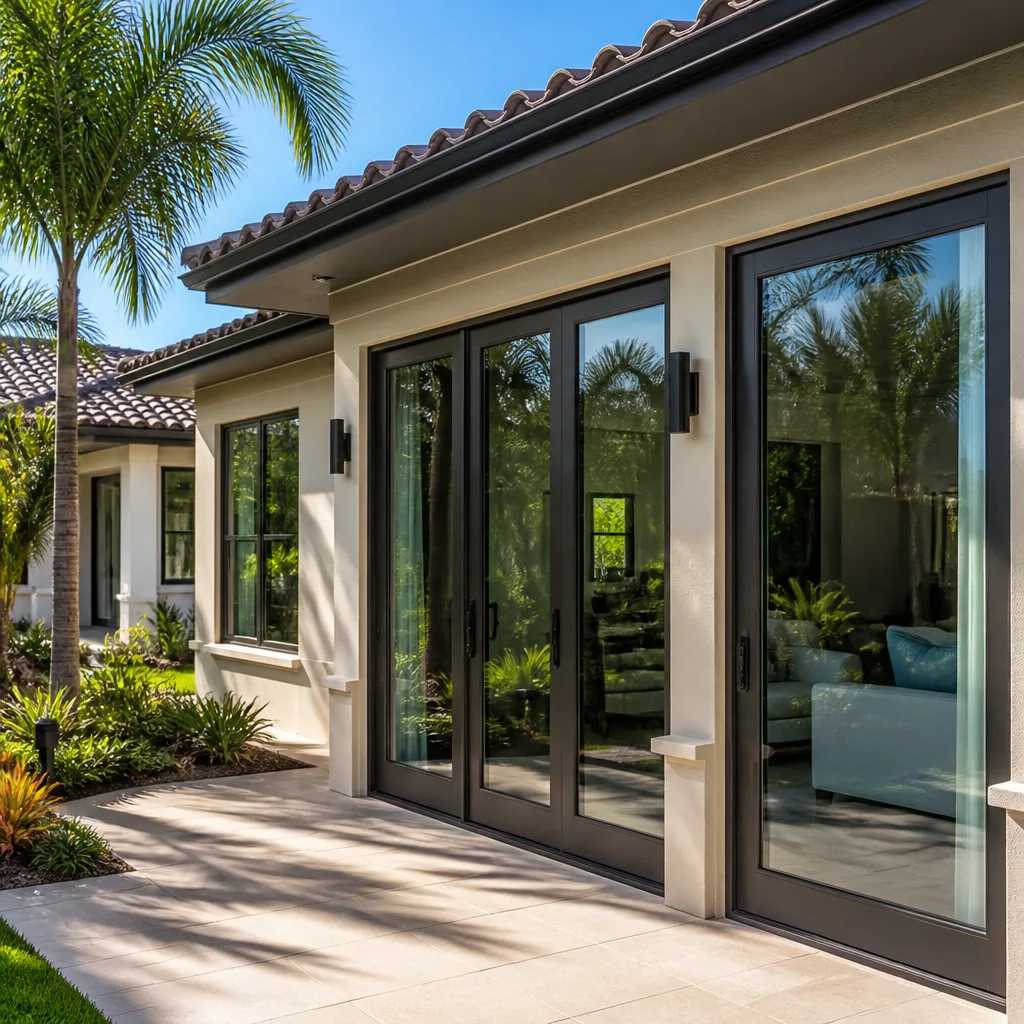 PGT
PGT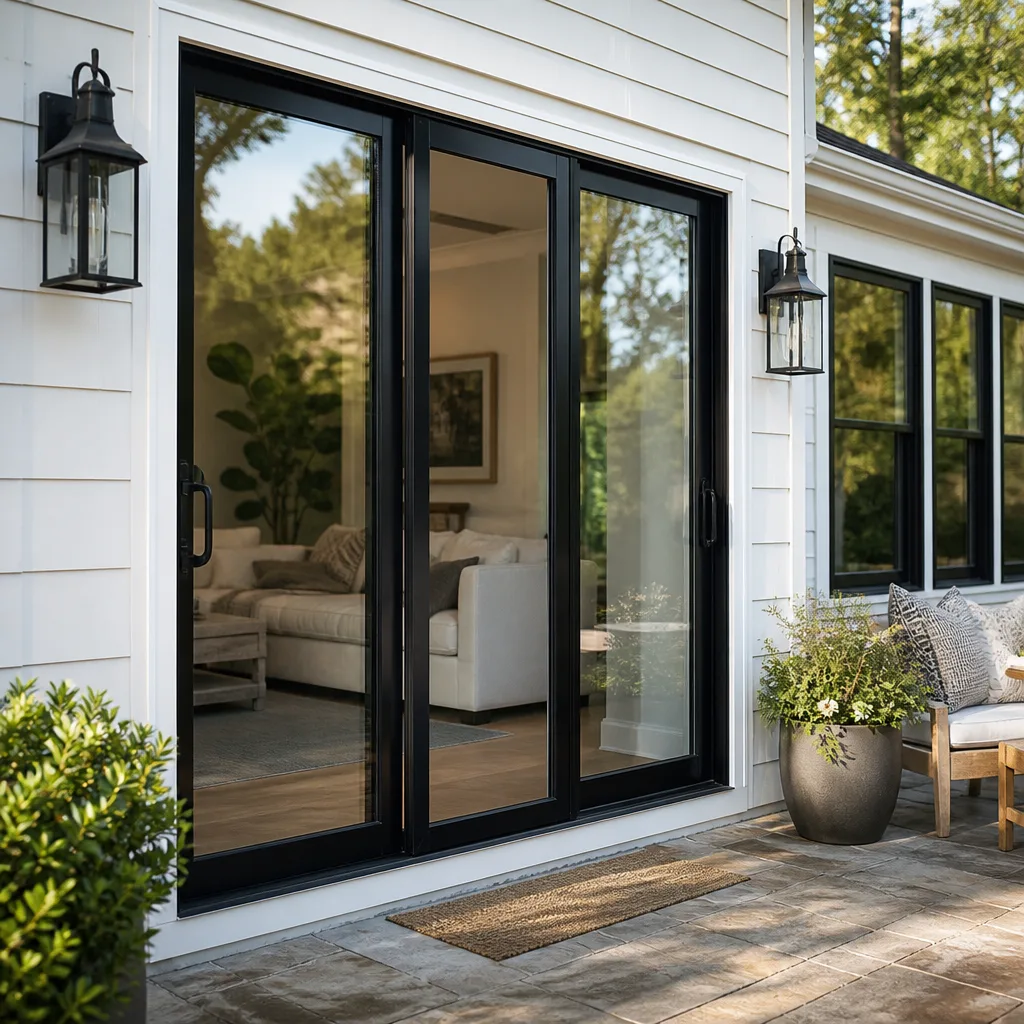 CGI
CGIFree in-home measure and quote - PGT, CGI and CWS impact lines compared on your actual openings, style by style
Get your free estimateStyles & brands we work with
See the difference
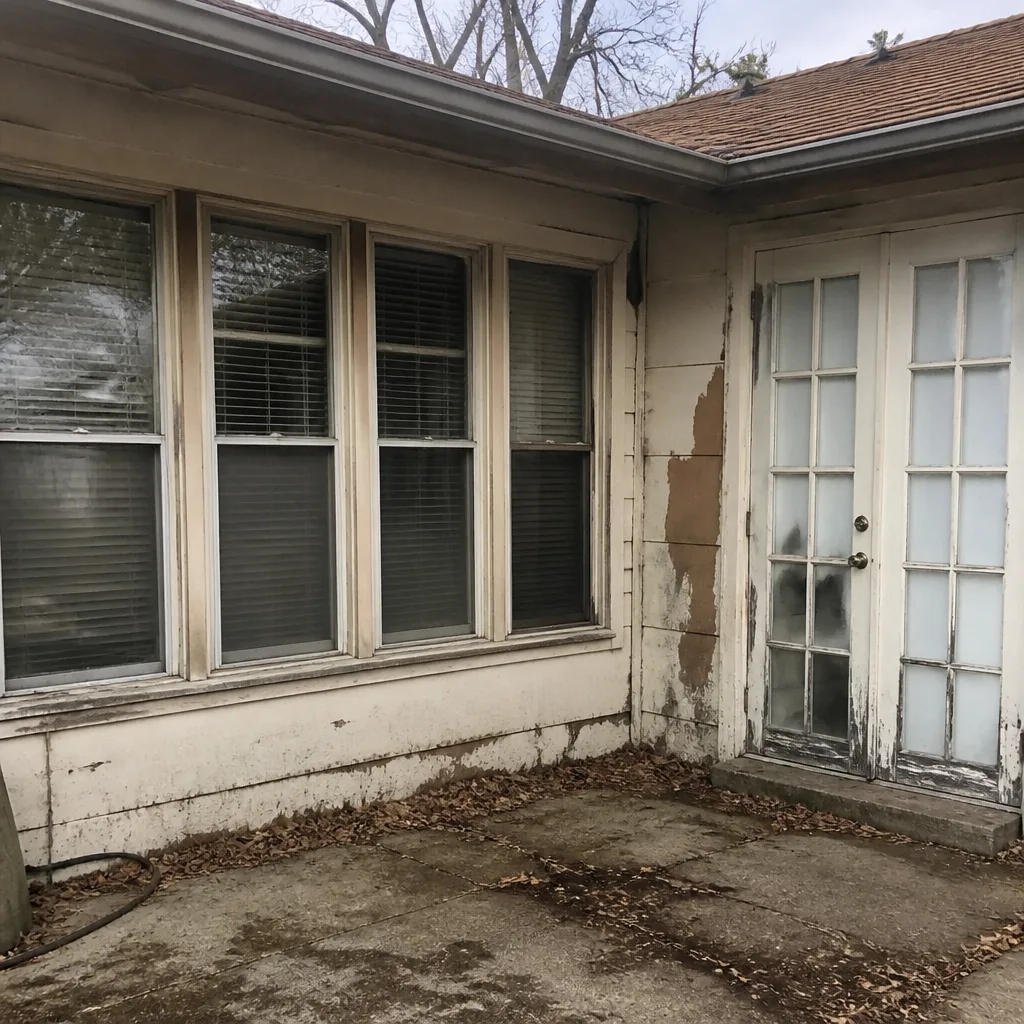 Before
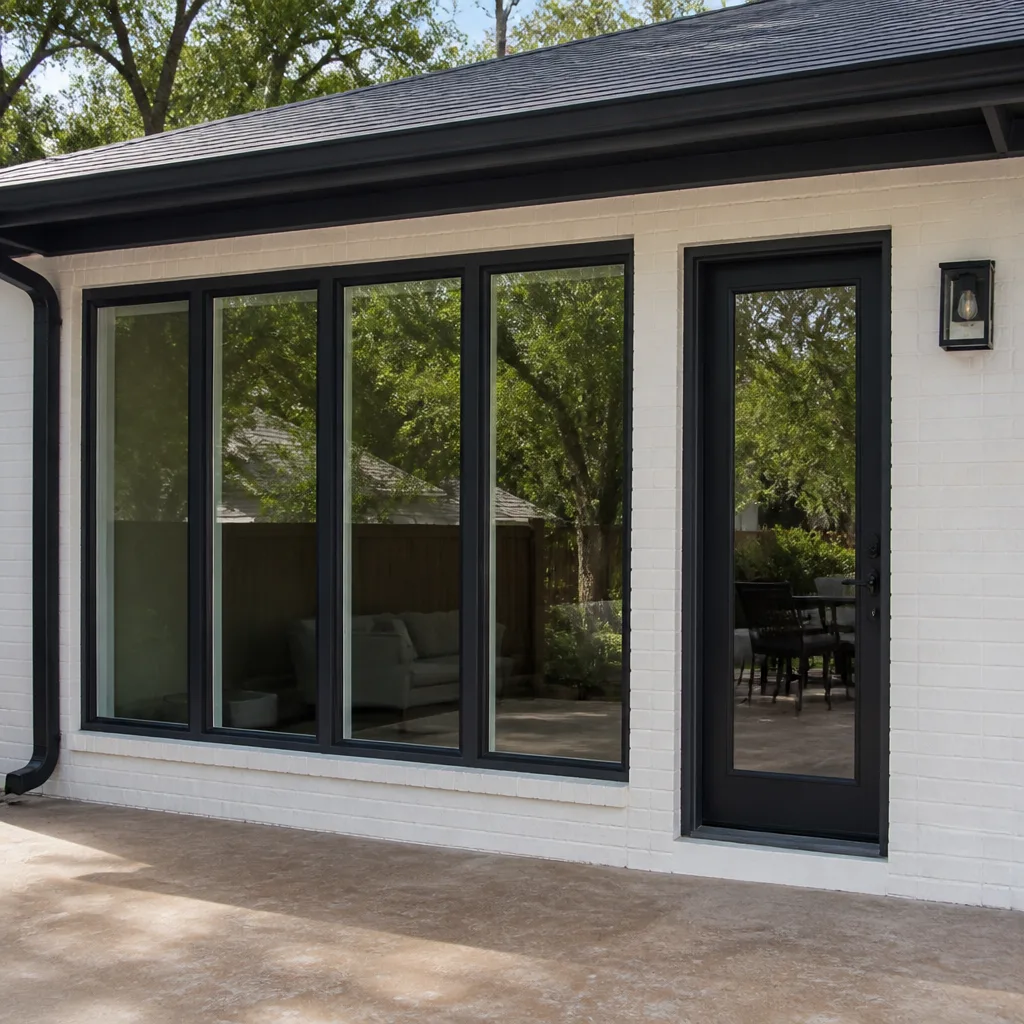 After
After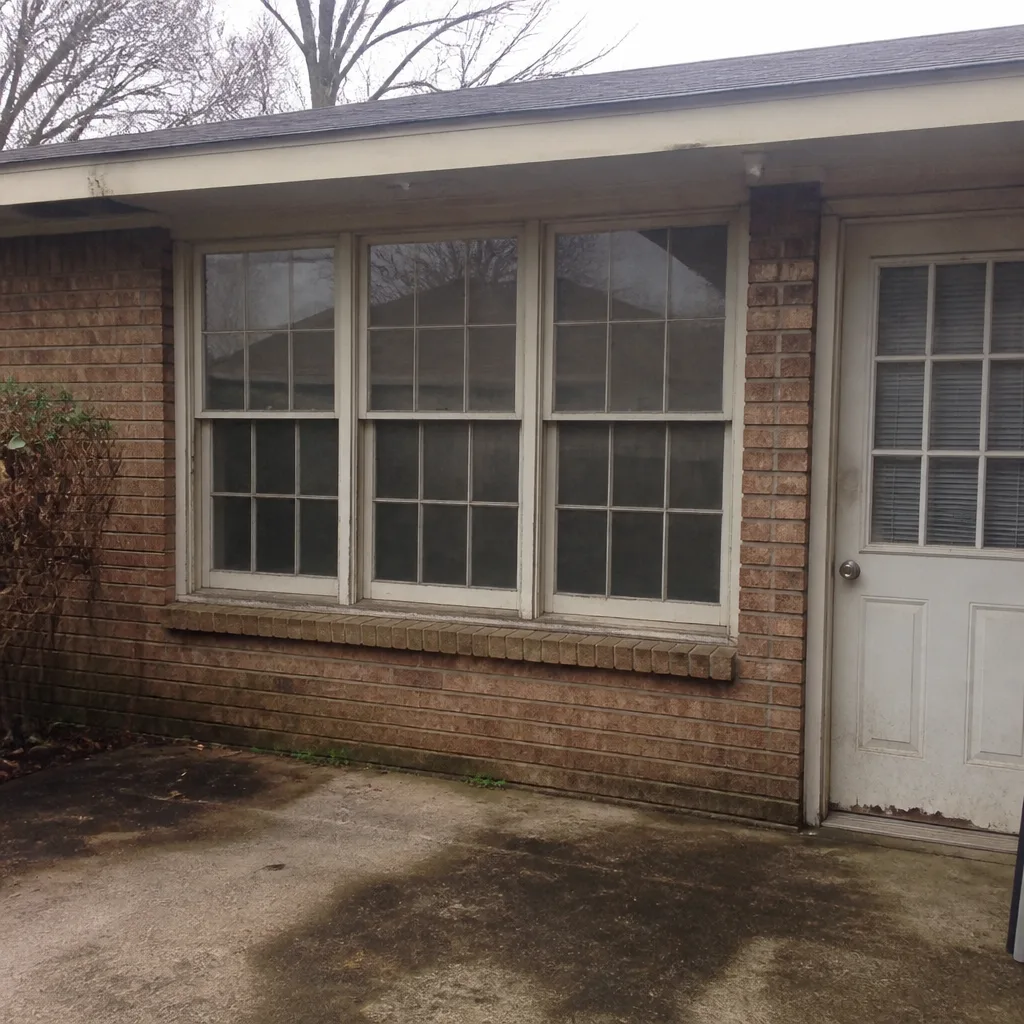 Before
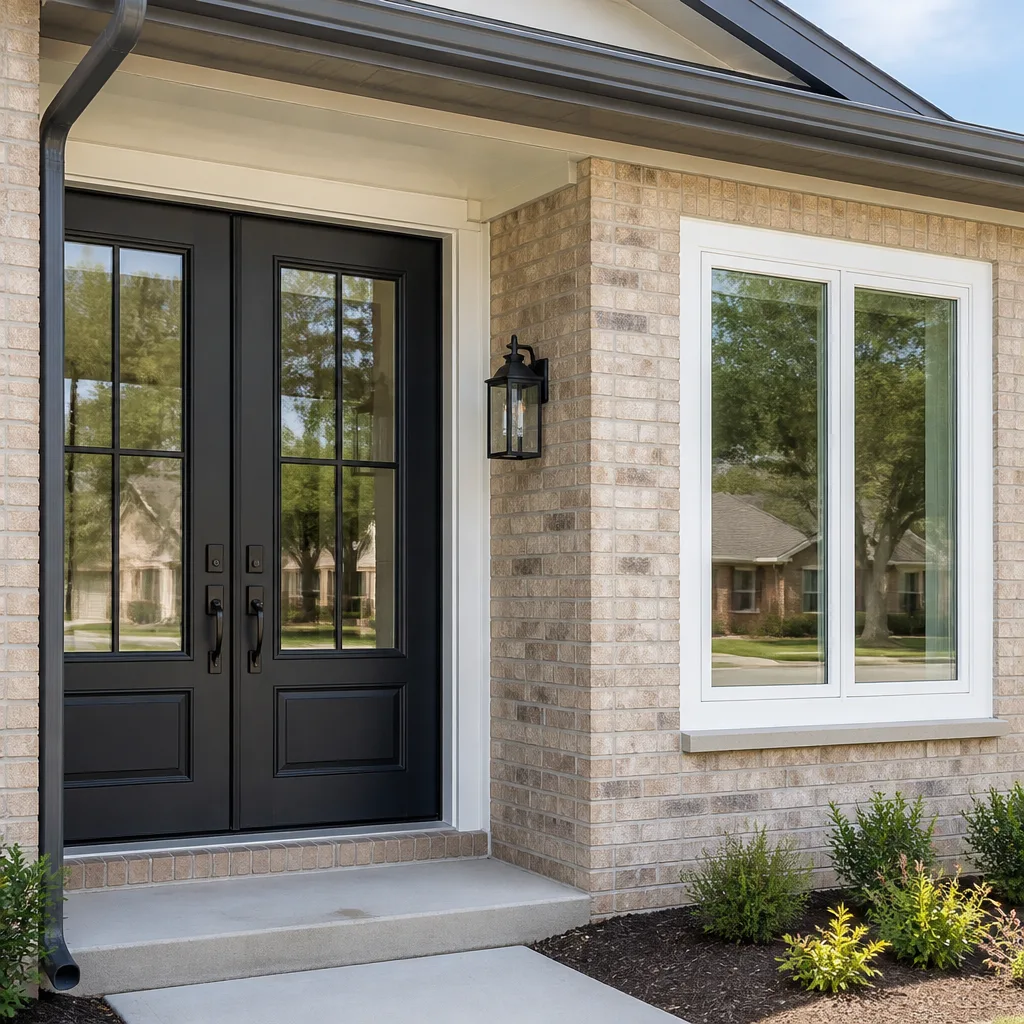 After
AfterHow Much Does Glass Railing Installation Cost in Fort Worth?
Glass railing installation in Fort Worth typically runs $180 to $340 per linear foot for a standard interior or exterior application, with most complete residential projects landing between $4,200 and $11,500. A straightforward frameless glass railing for a 20-foot balcony or stair run in a neighborhood like Tanglewood or Ridglea Hills usually comes in around $5,800 to $8,900 all-in, including materials, permits, and installation labor. These are real numbers from the Fort Worth market in 2026, not national averages stretched to fit.
The final figure depends on the glass type (tempered, laminated, or low-iron), the mounting system (frameless, semi-frameless, or framed), the lineal footage, and how much structural prep your deck, balcony, or staircase needs before the glass goes up. At home in Fort Worth, we put every price in writing before the first cut is made, so you’ll know the exact figure before the crew arrives.
Key Takeaways: Glass Railing Costs in Fort Worth
- $180 – $340 per linear foot is the typical installed range across Fort Worth for code-compliant glass railing.
- Cedar or treated-lumber decks in older homes (Fairmount, Arlington Heights, Mistletoe Heights) often need blocking or post reinforcement, adding $450 – $1,200 per project.
- Frameless systems cost 25 – 40% more than framed or semi-frameless because of thicker glass (typically ½-inch vs. ⅜-inch) and specialized hardware.
- Permits in Fort Worth for railing work run $75 – $250 depending on scope, and inspections are coordinated through the City of Fort Worth Development Services.
- Most Fort Worth glass railing jobs take 1 – 3 days for installation once materials arrive, with custom glass lead times running 2 – 6 weeks.
Glass Railing Installation Cost Breakdown (2026)
Here’s what you’re actually paying for when a glass railing goes in on a Fort Worth home. These ranges reflect local material pricing, prevailing labor rates for glazing and metalwork crews in Tarrant County, and the typical scope of work for residential projects in 2026.
| Line Item | Typical Cost (Fort Worth, 2026) | Notes |
|---|---|---|
| Tempered glass panels (⅜-inch) | $28 – $45 per sq ft | Most common for framed and semi-frameless systems. |
| Tempered glass panels (½-inch) | $42 – $65 per sq ft | Standard for frameless installations; heavier and stiffer. |
| Low-iron glass upgrade | Adds $10 – $18 per sq ft | Removes the greenish tint; popular for lake views in Eagle Mountain and Benbrook. |
| Laminated glass upgrade | Adds $22 – $38 per sq ft | Two layers bonded together; resists shattering and reduces noise. |
| Aluminum framing and hardware | $45 – $90 per linear ft | Posts, top rails, base channels, and standoffs. |
| Stainless steel hardware | $70 – $140 per linear ft | Spigots, clamps, and handrail brackets for frameless systems. |
| Installation labor | $55 – $95 per linear ft | Varies with mounting surface, access, and stair versus straight runs. |
| Permit and inspection | $75 – $250 | City of Fort Worth permit fees; inspection scheduling included in most quotes. |
| Deck or stair prep, blocking, reinforcing | $450 – $1,200 | Common on wood-framed decks in older Fort Worth neighborhoods. |
| Site prep and clean-up | $150 – $400 | Drop cloths, masking, debris removal. We include this in every written price, no add-on. |
If you’re replacing an existing railing rather than building new, demolition and disposal of the old rail adds $150 to $600 depending on whether it’s wood, cable, or aluminum. Some crews bury that line item; we show it to you up front, because the written price is the price, and that’s the point of our no-hassle upfront pricing approach. When you call (682) 900-6694, the estimate conversation includes every one of these items on paper.
What Affects Glass Railing Installation Pricing in Fort Worth
Every job is different because every Fort Worth home sits on different soil, different framing, and a different exposure to Texas weather. Here’s what actually moves the number up or down.
- Frameless versus framed systems. Frameless glass railing uses ½-inch or even ⅝-inch thick glass panels clamped into stainless steel spigots or a channel system along the floor. The glass itself costs 40% more per square foot than the ⅜-inch panels used in semi-frameless or framed systems, and the hardware is more expensive too. If your balcony overlooks the Trinity River or a pool, you’ll likely want frameless for the clear sightline, and it’s worth the premium if the view matters.
- Stairs versus straight runs. A straight deck run is the most economical geometry. Stairs require angled cuts, longer panels in some cases, and more precise hardware placement. Stair sections typically run $40 – $70 more per linear foot than a straight deck section, and in older homes in Fairmount where stair stringers have settled over 80 years, the measurements take longer because nothing is square.
- Wood-framed decks versus concrete or masonry. Homes built on a concrete balcony or masonry parapet, common in newer subdivisions like Walsh Ranch or Rolling Hills, can typically accept surface-mounted hardware without structural changes. A cedar deck or a 1950s-era wood balcony in Wedgwood or Mistletoe Heights often needs blocking added between joists or post reinforcement beneath the deck surface, which adds $450 to $1,200 per job. It’s not an upsell; it’s what keeps the railing anchored when a Fort Worth windstorm pushes on a 4-foot glass panel.
- Glass type and thickness. The minimum for safety is ⅜-inch tempered glass, which is what residential building code in Fort Worth requires for glass railing. If you want laminated glass (two tempered layers with a plastic interlayer), you add $22 to $38 per square foot. Laminated is the right call if your railing protects a staircase inside a two-story entry, where a fall could be catastrophic, or if you have kids who might test the strength of anything they can reach. Low-iron glass, which removes the subtle green tint in standard float glass, matters when the view is the point. On a second-floor deck facing west toward the sunset over Benbrook Lake, low-iron is the difference between warm golden light and a slightly green wash over everything.
- Access to the job site. A second-story deck with ground-level access is straightforward. A third-floor balcony on a Fort Worth townhome, or a railing inside a courtyard only reachable through the house, adds material handling time. Crews carry panels by hand, use them gently through doorways, and need somewhere clean to stage the glass. Tight access adds $200 to $500 in labor to a typical job, and it’s cheaper to mention it before the crew arrives than to improvise on the day.
- Permit fees and inspection timing. Fort Worth requires building permits for structural railing work, and the fee depends on the project valuation. For most residential glass railing projects, the permit runs $75 to $250. Inspections are scheduled through the City’s online portal, and a job can’t close properly until it passes. Our crews coordinate the inspection as part of the install, and we don’t call a job finished until it’s signed off.
How to Save on Glass Railing Installation
The honest way to save money on glass railing without cutting corners on safety or appearance:
- Choose semi-frameless over frameless. Semi-frameless uses vertical posts (aluminum or stainless) with glass infill panels between them. It reads nearly as clean as frameless, costs 25 – 40% less per foot, and still meets Fort Worth residential code. For a deck where the view is good but not the main event, semi-frameless is the value play.
- Do the permitting legwork yourself. Not everyone wants to navigate the City of Fort Worth’s Development Services portal, but if you’re comfortable submitting drawings and paying the permit fee online, you can save a coordination fee of $100 to $300. Most homeowners let us handle it because the paperwork is part of the written estimate, and you’ll know exactly what the permit cost before approving anything.
- Replace in the off-season. Glass railing is a year-round install in Fort Worth (we don’t have a true frozen season), but between November and February, demand softens after the holiday build-out period. Scheduling during January or February can sometimes yield a $200 to $500 labor discount because crews have fewer jobs in the queue. It’s not a gimmick discount; it’s a scheduling reality.
- Bundle with a window or door project. If you’re already replacing windows or a patio door, glass railing for the deck right outside that door shares mobilization costs, site prep, and the clean-up pass. The combined quote is lower than two separate visits would be. It also means one background-checked crew, one set of shoe covers in the house, one clean-up photo at the end.
The biggest savings, though, is not needing a second crew to fix the first one. Every Lightwell job is covered by the 365-Day Done Right Promise: if the finished work is not right, we make it right without debate, and the promise is stamped on the project. Re-do work from a different contractor is the most expensive glass railing there is. Call (682) 900-6694 for a written estimate before you commit to any number.
What the Estimate Includes (So You Can Compare Quotes)
When comparing bids from Fort Worth glass railing companies, ask these questions. A transparent contractor will answer all of them on the spot. A vague one will change the subject.
- Is the glass quote for ⅜-inch or ½-inch? Is it tempered, laminated, or both? The glass thickness must be specified. If a bid says “glass panels included” without thickness and type, the quote is not real.
- Does the price include permit fees, or is that separate? Some companies quote installation only and float the permit as a “city fee” later. The written price should include every city fee attached to the project.
- Who handles the inspection? If the answer is “you do,” you’ll be coordinating with the City of Fort Worth, waiting for an inspector, and possibly re-scheduling. We handle inspection scheduling on railing jobs as a standard part of the install.
- What protects the rest of the house during installation? The answer should include shoe covers, drop cloths, floor protection, and a clear plan for walking glass panels through a finished home without touching the walls. Our crews follow the C.A.R.E. values on every job: Clean up like it is our own home, Ask before we move or touch anything, Respect your family’s time and quiet hours, and Explain the price before the work. If a contractor can’t tell you their clean-up protocol, the dust will tell you later.
Fort Worth Glass Railing: Local Factors You Should Know
Fort Worth brings specific conditions to glass railing work that visitors from Dallas or Arlington don’t always think about first. Here’s what matters on the ground here.
Wind Load and Glass Thickness
Fort Worth sits on the eastern edge of the Tornado Alley corridor, and our straight-line wind events in spring push sustained loads into railing panels that are laminated over a stone surface. Building code in Tarrant County requires glass railing to be engineered for local wind loads, which is why you’ll occasionally see a required ½-inch panel where a ⅜-inch panel would be legal in Houston or San Antonio. The wind load calculation is part of the permit submission. It costs a little more for thicker glass, and it’s the reason a railing doesn’t whistle or flex in a March thunderstorm.
Clay Soil and Deck Movement
Fort Worth sits on expansive clay soil with a high shrink-swell capacity. In neighborhoods like Wedgwood, Tanglewood, and the TCU area, slab and deck movement is a seasonal fact of life. A glass railing mounted to a deck or balcony needs to tolerate small movements without cracking the panel or loosening the hardware. That means using flexible setting blocks inside the channels and leaving correct expansion allowances at each panel end. It’s a small detail that shows up years later as the difference between a railing that stays tight and one that starts clicking in the first September heat wave.
Heat, Expansion, and Glass Specifications
Tempered glass expands in direct Fort Worth sun. On a west-facing deck that catches the full afternoon from May through September, the surface temperature of a clear glass panel can hit 145 degrees Fahrenheit. The aluminum or stainless hardware expands at a different rate than the glass, which is why the mounting system must use rubber setting blocks and gaskets rated for continuous heat rather than flat metal-on-glass contact. This is also the reason we recommend a phone call rather than a DIY install. Glass railing systems under a hot Texas sun are not a forgiving surface for mistakes, and a shattered tempered panel during installation is a serious injury risk. This is one place where a trained glazing professional is not a convenience; it’s the difference between safe and not safe.
Powder-Coated Aluminum vs. Stainless in Texas
Powder-coated aluminum holds up well in Fort Worth’s dry heat and doesn’t conduct heat as aggressively as stainless steel to the touch. Stainless steel hardware is stronger and offers a more minimal sightline, but it gets hot in direct sun and can be uncomfortable to grip on a second-story balcony. Most of our Fort Worth clients choose a powder-coated aluminum top rail with stainless steel clamps hidden below the glass. If you’re going full frameless, the spigot hardware at the base is stainless, and the top edge stays exposed glass for the cleanest sightline.
Complete Project Examples (What You’ll Actually Pay in Fort Worth)
Here are three typical Fort Worth glass railing projects with the kind of detail that makes estimating useful.
Example 1: 20-foot straight balcony, semi-frameless, second story, wood deck. A 20-foot balcony on a 1990s home in Tanglewood, with cedar decking over a wood frame. We added structural blocking beneath the deck surface ($650), installed a semi-frameless system with powder-coated aluminum posts and ⅜-inch tempered glass, and handled the permit and inspection. Total installed cost: $7,100 to $8,400, all items included.
Example 2: 14-foot interior stair railing, frameless, single-family home in Walsh Ranch. An interior stair in a new-build home, 14 linear feet of frameless ½-inch tempered glass in a continuous base channel. No structural prep needed because the stair is concrete core over steel. Clean sightlines, one day of installation, permit and inspection included. Total installed cost: $4,400 to $5,200.
Example 3: 32-foot curved deck railing, frameless, concrete balcony, Benbrook lake view. A 32-foot curved exposed concrete balcony overlooking the lake, requiring templated curved glass panels, low-iron glass, and stainless steel spigot mounting. Curved glass costs more per foot because each panel is cut and tempered to a radius, not a straight line. Total installed cost: $13,800 to $16,500, including custom fabrication, low-iron upgrade, permits, and installation.
Every one of these figures is a Fort Worth price, not a Texas state average or a national web estimate. They come from jobs like the ones we estimate and install for homeowners in this city. If you’re planning a run of 10 feet or 40 feet, call (682) 900-6694 and we’ll send a written estimate that matches your actual deck, stair, and view.
FAQs – Glass Railing Installation Cost
How much does glass railing cost per linear foot in Fort Worth?
Glass railing installation in Fort Worth costs $180 to $340 per linear foot installed, including glass, hardware, labor, and basic permit fees. Framed systems sit at the lower end; frameless systems with ½-inch tempered glass and stainless hardware sit at the higher end. Call (682) 900-6694 for a written quote on your exact linear footage, and you’ll get a number before any work starts.
Is it cheaper to repair or replace an existing glass railing?
If a single glass panel is chipped, cracked, or shattered, replacement of that panel runs $300 to $900 depending on thickness and size, which is far cheaper than replacing the entire run. However, if the hardware is corroded, posts are loose, or the system doesn’t meet current Fort Worth wind load code, replacement is often the only safe option. A full replacement generally runs $180 to $340 per linear foot. We can inspect the existing railing and tell you directly what’s salvageable before you spend anything.
What’s the difference in cost between framed and frameless glass railing?
Frameless glass railing costs 25% to 40% more than a framed or semi-frameless system. On a typical 20-foot balcony, a semi-frameless system might run $4,500 to $6,200, while a fully frameless system in the same space typically runs $5,900 to $8,400. The price difference comes from thicker glass (½-inch vs. ⅜-inch) and more expensive stainless attachment hardware. If you want the cleanest view and your budget allows it, frameless is worth the premium.
Can you install glass railing on a wood deck in Fort Worth?
Yes, but the deck structure must be evaluated first. Most older wood decks in Fort Worth neighborhoods like Fairmount, Mistletoe Heights, and Wedgwood need additional blocking or post reinforcement to anchor the railing hardware properly, which adds $450 to $1,200 per project. The original deck framing was built for a wood railing, not the lateral load that a glass panel system transfers. We inspect the deck before quoting so the reinforcement cost is in the written estimate, not discovered mid-project.
How long does glass railing installation take in Fort Worth?
A typical straight-run glass railing of 20 to 30 linear feet installs in 1 to 2 days once materials are on site. Custom glass, especially curved panels or low-iron glazing, has a fabrication lead time of 2 to 6 weeks before installation day. The on-site portion is the fast part. Planning, measurement, and glass fabrication are what occupy the calendar. Call (682) 900-6694 to check current lead times for the glass type you’re considering.
Do I need a permit for glass railing in Fort Worth?
Yes. The City of Fort Worth requires a building permit for glass railing that serves as a structural guard or stair guard, which is almost all residential glass railing applications. Permit fees run $75 to $250 depending on project valuation. The glass must be tempered and the system must be installed to meet local wind load requirements. We include the permit in the written estimate and coordinate the inspection so the job closes cleanly.
Your Glass Railing, Priced Before We Touch Anything
A glass railing changes the way light moves through your deck, balcony, or staircase. It opens a sightline, pulls the outside into the home, and adds daily moments of clarity that a wood or cable rail simply can’t. A light well is what brings daylight deep into a building, and that is what a well-installed glass railing should do for your home.
Keith Yamada and the team at Glass Railing Installation in Fort Worth are the people you’ll talk to from estimate through inspection. This is an independently owned and operated home in the Cedarwell network, carrying the Cedarwell Care Promise since 2010. Shoe covers and drop cloths on every visit. Background-checked, uniformed technicians who explain the price before the work. A photo of the clean-up before the crew leaves. And a live person answers the phone 24/7, because when something’s wrong with a new install, you shouldn’t get a recorded menu.
Call (682) 900-6694 for a free, written estimate on your glass railing project. We’ll measure, inspect the mounting surface, walk you through glass options and their prices, and put the complete number in front of you before any work begins. No surprises at the end. Just the railing you wanted, at the price you approved, cleaned up like it was never there except for the view.
Written by Keith Yamada, Owner at Lightwell Windows Fort Worth, serving Fort Worth since 2010.
Pricing reflects the Fort Worth market as of 2026. Lightwell Windows Fort Worth offers free estimates – call (682) 900-6694.
Six Reasons Homeowners Choose Lightwell Windows Fort Worth
Laminated glass and reinforced frames hold up to wind-driven rain, hail and flying debris, so your openings stay sealed when the weather turns.
Low-E insulated impact glass from our manufacturer lines commonly cuts monthly cooling bills 20-30%.
Laminated impact glass shuts out up to 40% of outside noise - traffic, neighbors, weather.
Monitoring services run $30-90 a month. Laminated impact glass resists forced entry around the clock, with no subscription.
Tighter seals and insulated glass even out hot and cold rooms and stop the drafts at the frame.
A full impact package upgrades curb appeal, buyer confidence and appraised value in one project.
Other Lightwell Windows Fort Worth Services
What Neighbors Say About Lightwell Windows Fort Worth
What Our Customers Say
"They replaced a big foggy picture window. Careful with the furniture, laid down protection, and left no mess at all. Calm and respectful crew, and the view is clear again."
- Teresa Okafor"Replaced six windows. The crew laid runners through the house and vacuumed each room as they finished. With a crawling baby, that no mess thing meant a lot. Windows are gorgeous."
- Rosalind Kemp"Quiet, considerate install of several windows. They cleaned the glass and the sills and vacuumed every room. You'd never know a crew had been through. House is quieter and brighter."
- Brent Sakamoto