
Last updated October 17, 2026
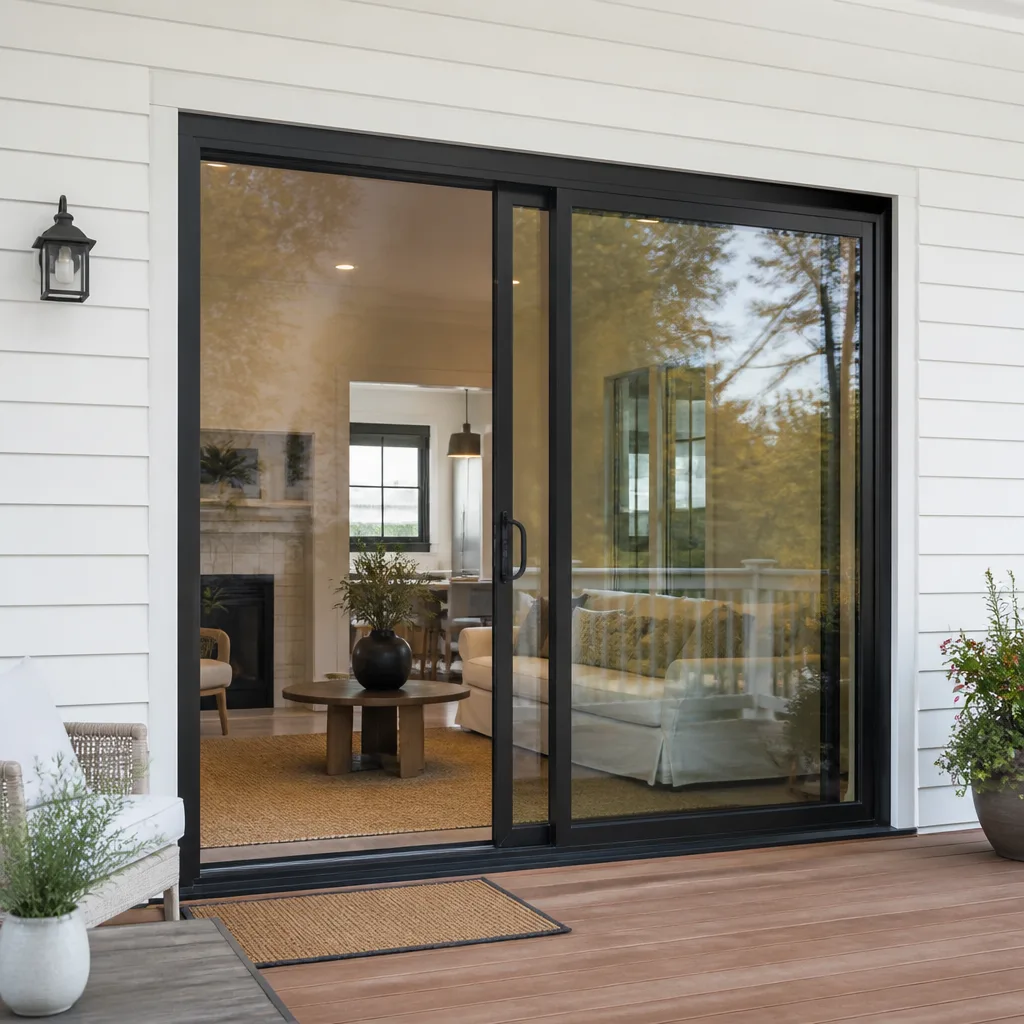 Sliding glass doors
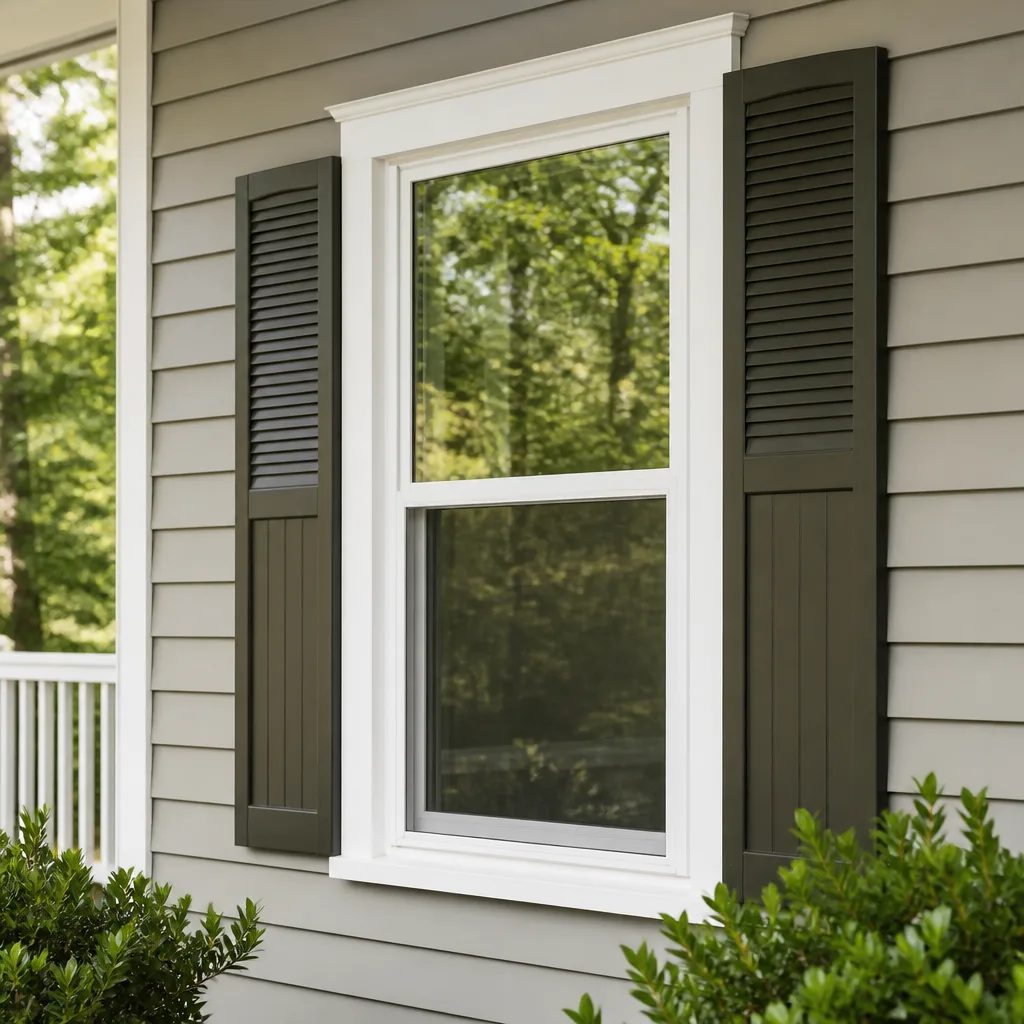 Single hung
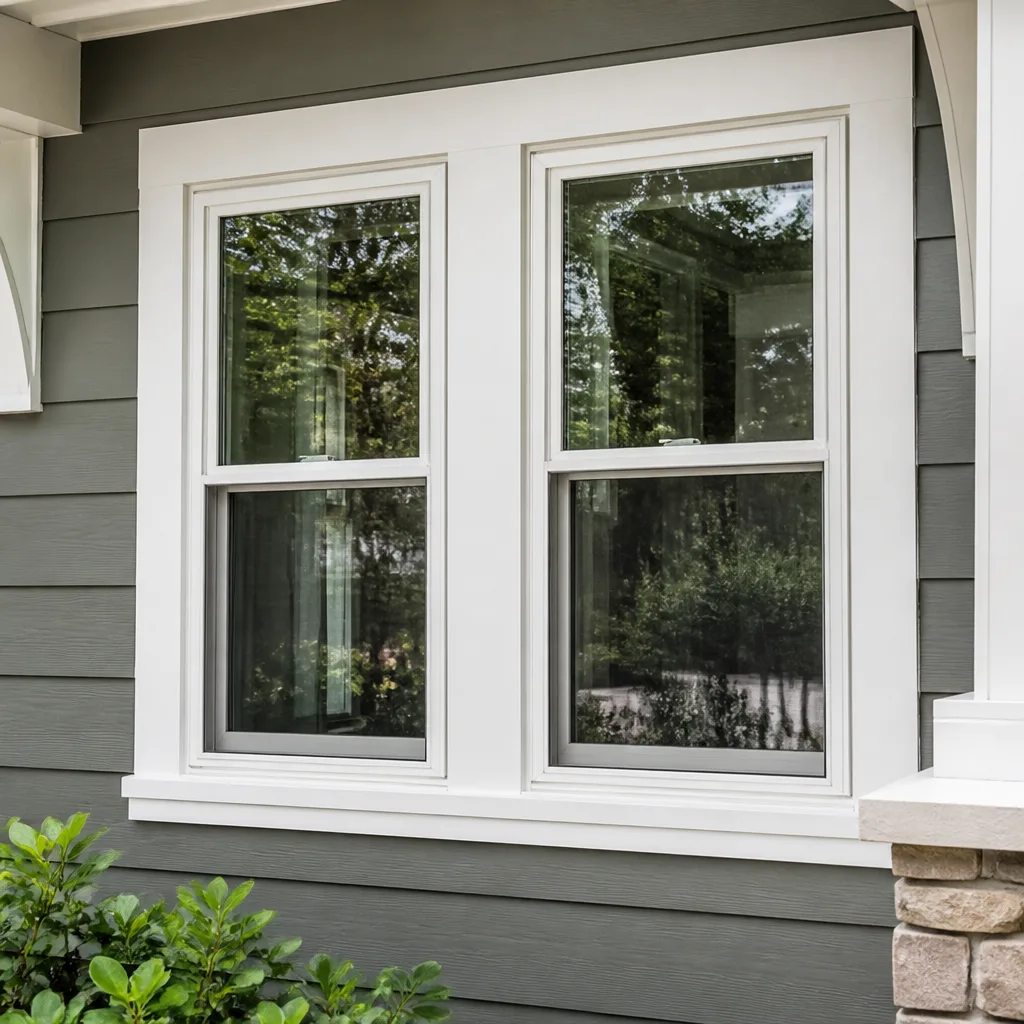 Double hung
 Horizontal roller
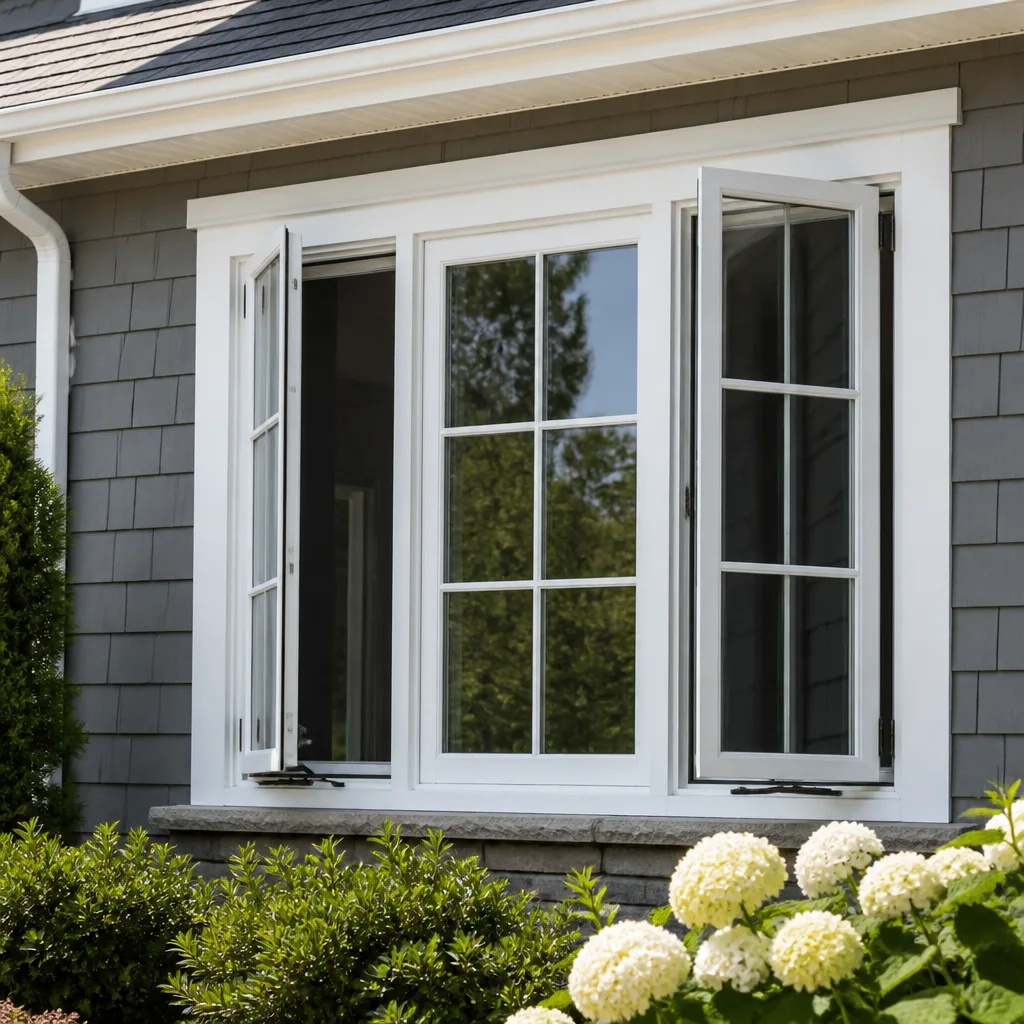 Casement
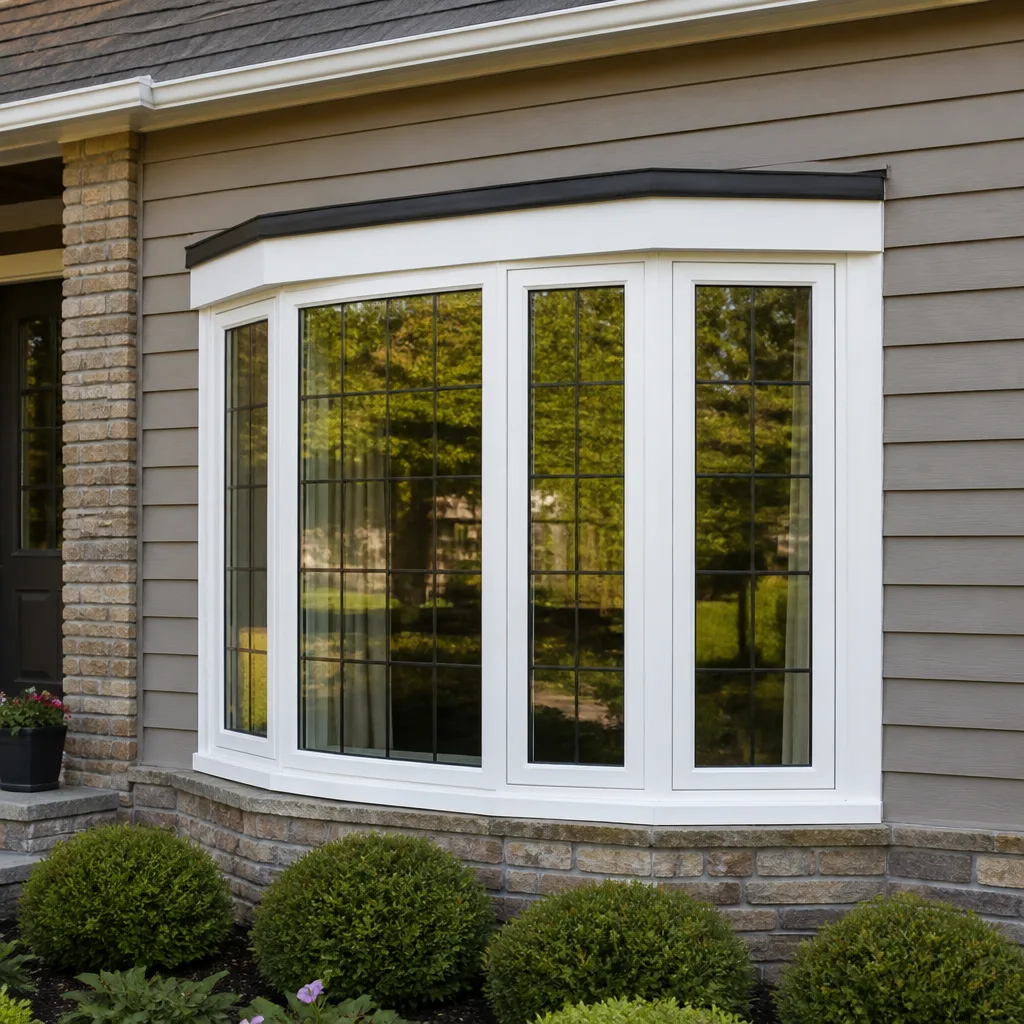 Bay & bow
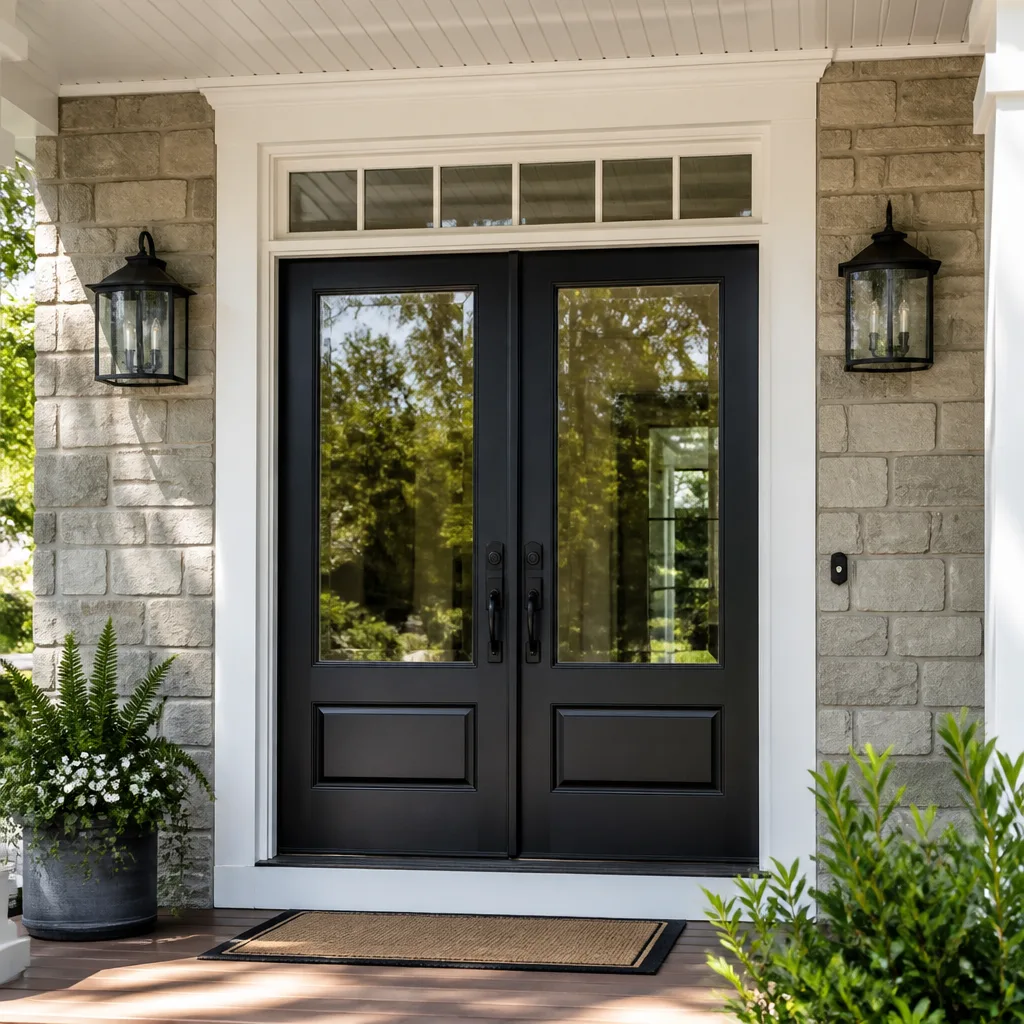 Entry doors
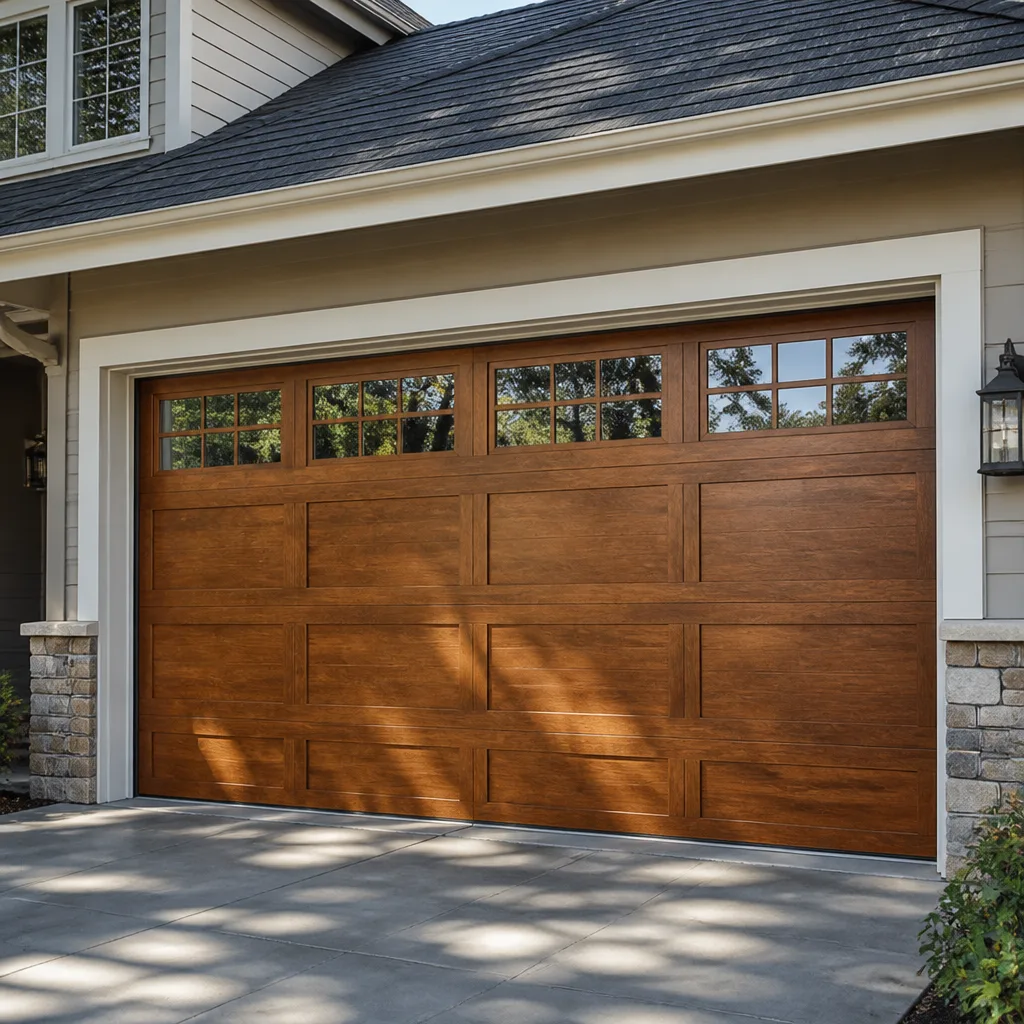 Impact garage doors
 PGT
PGT CGI
CGIFree in-home measure and quote - PGT, CGI and CWS impact lines compared on your actual openings, style by style
Get your free estimateWindows & Doors Permits, Codes & Inspections in TX: What You Need to Know
Texas is one of the few states where a jurisdiction can legally operate on an older building code edition indefinitely. Fort Worth currently enforces the 2021 International Residential Code, while several surrounding Tarrant County cities still work from the 2015 edition. That six-year gap changes egress window sizing, energy compliance paths, and what the inspector will look for at rough-in, on the same basic window swap, just a few miles apart. This guide walks through exactly what Fort Worth homeowners face at the permit counter today: when a permit is required, what the inspector checks, what egress means for bedroom windows, and what happens if the work was never permitted. For more guides & resources on navigating Fort Worth’s building codes, see our blog. You will finish this page knowing the real requirements, not the guesses. We are a Fort Worth windows-and-doors company, and we have stood at this counter many times.
Styles & brands we work with
Quick Answer
In Fort Worth, a permit is required for window and door projects that change the size of an opening, modify structural headers, or create a new opening. Like-for-like replacement, where the new unit fits the existing rough opening and no framing changes, generally does not require a permit. But egress rules still apply: any bedroom window you touch must meet the 2021 IRC minimum clear opening of 5.7 square feet, with a minimum 24-inch clear opening height and 20-inch clear opening width. If you are unsure whether your job qualifies, call the City of Fort Worth Development Services department or a licensed installer who deals with this weekly.
Table of Contents
- When a Permit Is Required in Fort Worth
- Egress: What Bedroom Windows Must Do Under the 2021 IRC
- Energy Code Compliance and What It Means for Your Glass Package
- How the Fort Worth Development Services Portal Works, Step by Step
- What the Inspector Checks at Rough-In and Final
- Why Skipping the Permit Creates a Title Problem When You Sell
- Fort Worth vs. Arlington vs. Keller: Three Codes, One Metroplex
- Common Mistakes to Avoid
- When to Call a Professional
- Frequently Asked Questions
- The Bottom Line
When a Permit Is Required in Fort Worth
The City of Fort Worth draws a clear line through the middle of window and door work. If the project touches structure, size, or the building envelope in any way beyond a direct swap, you need a permit. If it is a true replacement in kind, with the same rough opening dimensions and no header or framing changes, you likely do not. Here is the practical breakdown we use with homeowners in neighborhoods like Tanglewood, Ryan Place, and Wedgwood:
- Size change: Making the window bigger or smaller means cutting into the wall, reframing the opening, and possibly resizing the header. Permit required, every time. This applies whether you are widening a living room window for more daylight or shrinking a bathroom window to fit a new shower layout.
- Structural header modification: Any time the beam above the window or door carries load and gets changed, added, or removed, you need a permit and an inspection. In older Fort Worth homes, especially 1950s brick ranch builds, headers are often undersized by today’s standards, which means a simple window widening can trigger header replacement, which absolutely requires review.
- New opening: Cutting a hole where no window or door existed before is structural work, period. You need a permit, and you may need additional engineering depending on the span and what sits above the opening.
- Like-for-like replacement: Pulling out an existing window and installing a new unit into the same rough opening, with no change to the size, no removal of framing, and no new flashing details beyond the replacement unit’s nailing fin or flush-mount system, typically skips the permit process in Fort Worth. This is the most common replacement scenario we do with Window Replacement in Fort Worth, and it is often completed the same day.
That said, even like-for-like swaps in a bedroom must meet egress under the 2021 IRC. You cannot put a smaller operable window into a bedroom, even if the old one was technically smaller, and call it done. The city holds the new work to the current standard. If your older Fort Worth home has small single-hung windows in a bedroom and you swap them one-for-one for new units of the same size, the inspector can flag the egress issue at final. This is a real scenario we have worked through in Stop Six and Diamond Hill, where 1940s and 1950s homes commonly have undersized bedroom windows. See our Windows & Doors Warning Signs: A Fort Worth Homeowner’s Reference Guide for other red flags to watch for.
For door installation, the same logic applies. Replacing a front entry door with the same rough opening, slab size, and no change to the threshold or framing usually skips the permit desk. But replacing a door with a larger unit, adding a sidelite, or converting a window into a patio door requires a permit, because the structure is changing. For Door Installation in Fort Worth, the question is always whether the rough opening stays exactly as it was.
Egress: What Bedroom Windows Must Do Under the 2021 IRC
The egress rule is the one that catches most homeowners off guard. Under the 2021 IRC, which Fort Worth enforces, every sleeping room must have at least one operable emergency escape and rescue opening. The minimum clear opening is 5.7 square feet, with a minimum clear opening height of 24 inches and a minimum clear opening width of 20 inches. The sill height from the floor cannot exceed 44 inches. If the window is below grade, like in a daylight basement or a window well, the well must allow the window to open fully and provide a minimum of 9 square feet of floor area with a 36-inch dimension.
That 5.7 square foot number refers to the actual clear opening when the window is open, not the rough opening in the wall, and not the glass area. A 36-inch by 24-inch window, for example, has a glass area of 864 square inches, or 6 square feet, but the clear opening after subtracting the frame and sash may be only 4.8 square feet. That fails egress. This is why we always carry a tape measure to the showroom floor when a Fort Worth customer is choosing bedroom windows: the label says one thing, the clear opening says another.
Casement windows typically give the best clear opening for their size because the entire sash swings out. A 24-inch by 38-inch casement can meet the 5.7 square foot requirement where a double-hung of the same overall size will not. In Window Installation in Fort Worth, we commonly recommend casement or larger double-hung units for bedrooms in older homes where, frankly, the existing window never met egress to begin with. It is a safety upgrade, and it also happens to match the style of many Fort Worth ranch homes built before air conditioning, where cross-breeze through operable windows was the only cooling system.
What about the second floor? The egress rule still applies. Every bedroom gets the same minimum clear opening regardless of floor level. What changes on upper floors is the window well requirement, which disappears, and the sill height rule, which still maxes out at 44 inches from the finished floor unless a step or permanently attached ladder is present. In two-story Fort Worth homes in areas like Monticello and Berkeley Place, we often see bedrooms on the second floor with old wooden windows that do not meet the standard. Replacing them one-for-one with identically sized units technically requires no permit, but the new windows still must meet egress, which usually means going slightly larger or switching from double-hung to casement.
Energy Code Compliance and What It Means for Your Glass Package
Fort Worth sits in Climate Zone 3 under the IECC, which is used alongside the IRC. That zone drives the energy code requirements for replacement windows and doors. The 2021 IECC, adopted with the 2021 IRC in Fort Worth, sets maximum U-factor and SHGC (Solar Heat Gain Coefficient) values for fenestration in Climate Zone 3. For a typical replacement project, the new window or door must carry an NFRC label showing a U-factor of 0.30 or lower and an SHGC of 0.25 or lower, or meet the equivalent performance path using the whole-home energy analysis.
What does that mean in plain terms? A U-factor of 0.30 or lower means the window resists heat transfer well. Fort Worth summers regularly push attic temperatures above 140 degrees, and windows with a high U-factor let that heat migrate into the living space. The SHGC of 0.25 or lower means the glass blocks most of the sun’s radiant heat before it enters the room. That matters in Fort Worth, where west-facing windows in neighborhoods like Hulen Heights and Mira Vista can push a cooling bill up dramatically from May through September.
The practical outcome is that single-pane aluminum windows, which are still common in 1960s and 1970s Fort Worth homes, simply do not pass the current energy code. Even clear double-pane windows without a low-E coating may not meet the SHGC requirement. Most of the window brands we carry, including PGT, CWS, and ViewLux, offer Climate Zone 3 packages as standard on their Fort Worth product lines: double-pane, argon fill, and a low-E coating that keeps the SHGC right around 0.23 to 0.25. The inspector at final will check for the NFRC sticker on the window or ask for the product documentation showing the U-factor and SHGC for the installed unit.
Doors follow a slightly different set of values, but the same principle applies. A solid Therma-Tru entry door with a low-E glass insert gets a label, and that label needs to show compliance with the Fort Worth energy code. If you are replacing a front door on a south-facing exposure in a neighborhood like Overton Park, the glass package in the decorative insert matters as much as the window glass in the rest of the house.
How the Fort Worth Development Services Portal Works, Step by Step
The City of Fort Worth accepts residential window and door permits through its online Development Services portal. The process has tightened since 2023, with more documentation required up front and a longer review queue for projects that touch structure. Here is the sequence for a typical permitted window or door project in Fort Worth, based on what we see from this side of the counter:
- Create or log in to your portal account. If you are a homeowner pulling your own permit, you will need proof of ownership and a photo ID. Contractors registered with the city use their contractor license login, which pre-fills the company information and insurance documentation.
- Select the permit type. For window or door work that changes an opening, this is usually a “Residential Alteration” permit. For new openings, it may be filed as “Residential Addition” or “Residential Remodel.” The portal asks you to describe the scope in a short field; be specific because the plan reviewer uses it to determine what documentation to request.
- Upload the required drawings. For a size change or new opening, Fort Worth wants a scaled drawing showing the existing wall, the proposed new opening, the header size and species, and the fastening schedule. For simple like-for-like window swaps, no drawing is usually needed and no permit is required at all. For a door width change, include the header detail and the threshold detail.
- Pay the permit fee. Fees are based on the project valuation. A typical single-opening window enlargement in Fort Worth runs between $80 and $250 for the permit, plus any plan review surcharge. Larger multi-opening projects scale up from there.
- Wait for plan review. In 2025 and early 2026, single-opening window and door permits in Fort Worth are taking about 5 to 10 business days for review. More complex jobs, like adding a window to a load-bearing wall, can take 2 to 3 weeks if the plan reviewer requests engineering calcs.
- Schedule your inspections. Once the permit is approved, you schedule rough-in and final inspections through the same portal. Rough-in happens after the new opening is framed and flashed but before the window is trimmed out. Final happens after the window or door is fully installed, sealed, and operable.
One thing worth knowing: Fort Worth inspection scheduling runs on a next-day model in most cases. If you call by the cutoff time, the inspector shows up the next business day. In practice, during peak remodeling season in spring and early summer, that next-day slot can slip by a day or two. Budget for it in your project timeline rather than assuming a same-week closeout.
What the Inspector Checks at Rough-In and Final
At rough-in, the inspector is looking at the opening, not the window itself. The key checks are: the header size and bearing, the king studs and jack studs, the sill plate, and the flashing integration. In Fort Worth, where clay soil movement is a fact of life, the inspector will also check for adequate clearance between the window frame and the rough opening to allow for building movement. Too tight, and the window binds over time; too loose, and the flashing has to work too hard.
Flashing is the single most common rough-in failure we see. The IRC requires a weather-resistant barrier behind the cladding, integrated with the window flashing in a specific sequence: sill pan flashing first, then side flashing extending up, and head flashing overlapping the side flashing. On a brick veneer home in a neighborhood like Park Hill Place, the flashing has to integrate into the existing house wrap or felt paper in a way that sheds water to the exterior. The inspector will pull back the house wrap at the corners to verify the overlap. If the flashing is wrong at rough-in, the inspector will fail it, and the fix usually means removing the window and starting the flashing sequence over.
Fastener spacing matters at rough-in too. The IRC specifies nail-fin fastening at a given spacing based on the wind zone. Fort Worth is in a moderate wind zone, and the typical requirement is fasteners every 6 to 8 inches around the perimeter of the nailing fin, with specific spacing at the corners. The inspector may check for the correct fastener type and spacing on the exposed fin at rough-in. For flush-mount window installations, which are common on stucco homes in western Fort Worth near Ridglea, the fastening detail is different and is usually documented in the manufacturer’s installation instructions, which the inspector can request.
At final, the inspector verifies the window or door is installed, operable, and sealed. The checklist includes: the egress clear opening on bedroom windows, the NFRC label showing energy compliance, the operation of the sash and hardware, and the weep holes at the bottom of the frame. For doors, the inspector checks the threshold, the weatherstripping, and the sweep. On a sliding patio door, they will verify the door operates smoothly and locks correctly. The final inspection is not a cosmetic pass; it is about function, safety, and code compliance at the point of use.
Why Skipping the Permit Creates a Title Problem When You Sell
Unpermitted window and door work is almost never discovered because a city inspector knocks on the door. It is discovered at resale, during the title search, or during the buyer’s inspection. In Tarrant County, the standard form sales contract includes a seller disclosure that asks, in plain language, whether any work was done without a permit. If you answer no and the buyer later discovers the opposite, the deal can unwind and you can be liable for the cost of retroactive permitting, including any repairs required to bring the work up to code.
Here is how the discovery usually happens, and we have seen this exact sequence play out on more than one Fort Worth home sale. The buyer’s inspector notices that a window in the master bedroom looks newer than the others. The inspector pulls the seller disclosure, which does not list the window replacement. The inspector then checks the property record, which in Fort Worth is searchable through the same Development Services portal. If no permit is on record for a window that changed size, the inspector flags it. The lender may then require the permit to be resolved before closing. That process can take weeks and cost three to four times what the original permit would have cost.
The same applies to door replacements where the rough opening changed. A homeowner in White Settlement may have enlarged a back door to fit a French door unit fifteen years ago, skipped the permit, and forgotten about it. The title company does not look for permits on every sale, but the buyer’s inspector often does. Once the flag is raised, the seller is in a difficult position: either pull a permit retroactively, pay for an inspection, and repair anything that does not pass, or negotiate a credit with the buyer. Neither path is cheaper than pulling the permit the first time.
In our Lightwell Windows Fort Worth home service area, we recommend pulling the permit whenever the project changes an opening. It protects the work, it protects the sale later, and it gives you a written record of compliance that the next buyer’s lender will not question. A permit is not a tax on the work; it is the cheapest insurance you can buy on your home’s resale value.
Fort Worth vs. Arlington vs. Keller: Three Codes, One Metroplex
This is the section where the Texas code patchwork becomes real. Fort Worth enforces the 2021 IRC. Arlington, one city over, currently enforces the 2015 IRC for most residential work. Keller, immediately north of Fort Worth, also operates on the 2015 edition. That means the same window replacement, installed by the same crew, on the same week, can face three different code standards depending on which city the house is in. An installer who is not paying attention will do the same work everywhere and may not meet the stricter standard where it applies.
The egress rule is the most visible difference. The 2015 IRC and the 2021 IRC share the same minimum clear opening for egress: 5.7 square feet, 24-inch minimum height, 20-inch minimum width. So in this one area, the codes agree. But the energy requirements differ. The 2021 IECC, which Fort Worth now follows, has a lower SHGC ceiling for Climate Zone 3 than the 2015 version. A window package that passes in Keller may not pass in Fort Worth. We carry CWS and PGT product lines specifically because their standard glass packages meet or exceed the 2021 values, which means the same window works in both jurisdictions without a special order.
The permitting process also varies. Fort Worth uses its online Development Services portal for everything from submittal to inspection scheduling. Arlington still accepts some residential permits through a more manual process, and Keller uses a smaller in-house system. For a homeowner who lives near the city line, say just off Heritage Trace Parkway, it is easy to assume that the rules are the same everywhere. They are not. The first question we ask on any job is the city of record, because that determines what code edition applies and what the inspector will look for at rough-in.
For a Fort Worth homeowner, the takeaway is simple: if a contractor quotes you a window or door job without asking whether you are inside Fort Worth city limits or in an unincorporated area of Tarrant County, that is a warning sign. Unincorporated areas are not subject to Fort Worth’s code enforcement, which is its own set of challenges: no inspection means no independent verification that the flashing, egress, and energy details are right. You want a contractor who knows which code applies and works to it regardless.
Common Mistakes to Avoid
- Assuming all window replacements are permit-free. Like-for-like swaps often skip the permit, but if the opening changes size, if a header is touched, or if a new window is added where none existed, Fort Worth wants a permit. We have seen homeowners assume a “small” change to a bathroom window would fly under the radar, only to get a stop-work order during the project because a neighbor called it in.
- Choosing bedroom windows by glass size instead of clear opening. The egress rule is about the actual operable clear opening, not the glass area. A window that looks big on the showroom floor may fail egress once the frame and sash are subtracted. Measure the clear opening with the window fully open before you buy for a bedroom.
- Trusting an installer who does not ask which city you live in. Fort Worth, Arlington, Keller, and the smaller Tarrant County cities can all be on different code editions. If the contractor quotes the job without confirming the municipality, they may not know what they are building to.
- Skipping the flashing detail review at rough-in. The single most common inspection failure we see is incorrect flashing integration. On a Fort Worth brick home, the flashing has to tie into the existing house wrap or felt paper in the correct overlap sequence. If it is wrong at rough-in, the window usually has to come back out.
- Ignoring the energy label until final inspection. The inspector will check for the NFRC label at final. If the window does not meet the U-factor and SHGC values for Climate Zone 3, the final fails and you are ordering glass packs after the fact. Carrier lines like ViewLux and CGI ship with compliant glass by default, but not every budget window does.
- Not keeping permit records for resale. When you sell a Fort Worth home, the seller disclosure asks about unpermitted work. A missing record from a five-year-old window enlargement can become a negotiation chip against you. Keep the permit number, the inspection sign-offs, and the product documentation together.
When to Call a Professional
Some jobs are clear DIY or handyman territory, and some are not. If you are replacing a like-for-like window with the same rough opening and no structural change, a competent handyman can often handle it. But when the opening changes size, when a header is modified, when a new opening is cut, or when bedroom egress is in play, the cost of getting it wrong is measured in water intrusion, failed inspections, and title problems at resale. A professional installer who works in Fort Worth every week knows what the 2021 IRC requires, what the inspector looks for at rough-in and final, and how to document the work so your resale is clean. Lightwell Windows Fort Worth offers free estimates in Fort Worth – call (682) 900-6694 and we will walk the project with you before anyone touches a wall.
Frequently Asked Questions
A single-opening window enlargement permit in Fort Worth typically costs between $80 and $250 depending on the project valuation and plan review requirements. A simple like-for-like replacement often requires no permit at all. Multi-opening projects and new openings cost more. Call (682) 900-6694 and we can tell you whether your specific job needs a permit and what it will likely cost before you commit to anything.
No. Under the 2021 IRC, every bedroom window must meet the minimum egress clear opening of 5.7 square feet, with a 24-inch minimum height and 20-inch minimum width. If the replacement reduces the clear opening below that standard, the inspector will fail the final. You can replace a bedroom window with a unit that meets or exceeds the minimum, but never with one that shrinks it.
For most single-opening window and door permits, Fort Worth plan review takes about 5 to 10 business days in 2025 and early 2026. Simple like-for-like replacements usually skip the permit entirely. If the job involves structural changes like header replacement, allow 2 to 3 weeks. Inspections are typically next-day once the work is ready.
This is common. The practical fix is to pull a retroactive permit through the City of Fort Worth, get the work inspected, and make any corrections the inspector requires. If the work is discovered during a sale, you may need to resolve it before closing. In our experience, resolving it before listing is almost always cheaper and less stressful than negotiating it during escrow.
A like-for-like entry door replacement with the same rough opening usually does not require a permit. Changing the door width, adding a sidelite, converting a window to a patio door, or cutting a new door opening all require permits because the structure changes. The same logic applies: if the rough opening stays exactly the same, the city typically leaves it alone.
Yes. For permitted projects, the inspector at final will look for the NFRC label showing the U-factor and SHGC, or accept the manufacturer’s documentation. Fort Worth follows the 2021 IECC, which sets Climate Zone 3 values. Most windows we install in Fort Worth from PGT, CWS, and ViewLux carry compliant standard glass, but not every budget product does. Check before you order.
The Bottom Line
Window and door permits in Fort Worth are simpler than most homeowners fear, but the consequences of getting them wrong are real. Like-for-like replacements generally skip the permit desk, but any change to the opening size, any header modification, or any new opening requires a permit and two inspections. Bedroom windows must meet egress regardless of whether a permit is pulled, and energy compliance is verified at final. The city enforces the 2021 IRC, which is stricter than what several neighboring Tarrant County cities use. A contractor who does not know which code applies to your address is a risk. If you are planning window or door work in Fort Worth, call (682) 900-6694 for a free estimate and a straight answer on whether your specific job needs a permit, what it will cost, and how long it will take. Written by Keith Yamada, Owner at Lightwell Windows Fort Worth, serving Fort Worth since 2010.
See the difference
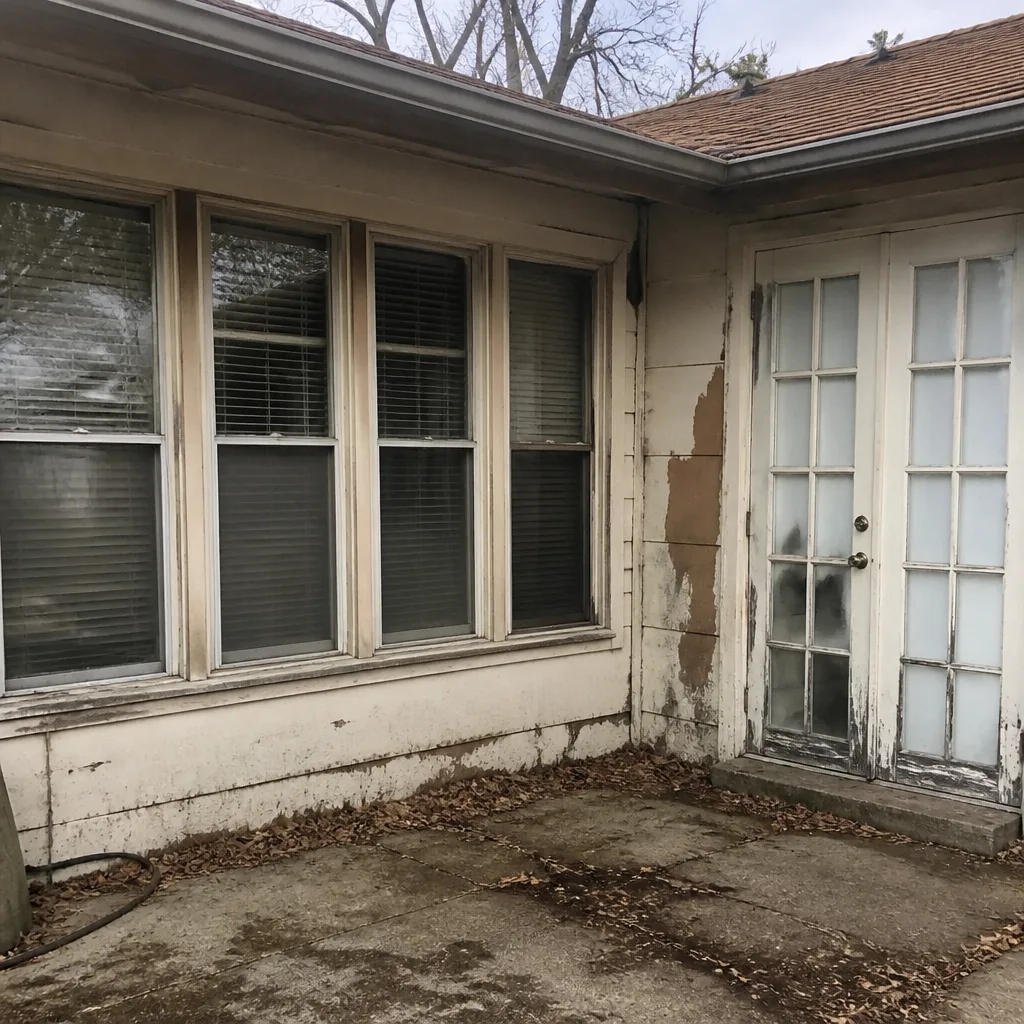 Before
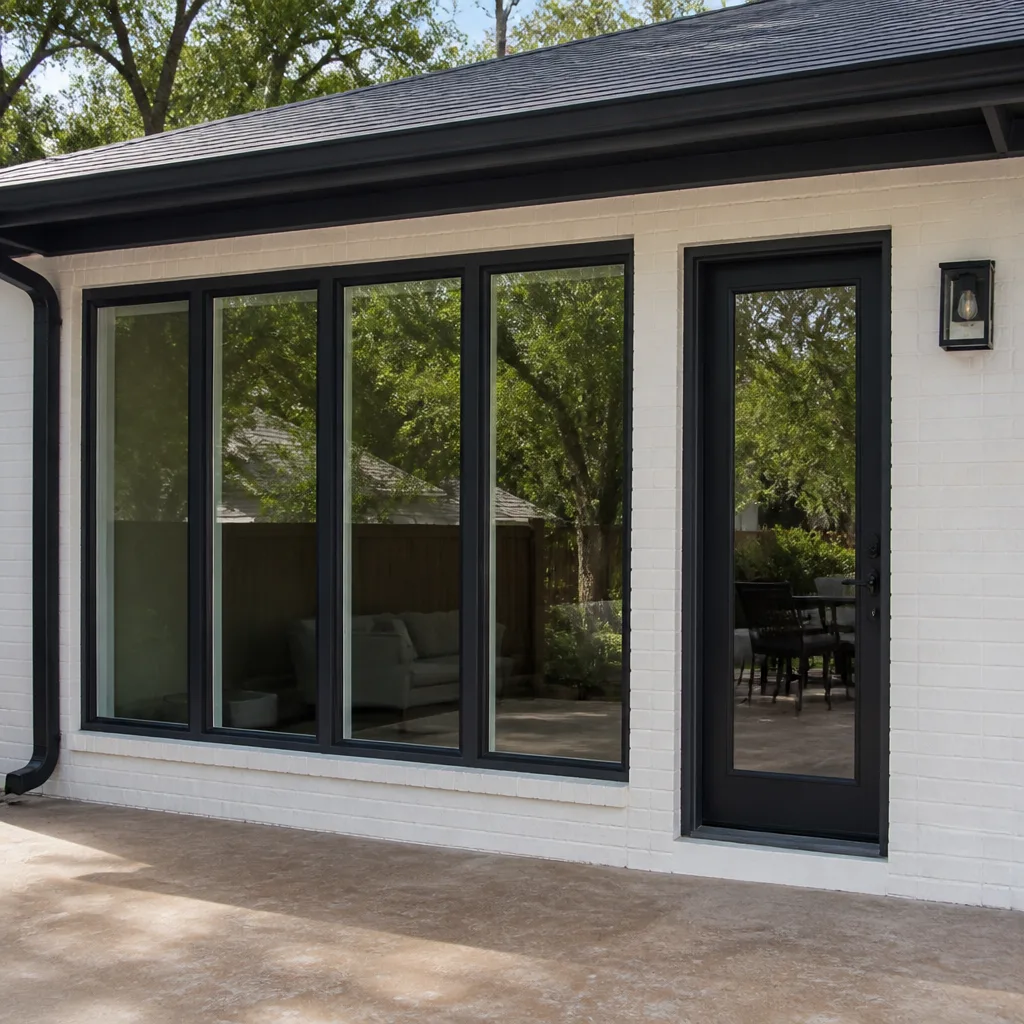 After
After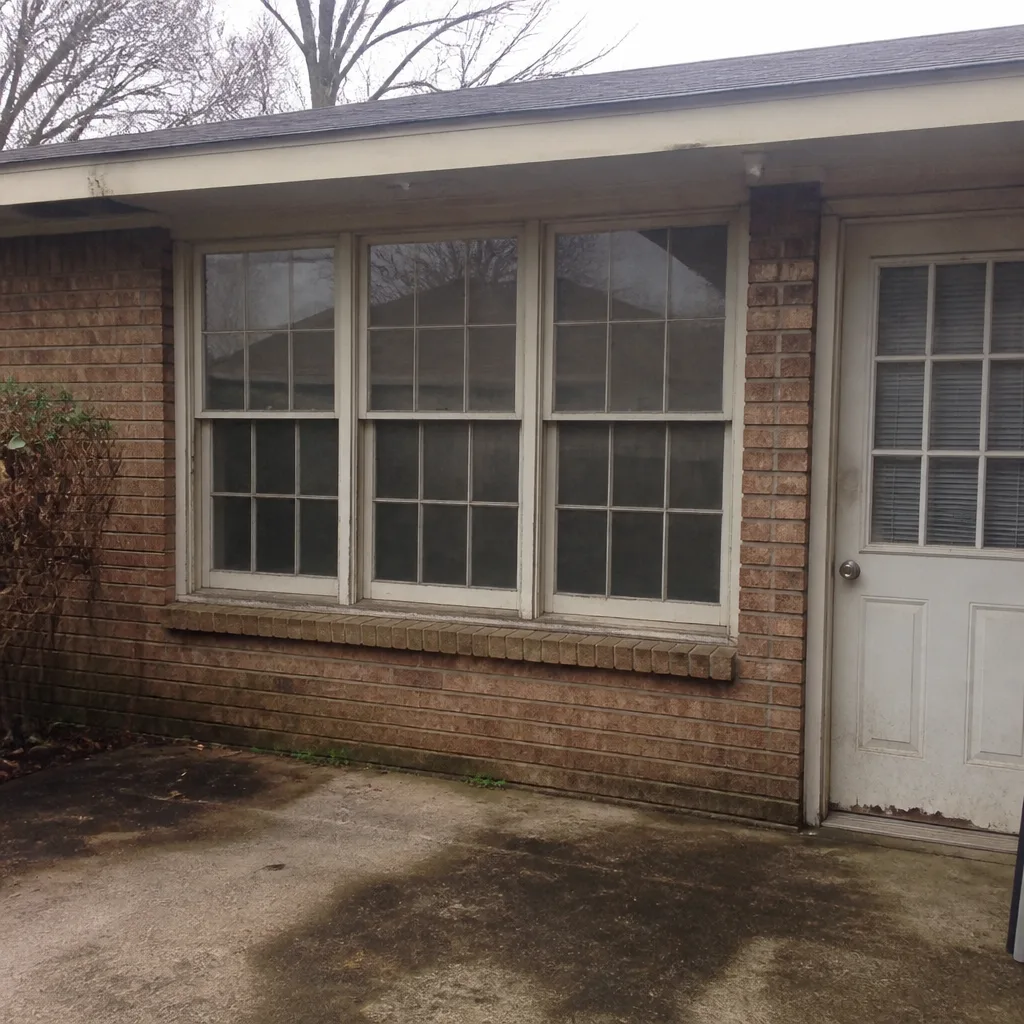 Before
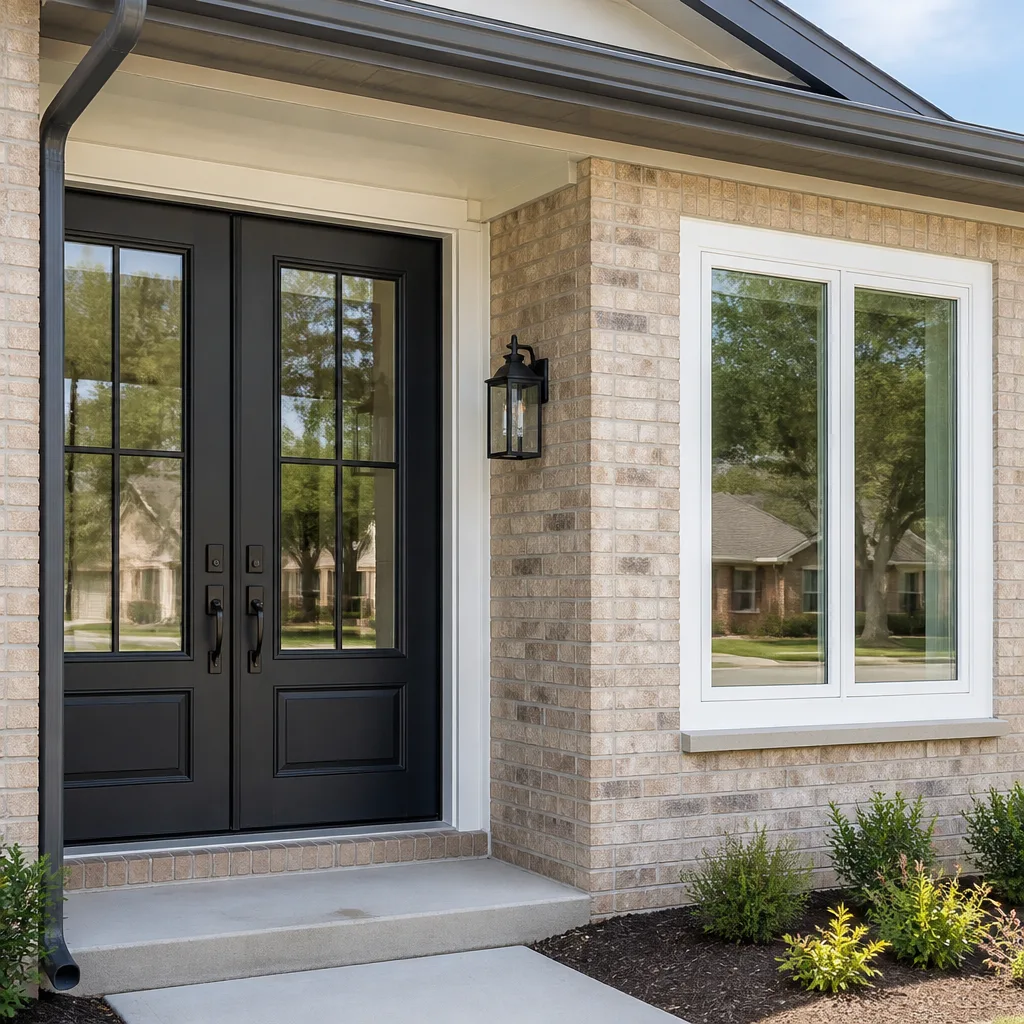 After
AfterSix Reasons Homeowners Choose Lightwell Windows Fort Worth
Laminated glass and reinforced frames hold up to wind-driven rain, hail and flying debris, so your openings stay sealed when the weather turns.
Low-E insulated impact glass from our manufacturer lines commonly cuts monthly cooling bills 20-30%.
Laminated impact glass shuts out up to 40% of outside noise - traffic, neighbors, weather.
Monitoring services run $30-90 a month. Laminated impact glass resists forced entry around the clock, with no subscription.
Tighter seals and insulated glass even out hot and cold rooms and stop the drafts at the frame.
A full impact package upgrades curb appeal, buyer confidence and appraised value in one project.