
Last updated October 17, 2026
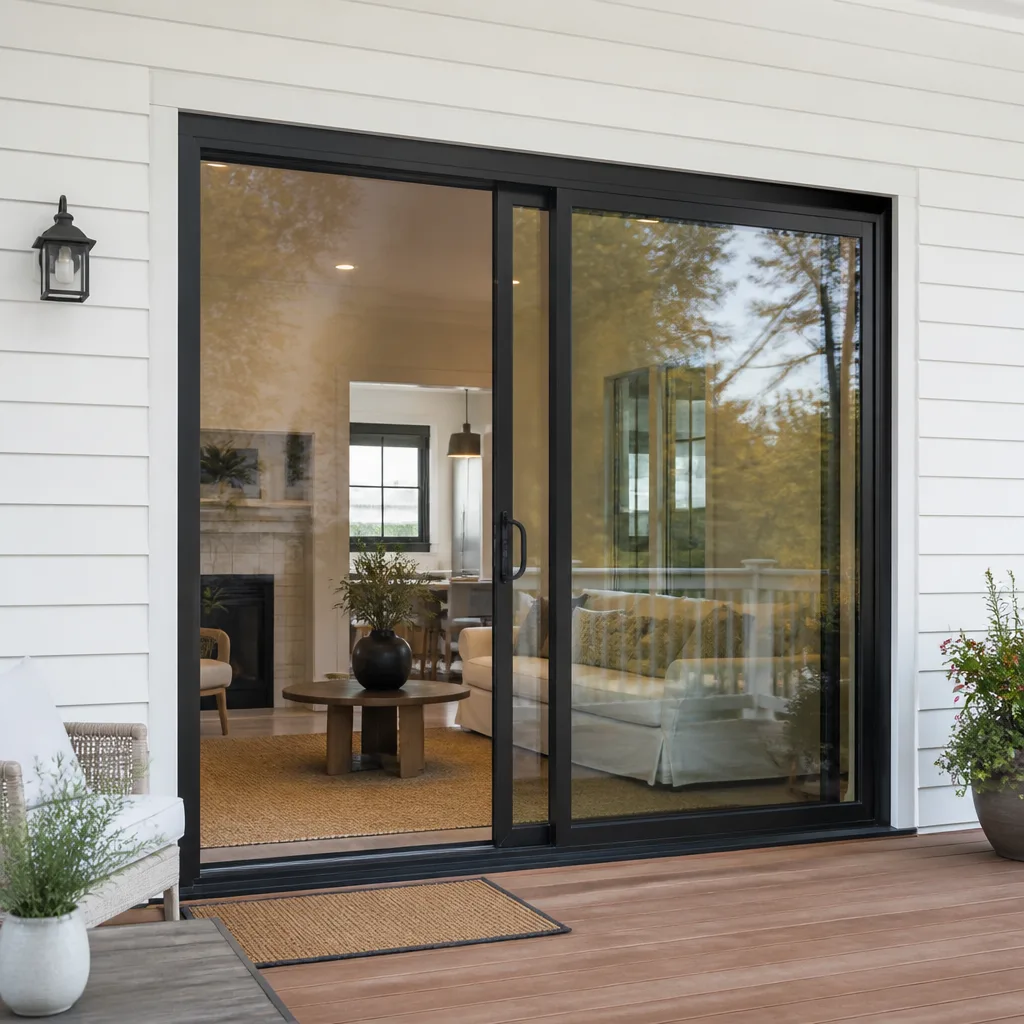 Sliding glass doors
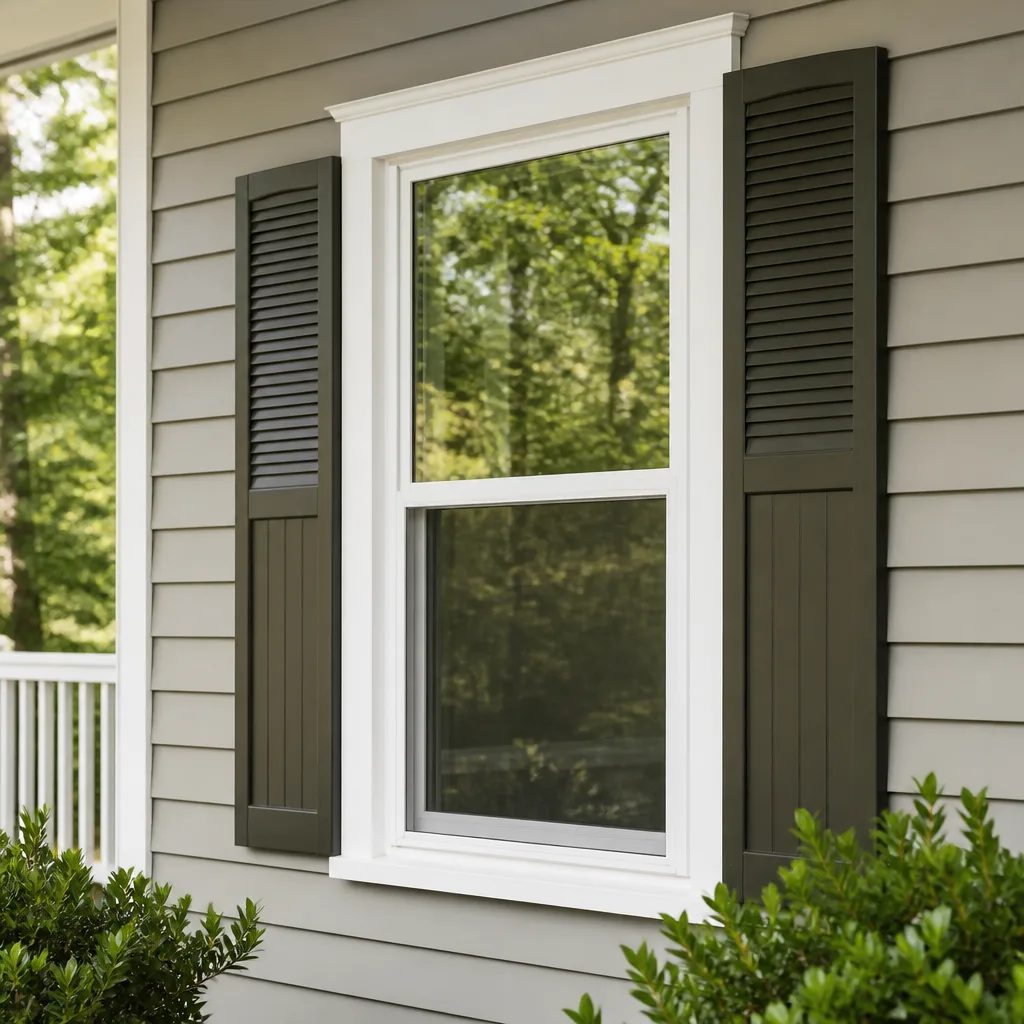 Single hung
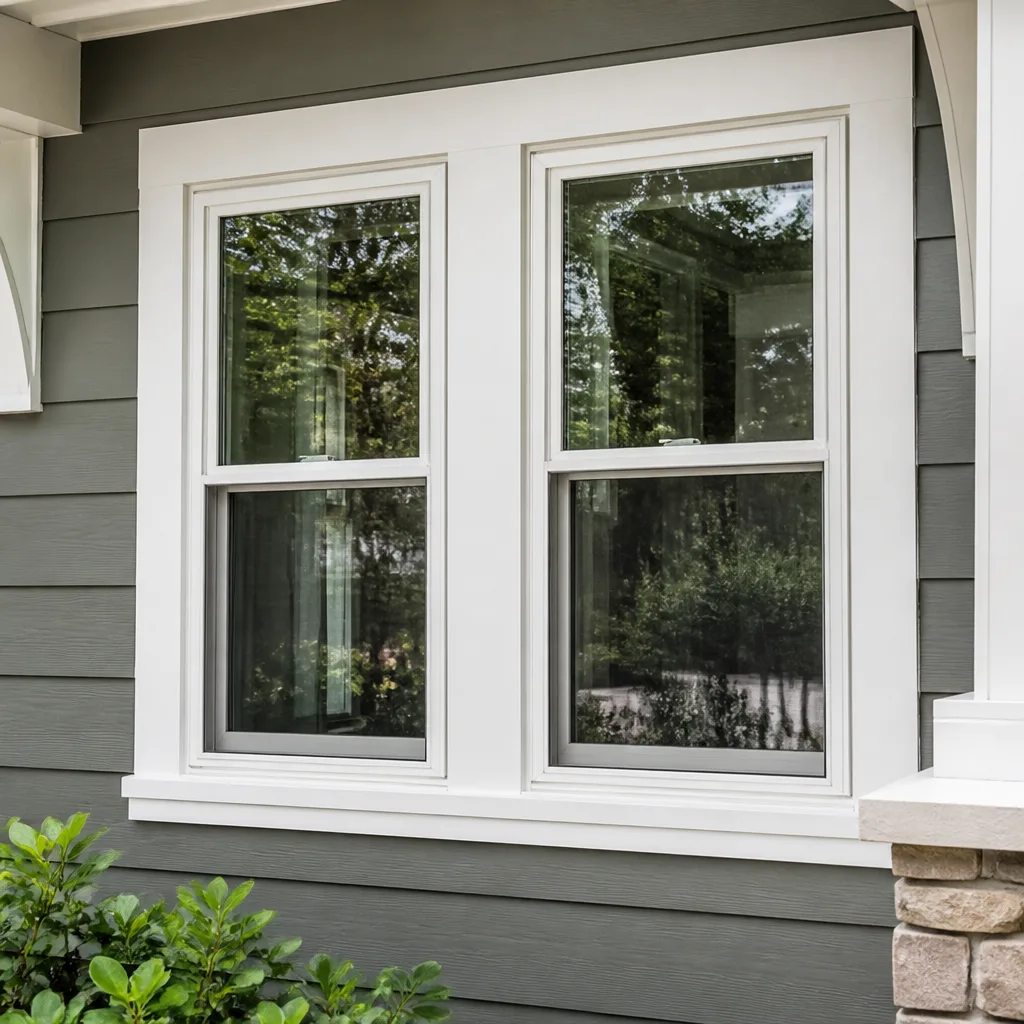 Double hung
 Horizontal roller
 Casement
 Bay & bow
 Entry doors
 Impact garage doors
 PGT
PGT CGI
CGIFree in-home measure and quote - PGT, CGI and CWS impact lines compared on your actual openings, style by style
Get your free estimateWindows & Doors Warning Signs: A Fort Worth Homeowner’s Reference Guide
In Fort Worth, most window and door problems are misread at first. The sticky back door gets blamed on humidity. The warm living room gets blamed on an aging AC. The brown stain under the bedroom window gets blamed on the roof. This guide and our Complete Guide to Windows & Doors in Fort Worth exist because we’ve watched too many homeowners chase the wrong fix for two or three years before finding the real culprit hiding in a failed seal, a shifted frame, or a hinge that gave up quietly. By the time the truth surfaces, a repair that would have cost a few hundred dollars has become a full replacement running into the thousands. You’ll learn to read the signs early and accurately.
Quick Answer
The most common window and door warning signs in a Fort Worth home are fog or condensation trapped inside double-pane glass, visible daylight around a closed door, a door that sticks or binds in one corner, a room that gets suddenly warmer or colder, and water stains below a window that appear without roof leaks. Each symptom points to a specific failure point in the frame, seal, flashing, or hardware, and catching it early usually keeps the fix under a thousand dollars instead of forcing a full replacement.
Styles & brands we work with
Table of Contents
- 1. Fogged or Cloudy Double-Pane Glass: The Most Misread Sign in North Texas
- 2. Drafty Rooms and Unexplained Utility Spikes: Tracing the Real Leak
- 3. Sticking Doors: Clay Soil, Heat, or Hinges?
- 4. Water Stains Below Windows: Mapping Where the Water Actually Entered
- 5. Hardware Warning Signs: The Cheap Fix Before the Expensive One
- 6. Frame Racking vs. Heat Warping: The Tape Measure Test
- 7. Noise, Security, and What a Loose Window Really Costs
1. Fogged or Cloudy Double-Pane Glass: The Most Misread Sign in North Texas
The single most misdiagnosed window failure in North Texas is a fogged double-pane unit. Homeowners clean the glass over and over before realizing the condensation is inside the sealed unit, trapped between the two panes where no cloth can reach it. That fog means the hermetic seal has failed, the argon gas fill has escaped, and the window’s insulating performance has dropped by as much as 30%. In a Fort Worth summer, that translates directly into heat gain on every south-facing wall.
Here’s the tell that separates a failed seal from simple surface condensation, which is harmless and common in humid weather. Surface condensation wipes away with a finger and stays gone for hours. Seal-failure fog does not wipe away and often looks worse in the morning, then partially clears by afternoon as the sun warms the glass and the trapped moisture redistributes. If you can’t touch the moisture, it’s inside the unit, and the window is no longer doing its job.
Fort Worth’s climate makes this worse than in drier cities. Our humidity swings, combined with intense afternoon sun, put constant thermal stress on the sealant material. A window installed ten years ago may already be approaching the end of its sealed life. We’ve seen units from builder-grade lines fail in as little as six years on west-facing walls, which take the brunt of the late-day heat.
The fix depends on how far it’s gone. If caught early and the frame is still sound, a replacement insulated glass unit, or IGU, can be swapped into the existing frame, usually running $200 to $450 per window in the Fort Worth market. If the frame has also warped or the sash has started separating, the smarter move is full window replacement in Fort Worth, which runs $600 to $1,400 per opening depending on material and brand. Keith Yamada, who leads the team at Lightwell Windows Fort Worth, often tells homeowners that a failed seal is a warning, not a verdict. The question is whether the frame still has life in it.
2. Drafty Rooms and Unexplained Utility Spikes: Tracing the Real Leak
A draft in a Fort Worth home is rarely a single gap. It’s almost always a stack of smaller failures: a weary weatherstrip, a sash that no longer seats flush, and a sill corner where the caulk dried and cracked two summers ago. Together, they let conditioned air out and outdoor air in, and the HVAC runs harder every month without anyone noticing until the bill arrives.
The most useful diagnostic step is not a contractor’s visit. It’s a walkthrough with a damp hand on a windy day. Wet skin senses temperature changes faster than dry skin, and the back of your hand detects a five-degree difference that your eyes would never see. Work each window and door in the room where the draft is worst. Check the meeting rail, where the two sashes meet. Check the bottom corners. Check along the side jambs. Mark every spot with painter’s tape so you can compare notes with a professional later.
One overlooked warning sign in Fort Worth is a sudden spike in the summer electric bill that doesn’t match a rate change or a hotter-than-average month. A south-facing window with a failing seal lets radiant heat pour into the room every afternoon, and the AC works overtime against a load it shouldn’t have to carry. The bill becomes the first measurable evidence of a problem that hasn’t yet become visible.
Here is the order we recommend when a room feels drafty.
- Check the weatherstripping on every window and exterior door in that room. Run a finger along the strip. If it’s flattened, brittle, or compressed in one spot, that’s a direct air path.
- Close the door or window on a piece of paper. If the paper slides out easily with the unit closed, the seal is not engaged.
- Feel around the trim with a damp hand, not just the glass. Air sneaks around the frame-to-wall joint when installers didn’t insulate the rough opening properly, which is common on older Fort Worth homes.
- Look at the caulk line where the sill meets the exterior wall. In our clay soil and heat, exterior caulk cracks within a few seasons if it wasn’t a high-flexibility product.
- If you find three or more failures in one room, consider the room a replacement candidate rather than a caulk-and-hope project. Replacement through a proper window installation in Fort Worth usually runs $600 to $1,400 per opening, but the energy savings and comfort arrive the same month the new units go in.
This is the point where brand quality matters more than people expect. A properly built frame from Mr-Glass or PGT holds its shape through our temperature swings far longer than a builder-grade unit. The seal stays tight. The weatherstrip stays compressed. The draft never gets a chance to start.
3. Sticking Doors: Clay Soil, Heat, or Hinges?
Fort Worth sits on expansive clay soil that swells when wet and shrinks during dry spells. Every August, doors start sticking in homes that were perfectly fine in April, and the homeowners think the foundation is failing. Sometimes it is. But often, a sticking door is something far less expensive: a hinge pulling loose, a door slab absorbing moisture, or paint that swelled in the heat.
The diagnostic is simpler than you’d expect because the door’s behavior actually tells you which problem you have. Watch where the door binds.
- Binding at the top corner on the latch side usually means the top hinge screws have loosened and the door is sagging forward under its own weight. The fix is often tightening or replacing screws with longer ones that reach the framing behind the jamb, a $20 fix.
- Binding across the top edge means the door slab itself has swelled, typically from seasonal humidity. This often corrects itself when the weather dries, though a proper sealing of the door’s top edge prevents the cycle from repeating.
- Binding at the bottom corner on the hinge side is the one that raises real concern. That pattern suggests the floor or the wall framing has shifted, which in clay soil country often points to foundation movement at the door’s corner of the house. This is the pattern to have evaluated professionally before it worsens.
- Binding that moves seasonally, worse in wet months and better in dry ones, is classic clay soil behavior. If the door’s movement tracks the weather, the foundation is doing what Fort Worth foundations do, and the door can usually be adjusted or replaced with a frame built to tolerate the movement.
Heat exposure creates a different pattern. A door that faces late-day sun, especially a dark-painted steel door, can absorb enough heat to warp its own skin. The warp shows up as a door that sticks at the latch in summer but works fine at night or in winter. A white or light-colored Therma-Tru door with a proper thermal break rarely warps this way, which is why finish and material choice are not purely aesthetic decisions in North Texas.
4. Water Stains Below Windows: Mapping Where the Water Actually Entered
When a water stain appears on the wall or floor below a window, the instinct is to blame the window. That’s only right about a third of the time. Water travels, and a stain on drywall tells you where the water ended up, not where it entered. Figuring out the entry point before ripping anything apart saves real money in a Fort Worth home.
The stain’s shape and position are your map. Here’s how to read it in a systematic order.
- Stain directly under the center of the window, wider at the base. This is usually water that came through the frame-to-wall joint or the sill flashing, not the glass. Rain hits the window, runs down the face, and finds a path under the sill if the flashing was never lapped correctly. On brick homes, missing or damaged sill pan flashing is the most common culprit.
- Stain running down the interior of the glass and pooling on the lower interior sash track. This is water entering through the glass seal or a failed corner joint in the sash frame. In double-pane units, a failed seal that lets in water is past a simple gas leak. The IGU needs replacement, and if the sash has started to rot, so does the sash.
- Stain on the ceiling or wall above the window. That water never touched the window. It’s coming from the roof, a plumbing line, or a wall leak above, and it traveled down until it collected at the window header. We’ve been called out to what looked like window leaks in Arlington Heights and Ridglea that turned out to be attic vent leaks. The window was fine.
- Stain at the bottom corners only, on both sides. On older wood-framed windows, this is often the sill itself wicking moisture from the ends where the finish has worn through. Rot follows within a season or two if left unaddressed. In Fort Worth’s summer storms, water sits on an unprotected wood sill long enough to do serious damage.
If the stain is new, mark its outer edge with a pencil and check again after the next rain. A stain that grows tells you the leak is still active. One that stays put is likely old, and you can focus on the interior repair while investigating the window itself. Water stains that appear after every heavy storm almost always trace back to the flashing, and the correct fix is proactive: a professional re-flashing of the opening, not a tube of caulk over the top of the trim.
5. Hardware Warning Signs: The Cheap Fix Before the Expensive One
Hardware fails first because it moves. The lock, the hinges, the rollers, the crank, these are the working parts, and when they start misbehaving, they’re often the earliest warning that bigger problems are developing. We tell Fort Worth homeowners that hardware complaints are the cheapest diagnostic tool they own, because addressing them early prevents the frame damage that comes after.
Here are the signs worth acting on within the same month you notice them.
- Lock misalignment on a sliding door or window. If the lock no longer lines up with the keeper, the panel has shifted. That shift is either a roller that’s worn down or a track that’s bent or dirty. Left alone, a misaligned lock eventually forces the panel against the frame, and then the frame starts wearing. The hardware fix is under $100. The frame fix is not.
- Roller drag on a sliding patio door. Fort Worth’s dust and pollen load is heavy, and sliding-door tracks collect it fast. When the door starts feeling heavy and needs a hip bump to move, the rollers are working against a dirty or worn track. Cleaning and alignment is the first move. If the drag persists after cleaning, the rollers themselves have flattened and should be replaced before the weight of the door starts scoring the track.
- Crank resistance on casement windows. A casement crank is a gear-driven mechanism, and Fort Worth’s temperature swings take a toll on the grease and the gear teeth. If the crank feels stiff in summer and worse in winter, it’s not the window’s personality. The operator is wearing out. Replacing an operator costs significantly less than replacing a casement sash that was forced open past its limit and cracked at the hinge point.
- A deadbolt that needs the handle lifted to throw. This is almost always hinge wear or hinge alignment, not the lock itself. The door is sagging a few millimeters, and those millimeters are going to become centimeters. The lock cylinder is fine. Fix the hinges.
The practical rule we use: if a hardware issue forces you to change how you open, close, or lock a window or door, the hardware has already worn past its service life. The window or door itself may still be perfectly good. Don’t replace the whole unit until the hardware has been inspected. That’s how a $90 repair stays a $90 repair instead of becoming a $900 replacement.
6. Frame Racking vs. Heat Warping: The Tape Measure Test
Here’s a test you can do in five minutes with a tape measure, no contractor required. It answers one of the most common questions we hear from Fort Worth homeowners: is my window frame racking from clay soil movement, or warping from heat? The two look similar on the surface but have very different fixes and prices.
- Measure the frame diagonally from the top-left corner to the bottom-right corner. Write the number down.
- Measure the opposite diagonal, from top-right to bottom-left.
- Compare the two numbers.
If the two diagonal measurements differ by more than a quarter inch on a standard window, the frame is out of square. That’s your answer: the frame is being pushed or pulled by something outside itself. In Fort Worth, with our clay soil, that something is almost always foundation movement transferring load through the wall into the window opening. The window isn’t defective, it’s absorbing stress from the house itself.
Heat warping, by contrast, almost never changes the diagonal measurements. Heat warping shows up as a bow in the center of the frame or sash, not a loss of squareness. A warped vinyl window frame on a west-facing wall will bow outward or inward and the sashes will start to gap along the edges where the bow is most pronounced. The corner joints stay tight. It’s the middle that fails.
Why does the distinction matter? Because fixing a heat-warped window is straightforward: replace the window with a better material, like a fiberglass or high-quality vinyl frame engineered for high-heat exposure. Brands like ViewLux build frames that hold their shape on walls that take direct Texas sun all afternoon. Fixing a racked frame is different. If the racking is from active foundation movement, replacing the window without addressing the movement means the new window will rack within a year or two. The window diagnosis has to happen before the window purchase.
Keith Yamada at Lightwell Windows Fort Worth has walked into Fort Worth homes where three previous windows were replaced in one room over eight years, each one racking the same way the last one did, because nobody traced the problem back to the foundation corner before ordering the first replacement. That’s a hard lesson for the homeowner, and an easy one to avoid with a tape measure and ten minutes.
7. Noise, Security, and What a Loose Window Really Costs
Two warning signs in Fort Worth rarely get connected to windows, because they happen over time. The first is noise. If you’ve noticed more traffic sound from your street, or your neighbor’s yard equipment feels louder inside than it did five years ago, your windows may be telling you something. Seals compress. Weatherstripping flattens. Glass-to-frame bonds weaken. A window that once blocked a meaningful amount of outdoor sound gradually loses that ability as its components age. The change is incremental, and most people don’t register it until it’s gone.
The second is security. A window latch that doesn’t seat fully, a sliding door you can lift off its track with two hands, these are not convenience issues. They’re entry points. Fort Worth police data consistently shows that unforced entries, through unlocked or unlocked-appearing windows and sliding doors, outnumber forced entries. A window that doesn’t close squarely and lock securely is an invitation. The fix is usually a hardware adjustment or a new sash, not a full replacement, but it has to be done by someone who understands how the locking mechanism is supposed to engage.
For sliding patio doors, the test is quick. Close and lock the door, then lift straight up on the handle. If the panel rises more than an eighth of an inch, the anti-lift blocks or the track’s anti-lift channel are compromised. A door that lifts can be popped out of its track from outside with a pry bar in under ten seconds. The repair is straightforward and should be done immediately.
Noise and security are the two benefits every homeowner expects from good windows but no one thinks to measure. A true door installation in Fort Worth should leave the panel square in the frame, resistant to lift, and quiet when it closes. If yours doesn’t, that’s a warning sign as real as fogged glass or a water stain. It’s just quieter about announcing itself.
Common Mistakes to Avoid
- Cleaning fogged glass for months before checking whether the fog is inside the unit. If the moisture doesn’t wipe away, the seal is gone, and no amount of glass cleaner fixes it. This is the number one time-waster we hear about in Fort Worth homes.
- Blaming the foundation for every sticking door. Many sticky doors in our clay-soil city are hinge or heat problems, not foundation problems. Do the binding-corner diagnostic before you call a foundation company.
- Caulking over water stains without tracing the water’s entry point. If the water is coming through the frame-to-wall joint, exterior caulk over the trim does nothing except hide the stain until the rot spreads. Map the leak first.
- Ignoring a misaligned lock because the door “still works.” A lock that doesn’t line up is a hardware problem today and a frame problem next year. The earlier you catch it, the smaller the repair.
- Replacing a window without checking the frame’s squareness first. If the opening is racking from soil movement, a new window will inherit the same problem. Measure the diagonals before spending the money.
- Assuming a new window is automatically a good window. Builder-grade windows installed five years ago are failing on Fort Worth’s west-facing walls because they weren’t engineered for our heat and humidity. Brand and frame material matter enormously in this climate.
See the difference
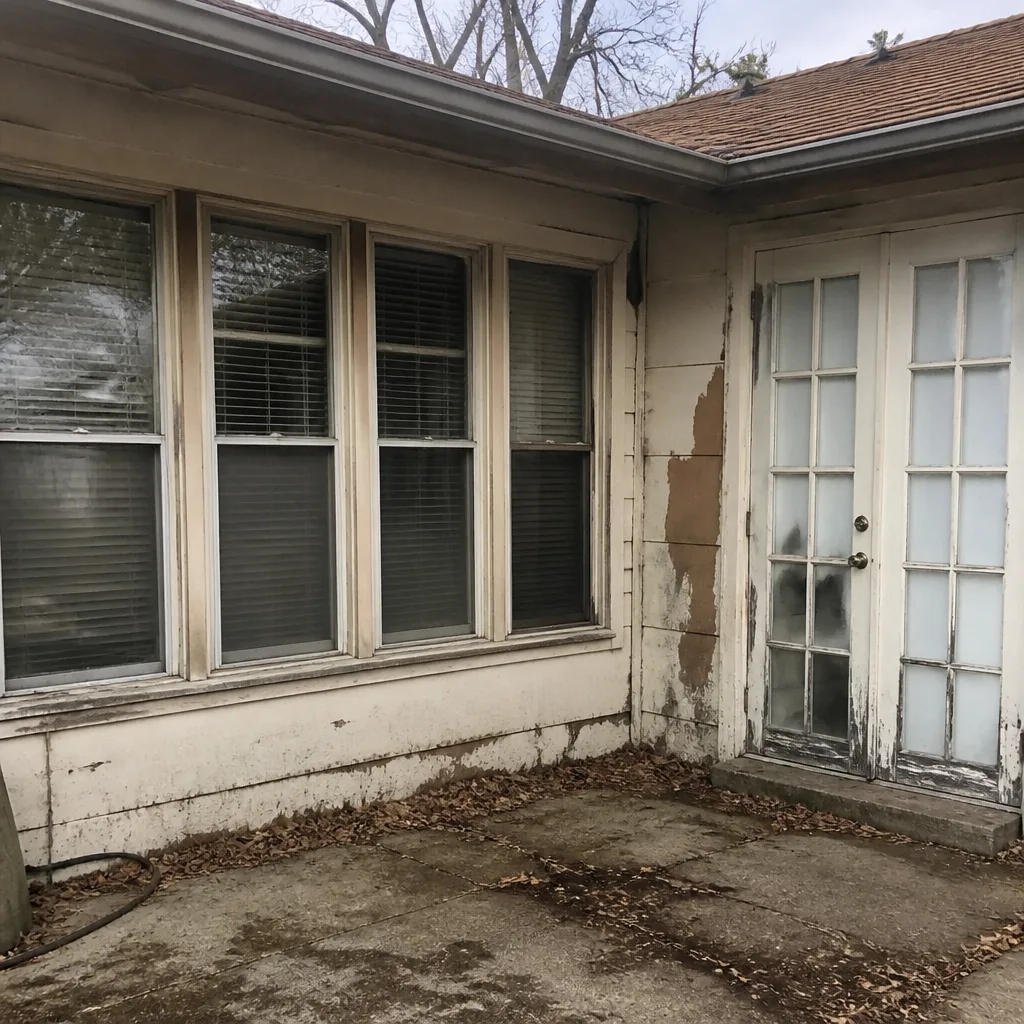 Before
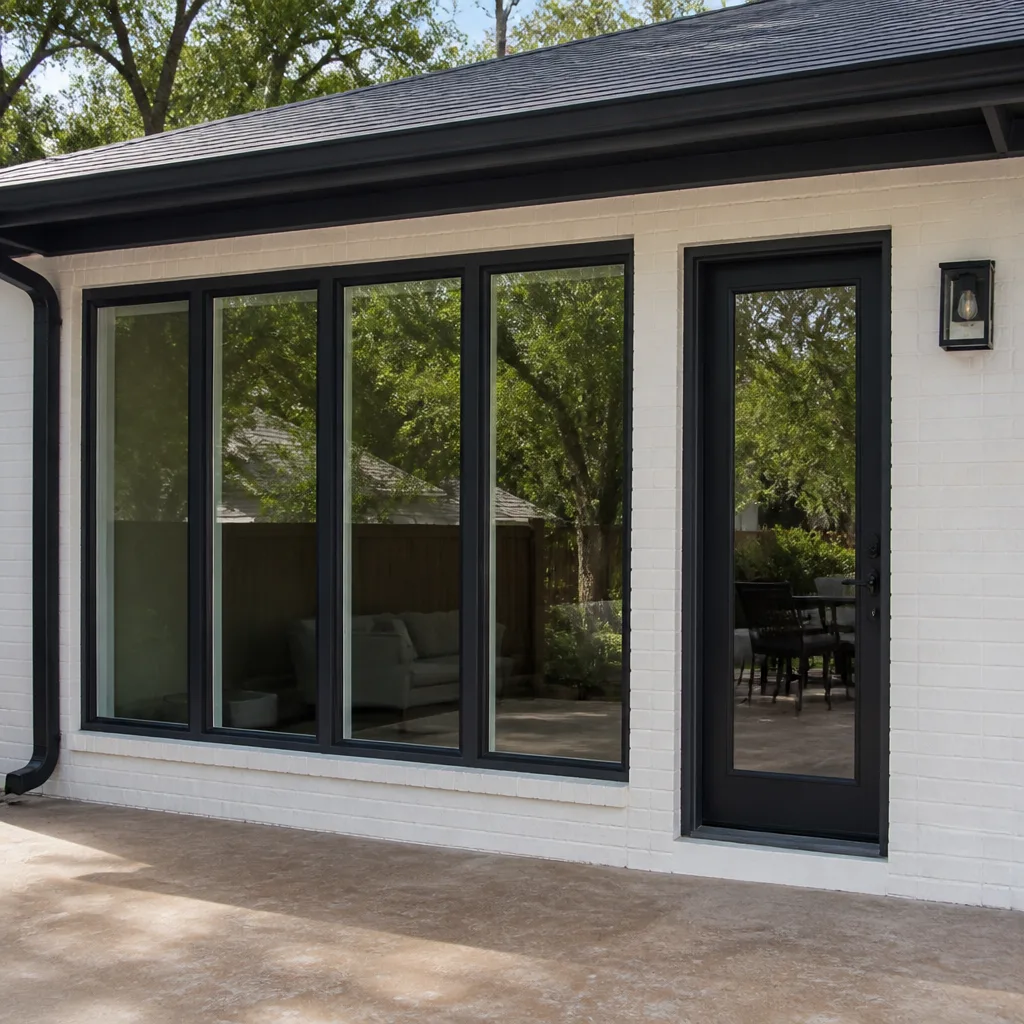 After
After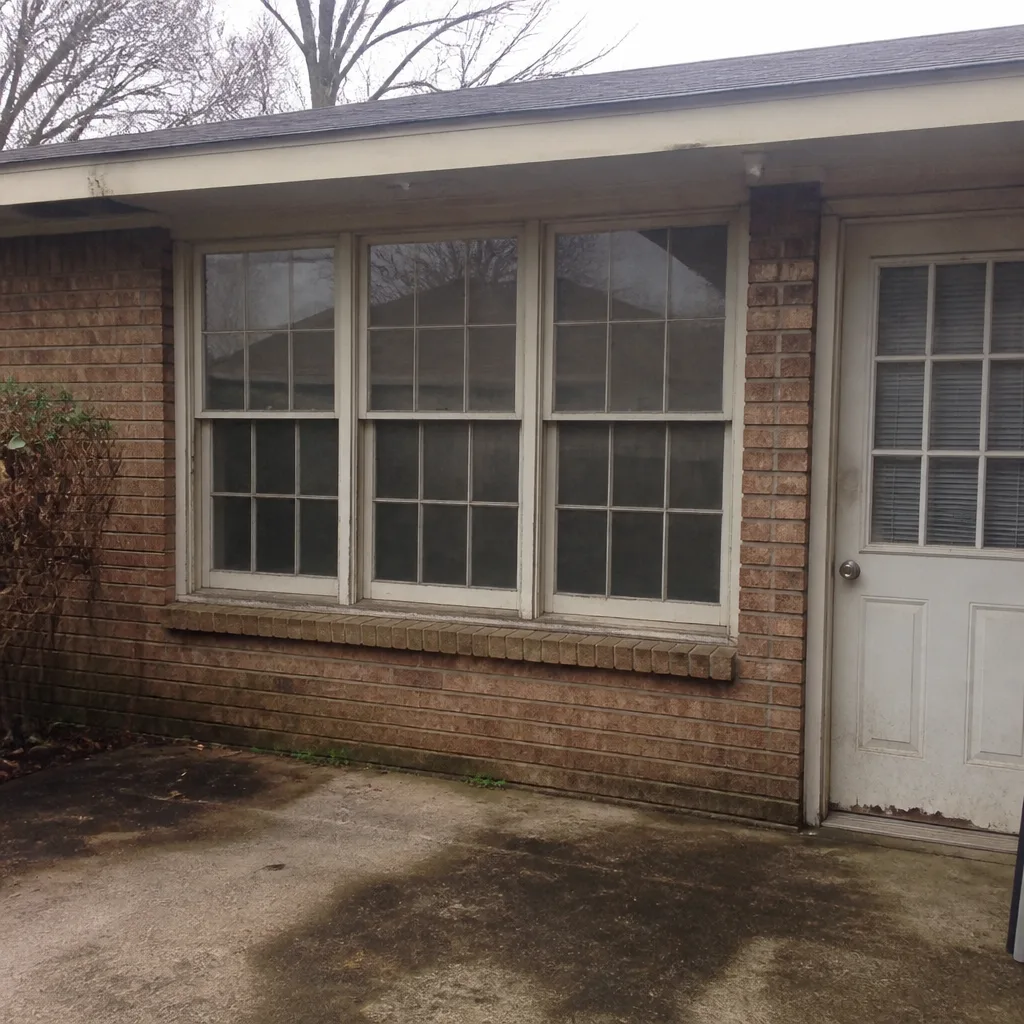 Before
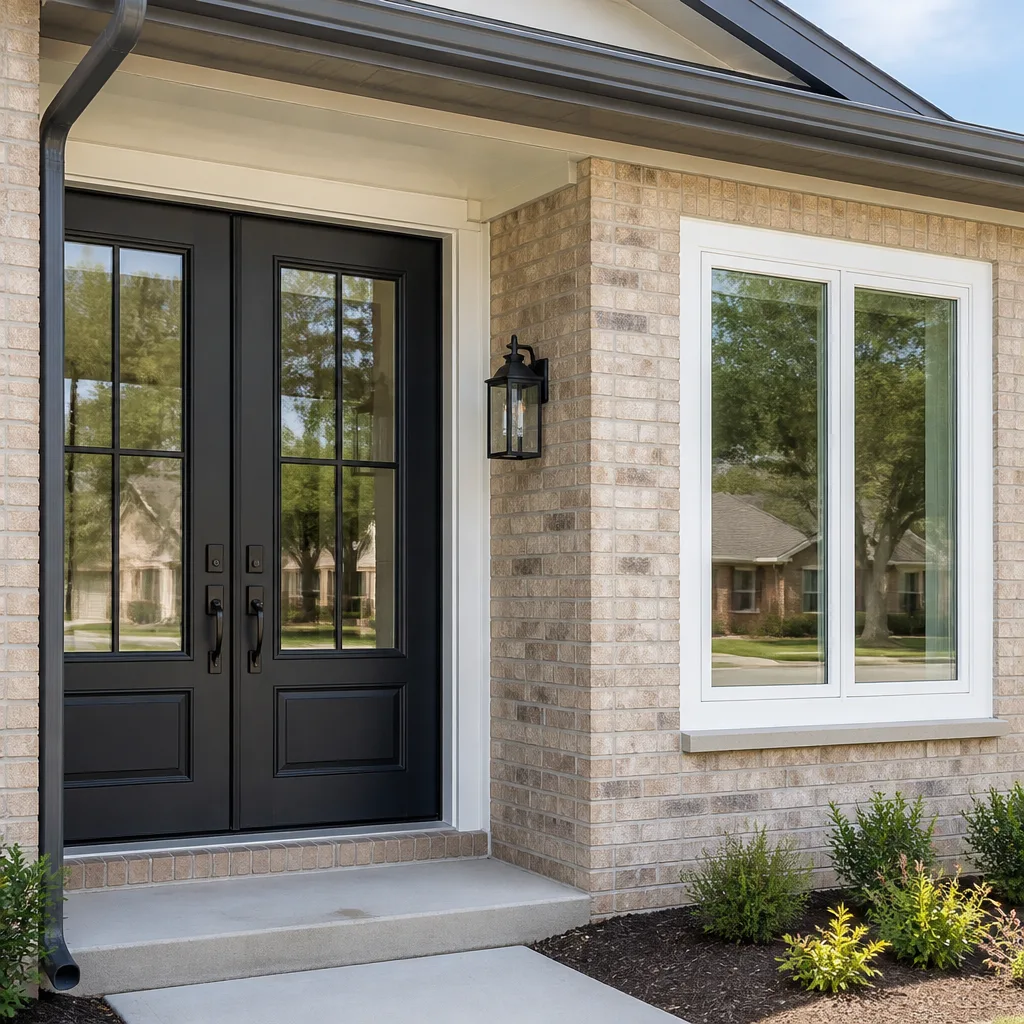 After
AfterWhen to Call a Professional
Call a professional when the warning sign is persistent, structural, or connected to water ingress. Fog between the panes that won’t clear, a door that binds at the bottom hinge-side corner, water stains that grow after each storm, a window frame that measures out of square, a sliding door that lifts off its track, these are not DIY territory. They need someone who can trace the symptom to its actual source and fix it at that source rather than painting over it, as we explain in our DIY vs Professional guide for Fort Worth homeowners. Lightwell Windows Fort Worth offers free estimates throughout Fort Worth, and we always put the price in writing before any work begins. Call (682) 900-6694 and we’ll walk every window and door with you, point out what’s failing, and tell you honestly what needs attention now and what can wait.
Frequently Asked Questions
Window replacement in Fort Worth typically runs between $600 and $1,400 per opening, including installation, depending on the frame material, glass package, and brand. A simple IGU replacement, when the frame is still sound, runs $200 to $450 per window. The best way to know your exact number is a free in-home estimate with a written price before any work starts, and you can find more guides & resources on our blog to prepare. Call (682) 900-6694 to schedule one.
Fog between double-pane windows is caused by a failed hermetic seal. The argon gas fill escapes, moisture from the air gets pulled between the panes, and the window loses up to 30% of its insulating value. In Fort Worth, the intense sun and humidity swings accelerate this failure on south and west-facing windows specifically.
No. A door that binds at the top latch-side corner is usually a hinge problem, and a door that swells seasonally is usually responding to humidity. Binding at the bottom hinge-side corner is the pattern that signals potential foundation movement, and that’s the one worth having evaluated professionally. Most sticky doors in Fort Worth are not foundation failures.
A sudden summer electric bill spike can be the first measurable sign of a failed window seal on a south-facing wall. The failed seal lets radiant heat pour into the room, the air conditioner works harder, and the cost shows up on the bill before any fog or draft becomes visible. Compare this summer’s bill to the same month last year after adjusting for rate changes.
Yes, if the frame and sash are still sound. The failed insulated glass unit can be swapped out for a new IGU, usually for $200 to $450 per window. If the frame has warped or the sash is separating, full replacement is the better long-term option. A professional inspection determines which situation you’re in.
Look at the stain’s position. A stain directly under the window, wider at the base, is usually the flashing or frame-to-wall joint. A stain above the window or on the ceiling points to a roof or attic leak that traveled down to collect there. Mark the stain’s edge with a pencil and recheck after the next rain. A growing stain means an active leak.
The Bottom Line
Window and door failures in Fort Worth announce themselves early, but in a language most homeowners don’t know how to read. Fog that won’t wipe away. A door that binds in one specific corner. A room that heats up faster than it used to. A lock that doesn’t line up. A stain that grows after storms. Each one points to a specific source, and each one is dramatically cheaper to address in its early stage than after the damage spreads. Learn the signs, do the simple tests, and when something doesn’t add up, call a professional who will put the diagnosis and the price in writing before anything gets touched. The Lightwell Windows Fort Worth home is built on that approach, and we’ve been doing it across the city since 2010.
Written by Keith Yamada, Owner at Lightwell Windows Fort Worth, serving Fort Worth since 2010.
Six Reasons Homeowners Choose Lightwell Windows Fort Worth
Laminated glass and reinforced frames hold up to wind-driven rain, hail and flying debris, so your openings stay sealed when the weather turns.
Low-E insulated impact glass from our manufacturer lines commonly cuts monthly cooling bills 20-30%.
Laminated impact glass shuts out up to 40% of outside noise - traffic, neighbors, weather.
Monitoring services run $30-90 a month. Laminated impact glass resists forced entry around the clock, with no subscription.
Tighter seals and insulated glass even out hot and cold rooms and stop the drafts at the frame.
A full impact package upgrades curb appeal, buyer confidence and appraised value in one project.